


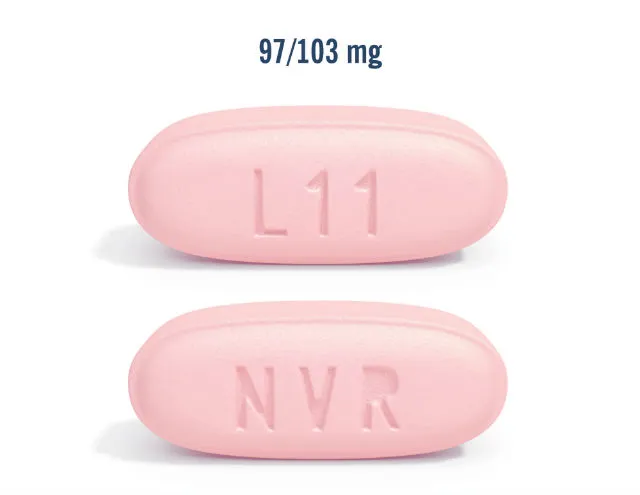
American health regulators have approved a new heart failure medication that performed so strongly in clinical testing that some medical experts believe it could replace existing treatments currently used for one of the country’s most widespread conditions.
The Food and Drug Administration has cleared Entresto, developed by pharmaceutical company Novartis and previously known as LCZ696, for use in patients suffering from heart failure — a condition in which the heart becomes too weak to pump sufficient blood to meet the body’s needs. Around 5.1 million people in the United States are currently affected by the condition.
The drug combines two active components: valsartan, an established angiotensin receptor blocker already familiar to cardiologists, and sacubitril, a newer neprilysin inhibitor compound. The combination was tested in a large-scale clinical trial which found it reduced mortality rates from cardiovascular disease and the rate of hospitalisation for heart failure by 20 percent compared to existing treatments.
The scale of that improvement has led some in the medical community to suggest Entresto could fundamentally change how heart failure is managed, potentially displacing drugs and procedures that have been standard practice for years.
As with other medications in its class, the drug does carry potential side effects. These include low blood pressure, reduced kidney function and elevated potassium levels — risks consistent with those associated with other heart failure treatments already on the market.
The FDA approval marks a significant step forward for patients and clinicians looking for more effective options in managing a condition that remains one of the leading causes of hospitalisation across the United States.
