


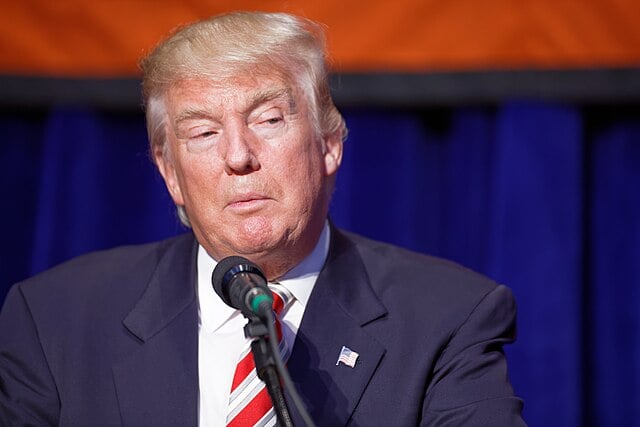
When Trump told CBS the Iran war was “very complete, pretty much,” the S&P 500 jumped 0.5 percent instantly — then gained another 0.5 percent by close, finishing up 0.8 percent, its best single-day performance in over a month. Oil fell back below $90 a barrel from nearly $120.
That single sequence is the clearest illustration in the source text of how closely Trump’s public statements track market movements.
What The Text Actually Documents
On oil prices:
- Brent crude rose as much as 65 percent from the start of the war
- It peaked near $120 a barrel
- It remains near $90 — still $30 above last month’s $60 level
- Economists cited in the text expect inflationary impacts on airline fares, restaurants and gas prices
On stocks:
- The S&P 500 has been essentially flat since January
- It was on track to close at a loss on Monday before Trump’s CBS comments reversed it
- The index has quivered between being up or down roughly one percentage point all year
On the tariff parallel the text draws:
- Trump backed away from maximum tariffs last April after stocks dropped and bond markets reacted
- The text presents Monday’s comments as following the same pattern
The Three Tensions The Text Identifies
1. Markets vs. households The text directly states that actions designed to calm or boost markets do not address healthcare, housing or cost-of-living pressures. Consumer sentiment was negative even during the S&P 500’s record-breaking run from 2023 to 2025.
2. Trump’s stated goals vs. actual economic conditions The text notes that most Americans disapprove of Trump’s economic handling. It also notes that analysts question whether recent growth stems from his policies or from AI investment and productivity gains already underway.
3. War statements vs. market reality The text flags a key difference from the tariff situation: tariffs can be reversed by presidential statement. A war cannot. Iran can keep fighting regardless of what Trump says publicly — and the text notes Iranian officials continued making defiant statements even as US stocks held relatively steady.
What The Text Says The Administration Has Tried
- A “pivot to affordability” — proposals on credit card rate caps, restricting corporate home purchases, tariff rebates — none have gained traction in Congress
- A voluntary “ratepayer protection pledge” with tech leaders on electricity prices — described by energy analysts in the text as mechanically doubtful
- An extension of first-term tax cuts — described by one economist in the text as “not new policy, just removing a headwind”
- A pledge in the State of the Union to give workers without retirement plans access to federal contributions of up to $1,000 a year — with no further details provided
- The Core Finding From The Source
- The text establishes one central, documented fact: Trump adjusted his public characterisation of the Iran war within hours, and markets moved measurably each time he did. Everything else in the article flows from that observed pattern and its economic consequences as described by the sources quoted within it.
