


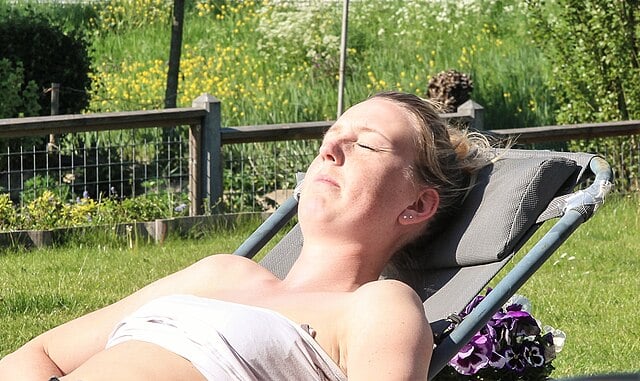
A new daily pill to treat menopausal hot flushes and night sweats is now available on the NHS in England, offering an alternative for the hundreds of thousands of women for whom hormone replacement therapy is not suitable.
The drug, called Veoza — also known by its clinical name fezolinetant — works by blocking the nerve pathways in the brain responsible for triggering hot flushes and night sweats. Unlike HRT, it contains no hormones, making it an option for women who cannot take hormonal treatments due to underlying health conditions.
The National Institute for Health and Care Excellence, known as NICE, has recommended the pill for women experiencing moderate to severe symptoms. It estimates that around 500,000 women in England could benefit from the treatment.
Hot flushes and night sweats are among the most disruptive symptoms of the menopause and the years leading up to it. Falling oestrogen levels affect the brain, skin, muscles and mood, with sleep disturbance, difficulty concentrating and impacts on relationships and work all commonly reported by women going through the transition.
HRT remains the first-line treatment recommended by NICE, given its established benefits and the range of forms it is available in — tablets, patches and gels. However, for women with conditions such as deep vein thrombosis, pulmonary embolism, or certain cases of diabetes or heart disease, HRT is often not an option. Until now, alternatives for these women have been limited.
Helen Knight, director of medicines evaluation at NICE, said the decision would provide relief to those for whom HRT was unsuitable, adding that the evidence showed fezolinetant could meaningfully reduce symptoms and had been found to be cost effective.
Veoza is not suitable for all women. NICE has said it cannot be recommended for those with breast cancer, other oestrogen-dependent cancers or liver disease, as these groups were excluded from clinical trials, meaning there is no available safety data for them. Women who have previously had breast cancer and completed treatment may be considered on a case by case basis.
The drug was originally approved in 2023 but has only now received an NHS recommendation for use in England. Wales and Northern Ireland typically follow NICE guidance, while Scotland operates its own approval body — the Scottish Medicines Consortium — which has not yet recommended Veoza. A resubmission from the manufacturer is currently being assessed, with a decision expected in the summer.
Dr Sue Mann, national clinical director for women’s health at NHS England, described the development as very welcome, saying the drug could help hundreds of thousands of women manage their symptoms and feel more in control of their health.
