


What the London mayor is calling for
Sadiq Khan has pressed the government to adopt a markedly tougher line against technology platforms that allow disinformation to flourish, warning that false narratives about crime and integration in the capital are proliferating at a speed regulators appear unable to match.
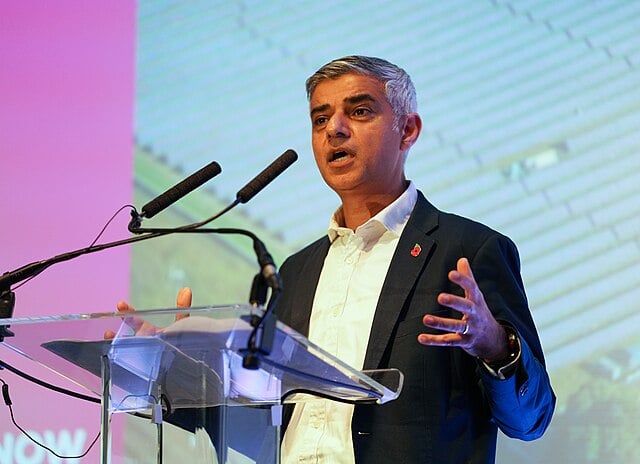
Delivering a speech at a disinformation summit in Cambridge on Thursday evening, the London mayor argued that the state would have to step in with fresh powers if social media firms continued to drag their feet and if Ofcom, the media regulator, was left without the tools to compel them. Khan has also written directly to the companies demanding they do more.
“We’re right to expect big tech to do better but we should not rely on it,” he told the audience. “If platforms fail to act, the state must have the tools to make them. That’s why I’ll continue lobbying the government publicly and privately to take a much tougher approach.” He went on to call for “a new central body with the agility and authority to protect our democracy from disinformation” and “more aggressive enforcement of the rules we already have”, warning that “unless regulators like Ofcom have the power to hit companies where it hurts, they’ll keep on getting away with it.” London Mayor Warns Labour Council Losses Risk Investment Cuts
Why City Hall believes the problem is accelerating
Underpinning Khan’s intervention is new research compiled by an analysis unit inside the Greater London Authority. Its findings suggest that online content portraying London as unusually dangerous has climbed by somewhere between 150 and 200 per cent over the past two years, while posts focused on the supposed effects of migration on the capital have jumped by 350 per cent.
The research points to a mixed cast of actors behind the trend. Some material originates in the United States, while other posts have been traced to interests linked to the Russian or Chinese states. Artificial intelligence tools operating out of countries such as Vietnam are also being used to generate falsehoods, at times by imitating legitimate local news outlets.
Khan, who has himself been a long-standing target of Islamophobic abuse online — particularly during his public clashes with Donald Trump — said the volume of hostile content had expanded into a broader caricature of London as, in his words, “a fallen city overtaken by Islamist immigrants where crime goes unpunished and basic decency has all but disappeared”.
The outrage economy, he argued, was “eating away at the basic bonds of trust that hold our societies together”. He added: “The same people attacking the capital have already started targeting other cities around the world. And in a few years’ time I think we’ll look back on London as the canary in the coalmine. But I hope we’ll also see it as the place where the fightback began.”
Where unchecked conspiracy theories can lead
Khan framed the issue as one with tangible real-world consequences, cautioning that disinformation left unchallenged could fuel violence and even domestic terrorism. He pointed to the case of Kevin Rees, a 63-year-old retiree who became drawn into online conspiracy theories after objecting to the expansion of London’s ultra-low emission zone. Rees was jailed in January after detonating a homemade bomb that destroyed an enforcement camera — an explosion police said had the potential to kill.
Pre-empting criticism that tighter rules would amount to a curb on free expression, the mayor insisted the debate could not be reduced to one about the right to post freely online. “To anyone who cynically seeks to delay, deflect or deny by turning this crisis into a debate about our unfettered freedom to post, I say this: tell that charity staff being threatened by strangers at their door after they were doxed online, or the parents struggling to reach their children as they’re dragged ever deeper into the darkest corners of the internet.”
He closed by invoking communities he said were already bearing the consequences. “Tell that to the Jewish and Muslim people who tell me they don’t feel safe walking to synagogues and mosques, or the staff in schools and hospitals facing an endless tirade of harassment and abuse.”
