


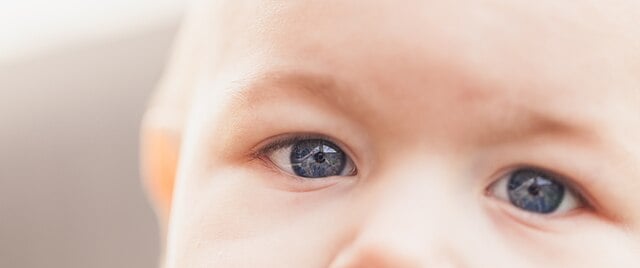
A person’s eye colour could one day help doctors assess their risk of developing alcohol dependency, according to new research that has found a statistically significant link between light-coloured eyes and alcoholism.
The study, carried out by scientists at the University of Vermont and published in the American Journal of Medical Genetics, followed 1,263 European Americans and found that those with light eyes — including blue, grey and green — were more likely to show signs of alcohol dependency than those with darker eyes. Among the light-eyed participants, those with blue eyes recorded the highest rates of dependency.
The finding is not simply coincidental. Researchers identified that the genes responsible for determining eye colour sit on the same chromosome as those associated with alcohol dependence. The study found a statistically significant interaction between the two sets of genes — meaning one appears to influence the behaviour of the other, though the precise mechanism behind that relationship remains unclear.
Lead researcher Dawei Li acknowledged the team does not yet fully understand what is driving the connection. The study’s authors were careful to stress that a correlation of this kind does not establish direct causation, and that alcoholism involves a complex combination of genetic, environmental and behavioural factors.
The Vermont findings are not the first to point in this direction. A separate study conducted in 2000 found that blue-eyed female participants reported consuming more alcohol in a given month than their dark-eyed counterparts.
The longer-term ambition, Li told ABC News, is to translate these findings into practical clinical tools — potentially allowing eye colour to be factored into early screening or diagnosis for alcohol dependency. Researchers cautioned, however, that significant further work is needed before any such application becomes realistic.
