


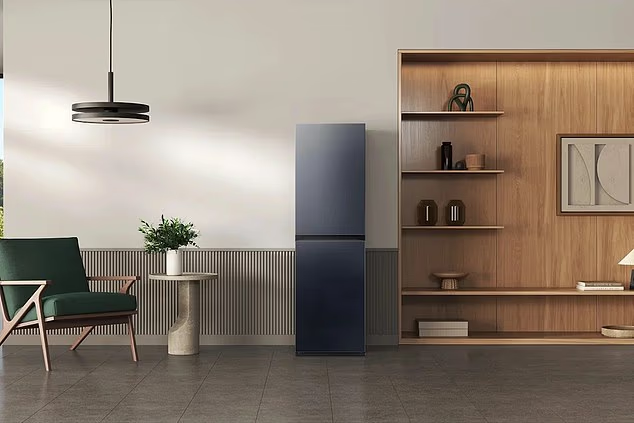
Steam wardrobes that refresh, dry and smooth clothes are moving from luxury homes in the US into the UK market, offering a high-tech alternative to the iron, tumble dryer and regular trips to the dry cleaner.
Designed to resemble tall, glossy refrigerators, the appliances can stand alone or be incorporated into fitted wardrobe space. Prices begin at about £550, while premium models cost well into four figures.
Among the brands bringing the technology to British consumers are LG, Haier and Samsung, with John Lewis stocking the £1,149 LG Styler S3BF Steam Clothing Care System.
The appliances are designed for clothes that need freshening rather than a full wash. Garments are hung inside the cabinet while steam and warm air help to reduce odours and creases, with some models also offering gentle drying programmes for delicate fabrics.
LG says its Styler range is intended for items such as suits, coats, dresses and knitwear that are not always suitable for frequent washing. The S3BF has room for three hanging garments and includes a gentle-dry function for fabrics that might be damaged by a conventional tumble dryer.
The company says selected programmes can reduce allergens and bacteria by up to 99.9 per cent. However, LG also makes clear that the appliance is designed to work alongside normal washing and professional cleaning, rather than replace either completely.
Haier’s Couture Care Collection offers a larger alternative, with space for up to five hanging items as well as shoes and folded clothing. The company’s UK model is currently listed at £1,699 and is marketed as a wardrobe that can refresh, sanitise, dry and smooth garments.
Some versions of the technology are aimed particularly at drying clothes that are slightly damp. They use lower temperatures and controlled air circulation to reduce the risk of shrinking or fading, making them a gentler option for delicate clothing than a traditional dryer.
Steam wardrobes promise an end to ironing
Supporters of steam closets say the main attraction is convenience. Jackets, trousers and other garments can be worn more than once before washing, while lace, satin and other sensitive materials can be dried after hand-washing.
One John Lewis customer said the LG Styler had “completely changed how I care for my clothes”, adding that it freshened jackets and trousers, removed odours and reduced visits to the dry cleaner.
But the machines have significant limitations. They occupy roughly the same amount of floor space as a fridge, yet typically hold only three to five garments at a time. Clothes are not stored permanently inside them, meaning items must be hung in the cabinet whenever they need treatment.
Results can also vary. A review of the LG appliance by Wirecutter, the New York Times’ product-testing service, found that damp shirts took about 90 minutes to dry and that some wrinkles remained despite the steam cycle.
Another owner reviewing the machine on the John Lewis website reported that it had developed a fault after two years of use, underlining the cost and durability questions surrounding a relatively new category of home appliance.
Home organisation expert Gemma Bray, known online as The Organised Mum, said the technology appeared futuristic but questioned whether it offered enough practical benefit to justify its price and the space required.
“There’s a temptation with things like this to over-optimise your life,” she said. “While it might be a brilliant idea in principle, once you weigh up the amount of space it takes up and what it costs to buy in the first place, you have to ask whether it’s actually better than just sticking to the old-fashioned way of doing things.”
She added that households with spare money and room to experiment might welcome the devices, while those on a tighter budget could be better served by an iron and conventional drying methods.
Manufacturers argue that demand is growing as shoppers spend more on quality clothing and look for ways to extend the life of expensive garments. Haier says consumers are increasingly interested in smarter clothing care, including technology that can identify items in a washing-machine drum and help prevent mistakes such as a red sock turning a white load pink.
For now, the steam wardrobe remains an expensive and space-hungry addition rather than a standard feature of British bedrooms. But with major appliance brands expanding their ranges, the appliance could become a more familiar sight for households seeking to spend less time washing, ironing and visiting the dry cleaner.
