


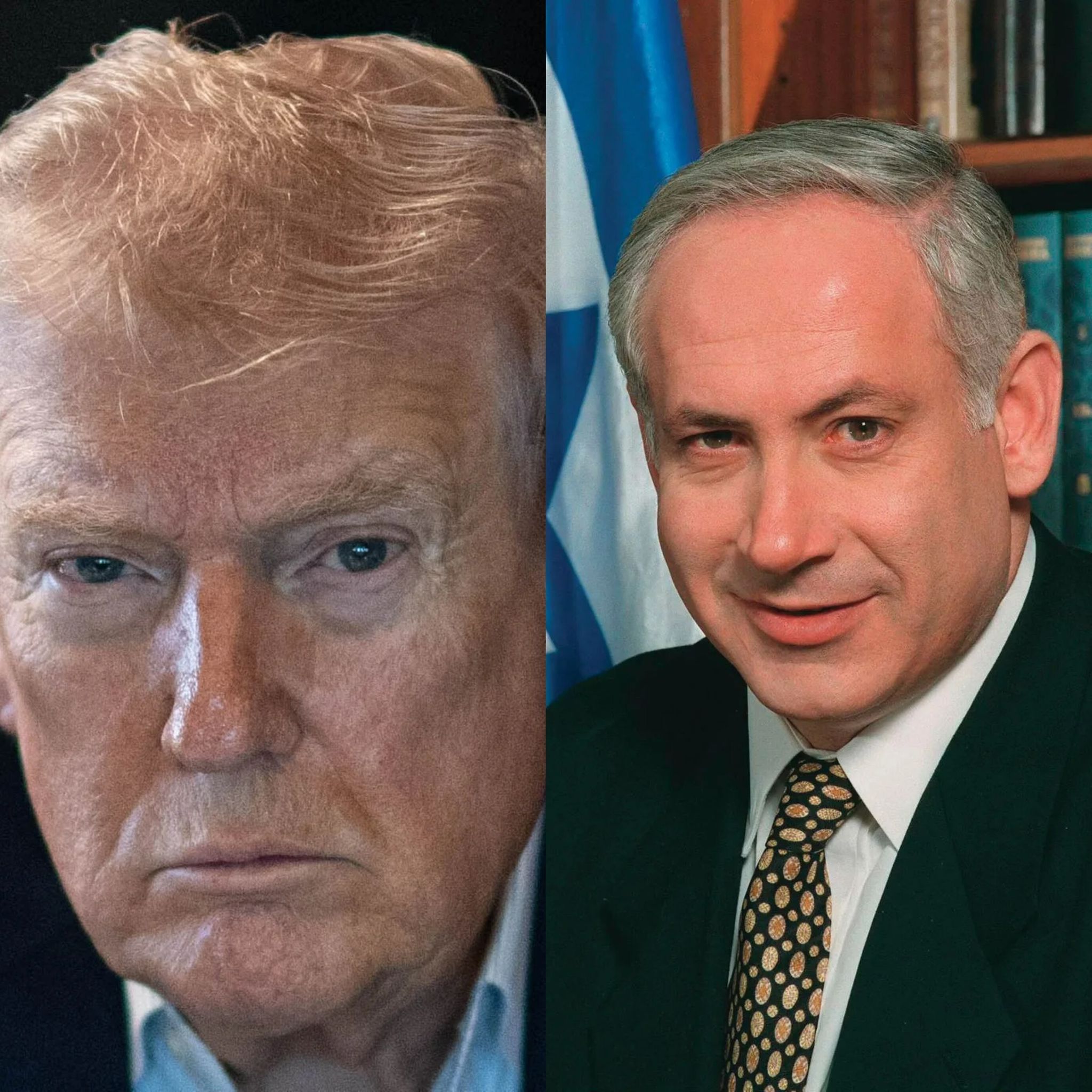
A growing rift between Washington and Jerusalem over the direction of the Iran conflict has come into sharp focus, as President Donald Trump advances ceasefire diplomacy at the same time as Israeli Prime Minister Benjamin Netanyahu pledges that military strikes will continue.
Trump has moved to delay action against Iranian energy infrastructure, pointing to what he described as “productive conversations” and suggesting that contact had been made with senior Iranian officials. Tehran publicly denied those claims. Netanyahu, meanwhile, told allies that strikes on Iran and Lebanon would press on, declaring there is “more to come.”
The divergence cuts to a fundamental disagreement over what victory in this conflict should look like. Israel has long pursued a strategy of periodic strikes aimed at keeping adversaries off balance — an approach analysts have likened to “mowing the grass.” The United States, more exposed to global energy markets and with wider international commitments, has shown a preference for securing an exit once core objectives appear within reach.
That difference has been sharpened by the economic dimension of the conflict. Threats to shipping through the Strait of Hormuz have continued to unsettle global energy markets, and the prospect of spiralling oil prices has weighed on the White House’s calculations. Israeli strikes on the South Pars gas field served as a flashpoint, prompting Trump to seek a direct assurance from Netanyahu that such action would not be repeated.
The episode is one of several that have tested the relationship between the two leaders. Trump has described Netanyahu as “not easy,” though he has also suggested that quality is part of what makes him effective. During a 12-day conflict in 2025, Trump publicly rebuked Israel following what he characterised as ceasefire violations, intervening directly with Netanyahu as a truce faltered before declaring it restored. The episode illustrated that Trump is prepared to apply both public and private pressure on Israel when he considers it necessary.
Alliance theorists use the term “entrapment” to describe what can happen when a larger power finds its choices constrained by a smaller partner’s decisions. According to that framework, once Washington committed firmly to standing behind Israel, it reduced Jerusalem’s concern about being left exposed — but also weakened any incentive Israel might have had to moderate its actions in line with American preferences.
That dynamic places Trump in a difficult position. His current approach — holding back certain strikes while presenting himself as a potential dealmaker — can be read as an effort to reassert control over how the conflict escalates. Yet the two countries share the same battlefield, and the consequences of Israeli actions have already reached beyond Israel’s borders into parts of the Gulf.
The question now being asked in Washington is whether the United States is directing events or being carried along by them. Netanyahu retains the ability to shape the immediate course of the campaign, but the United States controls its own level of military and financial engagement. If Trump concludes that diplomacy better serves American interests than a prolonged air campaign, he retains the leverage — through pressure or a shift in objectives — to force a change in direction.
With Trump positioning himself as a potential mediator and Israel showing no sign of drawing down, the coming weeks are likely to determine whether the alliance can reach a shared definition of how this conflict ends — or whether the two governments arrive at the endgame by separate routes.
Source: newsweek
