
Energy Secretary Ed Miliband has put fuel retailers on notice that the government will not allow companies to exploit rising oil prices for profit, as the Competition and Markets Authority is placed on high alert ahead of a crunch meeting with the industry on Friday.
Miliband and Chancellor Rachel Reeves are set to sit down with petrol retailers later today, with officials preparing to warn the sector that unjustifiable price rises will face scrutiny from the competition watchdog. The move comes after the Chancellor this week highlighted a stark variation in forecourt prices, with petrol ranging from £1.27 to £1.80 per litre at different locations across the country.
The pressure on household budgets has intensified since the Iran war triggered a sharp rise in global oil prices. Heating oil users — predominantly rural households not connected to the gas network — have told the BBC their bills have more than doubled in recent weeks. Two thirds of homes in Northern Ireland rely on heating oil, leaving a significant portion of the population without the protection of Ofgem’s price cap, which covers gas and electricity but does not extend to heating oil.
The Petrol Retailers Association said it would push back against any suggestions of profiteering at Friday’s meeting, with executive director Gordon Balmer stating the industry hoped to engage constructively to ensure its workings were properly understood. Balmer has previously acknowledged that surging wholesale prices would inevitably feed through to pump prices.
On longer-term energy policy, Miliband rejected calls from some energy companies and industry figures to respond to the oil price shock by opening up new North Sea exploration licences. He argued that new licences would not reduce bills and that the correct path — both for energy security and climate targets — was to continue producing from existing fields while investing in homegrown clean power.
Miliband is also launching a fast-track process for approving new nuclear power stations, aimed at cutting through the delays, cost overruns and regulatory obstacles that have held back previous projects.
The government has not ruled out direct financial support for households or an extension of the freeze on fuel duty if the conflict and its economic consequences continue. Opposition parties have accused Labour of moving too slowly in the face of rising costs.
Energy Minister Michael Shanks acknowledged the public expected the government to treat the situation with urgency. The Straits of Hormuz, a critical global energy corridor, remains effectively blocked, keeping upward pressure on oil prices with no immediate resolution in sight.
Energy Firms Warned Against Oil Price Profiteering As Petrol And Heating Bills Soar Across Britain
 By Henry
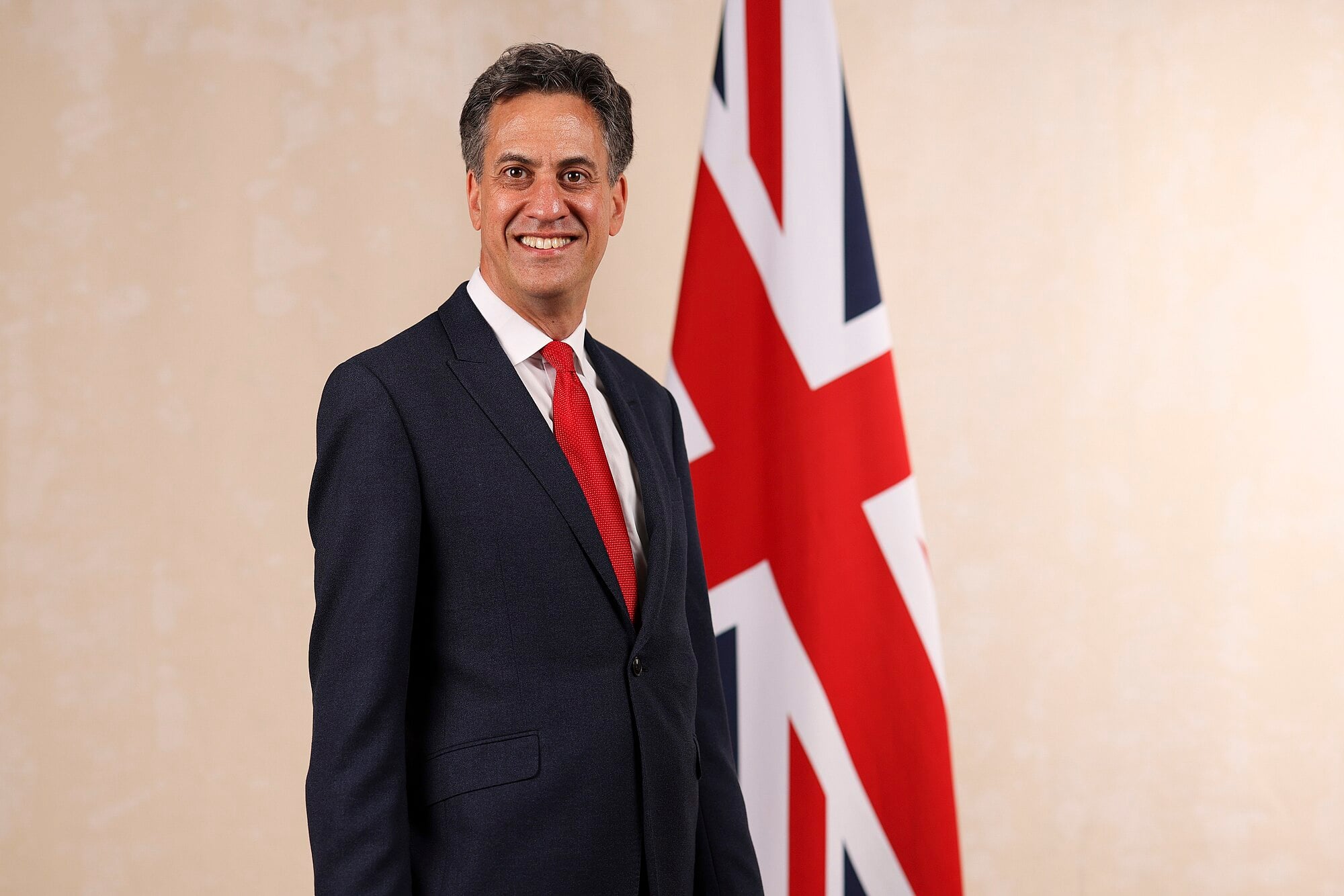
05/07/2024. London, United Kingdom. Secretary of State for Energy Security and Net Zero, Ed Miliband poses for a photograph following his appointment to Cabinet by Prime Minister Sir Keir Starmer in 10 Downing Street. Picture by Lauren Hurley / No 10 Downing Street

Henry
Henry Caldwell is a publisher and news editor dedicated to delivering accurate, timely, and balanced reporting across a wide range of topics. He covers breaking news, world affairs, politics, business, technology, science, health, entertainment, sports, and lifestyle. Committed to responsible journalism and high editorial standards, Henry provides readers with reliable information and clear insights into the stories shaping the world. Through Dispatch Times, he strives to keep audiences informed with comprehensive and trustworthy news coverage
Add A Comment
