


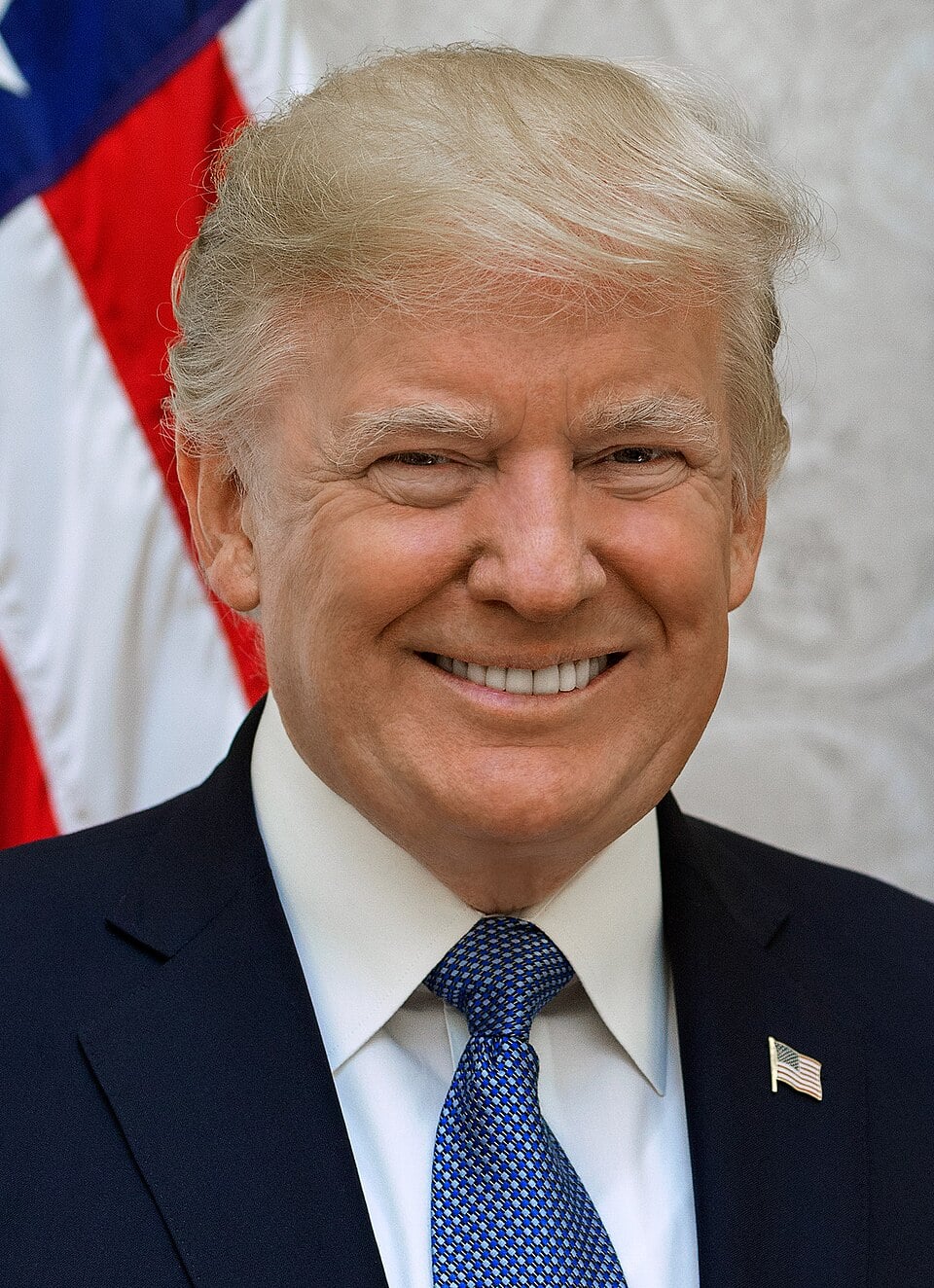
President Donald Trump has said he is “not happy” with Iran as the White House faces a looming legal deadline to obtain congressional approval for the US-Israeli war, with administration officials insisting the 60-day clock has been paused by the current ceasefire.
Friday marks 60 days since Mr Trump formally notified Congress on 2 March of the strikes against Iran. Under US law, a president must “terminate any use of United States Armed Forces” within that window unless lawmakers grant explicit approval. A senior administration official told reporters that hostilities had “terminated”, pointing to a ceasefire that has been in effect since early April.
Speaking to reporters on Friday afternoon, Mr Trump acknowledged that fresh contact had been made with Tehran but offered no indication that a breakthrough was imminent. “We just had a conversation with Iran. Let’s see what happens. But, I would say that I am not happy,” he said. The President suggested progress had been hampered by the loss of senior Iranian military figures during the war, leaving the country’s leadership “very confused”.
Mr Trump confirmed he had been briefed by US Central Command on Thursday with a range of options, from continuing to “blast the hell out of them and finish them forever” to pursuing a negotiated settlement. Iran war tips Europe into new energy crisis as EU readies emergency plan
A potential opening emerged through Iranian state media. According to news agency IRNA, Tehran has sent a fresh proposal for negotiations to Pakistani intermediaries, although the agency did not disclose its contents and it is unclear whether the offer has reached Washington. Oil prices, which have surged since Iran closed the Strait of Hormuz, fell on news of the proposal. The shipping channel remains effectively shut, with knock-on effects rippling through the global economy.
The legal dispute over the War Powers Resolution has dominated Capitol Hill this week. Defence Secretary Pete Hegseth defended the administration’s reading of the law during a Senate hearing on Thursday, telling members: “We are in a ceasefire right now, which our understanding means the 60-day clock pauses or stops in a ceasefire.”
Democratic Senator Tim Kaine challenged that interpretation directly. “I do not believe the statute would support that,” he said. “I think the 60 days runs maybe tomorrow, and it’s going to pose a really important legal question for the administration there.”
Passed in 1973 to curb President Richard Nixon’s prosecution of the Vietnam War, the War Powers Resolution requires a president to end the use of armed forces within 60 calendar days of their introduction into hostilities, unless Congress declares war or grants an extension of up to 30 days for “prompt removal” of troops. A senior Trump administration official told reporters that, “for War Powers Resolution purposes, the hostilities that began on Saturday, February 28 have terminated”, emphasising that the initial two-week ceasefire had been extended and that there had been no exchange of fire between US and Iranian forces since 7 April.
That argument has met sharp pushback from legal scholars. Professor Heather Brandon-Smith of Georgetown University Law in Washington DC told the BBC: “The secretary’s claim about hostilities coming to an end does not match up to the evidence. Hostilities have not ceased. The US has instituted a blockade of Iranian ports. This is an act of war. This is hostility.” She added that although the resolution does not define “hostilities”, the term was deliberately drafted to cover a wide spectrum of conduct, and argued that even if a ceasefire is legally in force, it would not freeze the statutory clock. “A ceasefire is not a permanent end to the conflict,” she said. “To my mind, a permanent end to the conflict is what would actually sort of close up the 60 days.”
Elisa Ewers, a national security and foreign policy expert at the Council on Foreign Relations, took a similar view. “Even though there is a temporary ceasefire, US personnel are still in harm’s way,” she said. “Implementing the U.S. blockade is not without risk, and itself is hostilities. Given the fragility of the ceasefire and President Trump’s own messaging about resuming strikes on Iran, there is a risk that they may need to use force, and they have been and remain in hostilities.” Ms Ewers added that withdrawing assets and later reintroducing them for fresh operations could “theoretically” reset the clock.
Mr Trump dismissed the constraints of the legislation when pressed on the White House lawn on Friday. “Every other president considered it totally unconstitutional, and we agree with it,” he said, claiming the resolution had “never been adhered to” and that “many presidents” had exceeded the 60-day mark.
The BBC’s US partner CBS News reported that administration officials were in active discussions with members of Congress about securing formal authorisation for the war. Democratic-led efforts to restrain the President in both chambers have so far failed, although party figures have pledged to keep pressing the issue to put lawmakers’ views on the record. Most Republicans have lined up against those attempts, though some have hinted they could reconsider their positions once the 60-day period expires.
The wider conflict was triggered when the US and Israel launched a sweeping series of strikes on Iran, killing its supreme leader. Tehran retaliated with attacks on Israel and US-allied states in the Gulf. Washington and Jerusalem have led Western opposition to Iran’s nuclear programme, accusing the country of seeking to build a bomb — a charge Tehran firmly denies.
The financial scale of the operation was laid bare on Wednesday during a separate House hearing, where Mr Hegseth again clashed with Democrats. One of his senior officials disclosed that operations in Iran had so far cost the United States around $25 billion (£18.5 billion). Several Republicans on the committee voiced their support for the Pentagon’s posture, with Florida congressman Carlos Gimenez framing Tehran as an existential threat. “When someone tells me for 47 years that they want to kill us, I think I am going to take them at their word,” he said. “I support our efforts to make sure that Iran never has a nuclear weapon.”
