


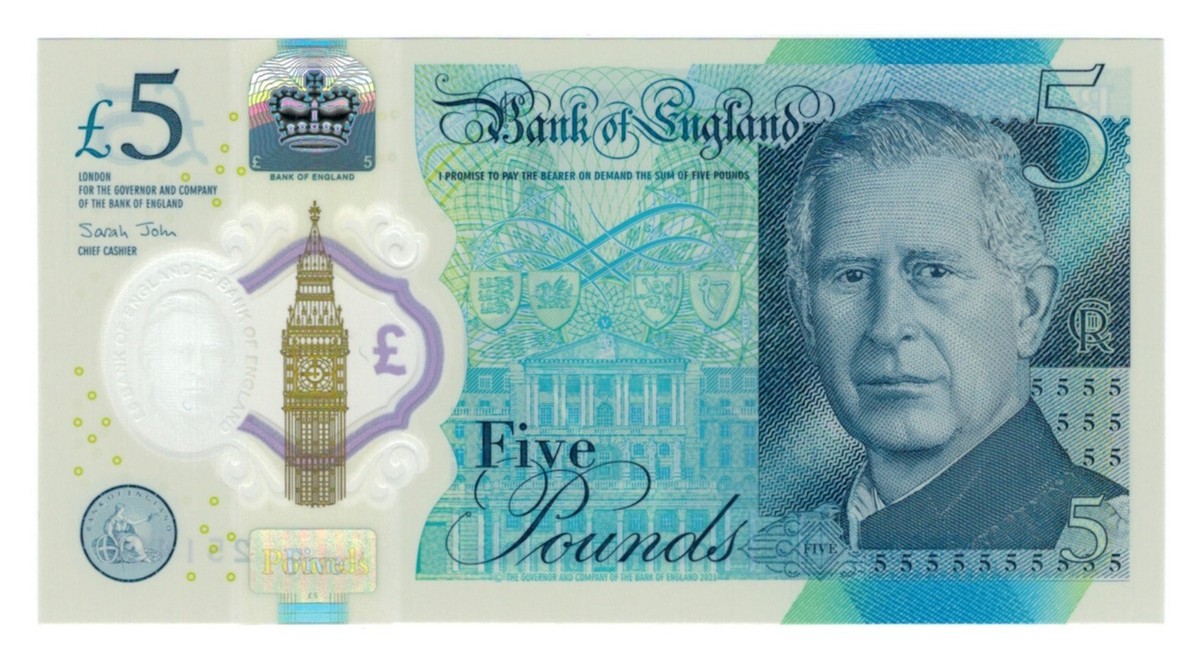
Sterling has retraced the ground it lost at the outbreak of the Iran conflict, buoyed on Tuesday by cautious optimism that a diplomatic settlement may be within reach and by a softer tone in the US dollar. Yet currency strategists warn that the reprieve owes more to distraction than to any genuine improvement in Britain’s economic position.
What moved the market
The pound climbed 0.33 per cent against the dollar to $1.3548, a level it last touched shortly before hostilities erupted in late February. Against the euro it was broadly flat at 87 pence. The dollar itself, which had drawn haven flows throughout the war, weakened as traders positioned for a possible de-escalation.
Sentiment was lifted by reports that American and Iranian negotiators could reconvene in Islamabad later this week. Five sources told Reuters that another round of talks is being prepared, following the highest-level exchanges between Washington and Tehran in decades, which concluded recently without agreement. Set against those tentative diplomatic signals, however, is a fresh source of friction: the United States has begun enforcing a blockade of Iranian ports, a move that has drawn condemnation from Tehran and injected new uncertainty into traffic through the Strait of Hormuz.
Why the rally may prove fragile
Britain’s heavy reliance on imported energy has weighed on the currency for much of the conflict, as oil and gas prices surged. The recent bounce, analysts suggest, reflects a temporary shift in focus rather than any repair of the underlying picture.
“In our view, this environment is actually quite constructive for the pound, not because anything’s actually improved. We’re just seeing traders distracted away from some really quite nasty fundamentals, political fundamentals in the UK,” said Nick Rees, head of macro research at Monex Europe. He expects sterling to underperform over the coming months as investors refocus on domestic concerns.
Chief among those concerns are the local elections at the beginning of May. Rees argued that neither markets nor much of the political class had fully absorbed how damaging the contests could prove for Labour, and suggested the aftermath might revive speculation over a possible challenge to Sir Keir Starmer’s leadership.
The Bank of England in an awkward spot
Attention on Tuesday was also turning to a series of scheduled remarks from Bank of England officials, including Governor Andrew Bailey. The war-driven jump in energy costs has forced a sharp rethink in rates markets, where the conversation has shifted from prospective cuts towards the possibility of further tightening. Money markets are now pricing in at least one quarter-point increase during 2026, with a reasonable chance of a second, even though most economists continue to expect the Bank to hold its stance.
Bailey pushed back against that repricing earlier this month, suggesting investors had moved too far too fast. His comments on Tuesday will be scrutinised for any indication of how the Monetary Policy Committee is weighing the inflationary impulse from energy against a still-uncertain growth outlook.
