


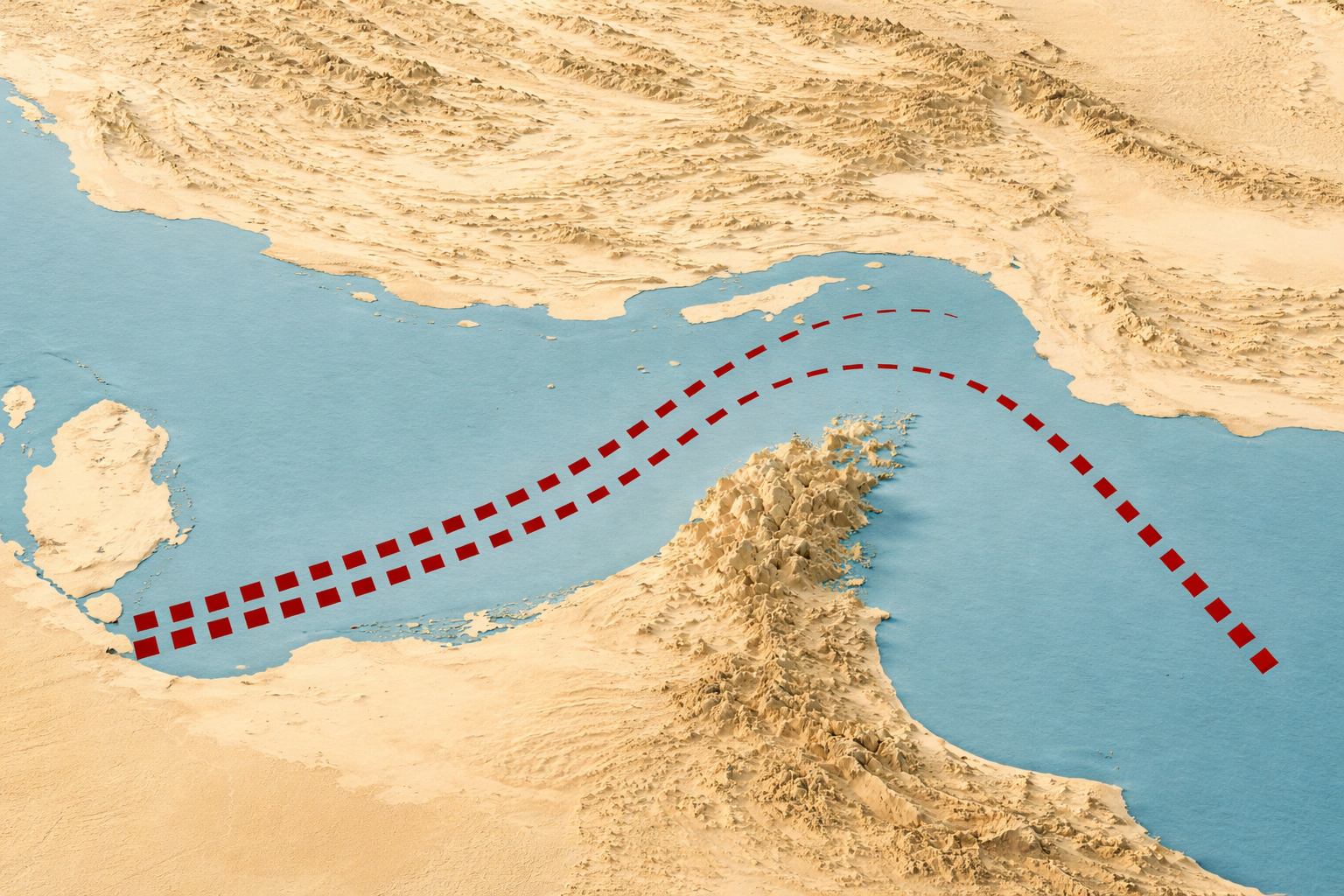
Iran reversed course on the Strait of Hormuz on Saturday, warning mariners that the waterway was shut and firing on at least two vessels attempting to pass through, in a dramatic escalation that has thrown the fragile ceasefire with the United States into fresh doubt.
The closure came barely 24 hours after Tehran’s foreign minister had declared the strait open to commercial shipping, and prompted a sharp response from President Trump, who said Iran could not “blackmail” the United States by sealing the world’s most critical energy chokepoint.
What happened in the strait
Maritime security and shipping sources said vessels in the waterway received radio messages from Iran’s navy stating that no ships were permitted to transit. At least two came under gunfire as they attempted to cross, according to the same sources.
The Hormuz gamble: how a diplomatic game of bluff is shaking the world economy
The shooting prompted a diplomatic incident with India. An Indian government source said Tehran’s ambassador had been summoned after an Indian-flagged vessel carrying crude oil was attacked while trying to navigate the strait.
Earlier on Saturday, there had been signs that traffic might finally be resuming. Maritime tracking services recorded a convoy of eight tankers passing through the narrow passage — the first significant movement of commercial shipping since the US-Israeli air campaign against Iran began seven weeks ago. That brief window of normality closed as quickly as it had opened.
Why Tehran says it acted
Iran said the decision was a direct response to the continuing US naval blockade of its ports, which it described as a violation of the ceasefire agreed on 7 April. Supreme Leader Mojtaba Khamenei struck a combative tone, saying Iran’s navy stood ready to inflict “new bitter defeats” on its enemies.
The move marks a sharp hardening of Tehran’s position after a day of internal contradictions on Friday, when the foreign minister’s declaration that the strait was open was swiftly undermined by the parliamentary speaker’s warning that it would not remain so while the blockade continued.
A ceasefire on the brink
In Washington, Trump sought to project calm, telling reporters the US was having “very good conversations” with Iran. But his warning against blackmail, combined with his earlier suggestion that the ceasefire could be terminated unless a long-term deal was struck by Wednesday, pointed to a negotiation in which neither side appeared willing to move first.
The renewed closure raises the stakes sharply for global energy markets, which had rallied on Friday’s opening announcement, and for the broader diplomatic effort to bring the conflict to an end. With the two-week ceasefire due to expire on Tuesday and ships now being fired upon in the strait, the window for a negotiated resolution is narrowing fast.
