


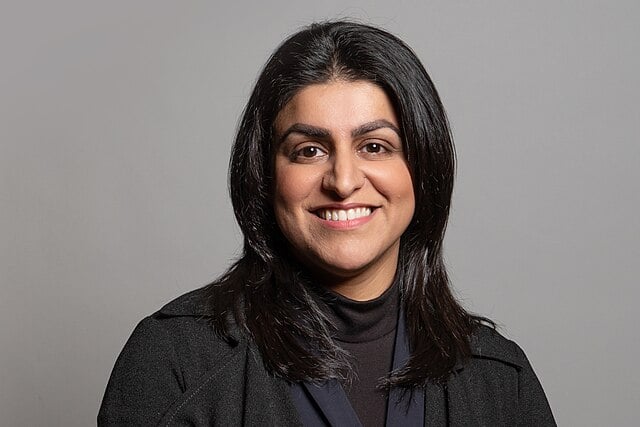
The Home Secretary has pledged sweeping action against lawyers and immigration advisers alleged to be coaching migrants into posing as gay in order to remain in Britain, after an undercover BBC investigation exposed a trade in fabricated asylum claims.
Shabana Mahmood said anyone caught manipulating protections designed for those fleeing persecution on grounds of sexuality or gender was “beyond contempt”, and warned that advisers found to be facilitating fraudulent applications would “face the full force of the law”. Her intervention has reignited a cross-party row over the integrity of the asylum route and how readily it can be gamed.
What the BBC investigation uncovered
Reporters found firms and advisers charging migrants thousands of pounds for bespoke cover stories, complete with instructions on how to source supporting letters, staged photographs and medical documentation to buttress a claim of being gay. Applicants — typically nationals of Pakistan or Bangladesh, where same-sex relations remain criminalised — were then steered through the asylum process on the basis that return home would put their lives at risk.
Crucially, those targeted by the schemes tend not to be recent arrivals via small boats or other irregular routes. They are, in the main, people whose student, work or tourist visas are about to lapse and who are seeking a legal foothold to stay. This cohort now accounts for 35 per cent of asylum applications, with overall claims passing 100,000 in 2025.
The Home Office says it had already begun examining the trend before the BBC’s disclosures, having observed a rise in suspect applications, and is now investigating the specific individuals named.
Why sexuality-based claims have come under fresh scrutiny
Home Office figures point to an unusual concentration of LGBT-related claims from a single country. In 2023, the most recent year for which data has been published, Pakistani nationals lodged 42 per cent of all asylum applications involving a sexuality or gender element — a pattern repeated in each of the previous five years. Yet Pakistanis accounted for only around 6 per cent of overall asylum claims that year, ranking fourth by nationality. Roughly two-thirds of claims based on sexual orientation were accepted at the initial decision stage.
Labour backbencher Jo White, who sits on the home affairs select committee, has urged ministers to suspend student visas for Pakistani nationals, citing the precedent set last month when issuance was halted for applicants from Afghanistan, Cameroon, Myanmar and Sudan over what the department described as widespread abuse.
The Solicitors Regulation Authority said it was pursuing the firms named in the reporting as a matter of urgency. Jonathan Peddie, the regulator’s executive director for investigations, said it would “take action” against any regulated solicitor found to have breached their professional duties. The Immigration Advice Authority, which oversees non-solicitor advisers, said it was weighing the evidence and would move against anyone operating unlawfully.
A political fight over a broken system
The findings have handed opposition parties fresh ammunition. Shadow Home Secretary Chris Philp said the reporting laid bare “the scam at the heart of many asylum claims” and called for the named advisers to be prosecuted for immigration fraud, arguing the system “must be totally overhauled” so that only those facing genuine persecution are protected.
Reform UK’s home affairs spokesman, Zia Yusuf, described the revelations as “an outrageous scandal” and accused “politically motivated lawyers” of exploiting loopholes he blamed on the previous Conservative government. The Liberal Democrats’ Will Forster branded the findings “abhorrent” and pressed ministers to establish the scale of the problem, while Green Party leader Zack Polanski attacked “unscrupulous law firms” and argued that inconsistent government policy had created “perverse incentives” for such operators to emerge.
The cost to genuine refugees
Campaigners who work with LGBT asylum seekers say the most immediate victims of the abuses are those with legitimate claims. Aderonke Apata, founder of the African Rainbow Family charity, who was herself granted asylum after facing the prospect of the death penalty in Nigeria, said she was “appalled” and warned the fraud would make it harder for real applicants to succeed.
Peter Tatchell, whose foundation supports LGBT asylum applicants, told BBC Radio 4’s World at One that while the overwhelming majority of claims were authentic and subjected to rigorous assessment, his organisation had been “swamped” by requests from Pakistani applicants seeking letters of support. Tom Guy of National Student Pride described people arriving at events only to take photographs before leaving.
Imran Hussain of the Refugee Council called it “deplorable that unscrupulous advisers are exploiting desperate and vulnerable people for profit”, adding that frontline staff regularly encountered LGBTQ+ refugees from countries including Uganda and Pakistan who had endured imprisonment and violence. Such abuses, he said, “must not be used to undermine the credibility of people with genuine need for asylum”.
For Mahmood, the challenge now is to translate tough rhetoric into enforcement. “Try to defraud the British people to enter or remain in the UK,” she said, “and your asylum claim will be refused, your support cut off, and you will find yourself on a one-way flight out of Britain.”
