


Trump Orders Naval Blockade of Iran as Diplomatic Push Falters
A weekend of intensive shuttle diplomacy in Islamabad ended without a breakthrough on Saturday, prompting President Donald Trump to announce the following morning that the United States would impose a naval blockade on Iran — a sharp escalation that arrived in a sequence of posts on his Truth Social platform.
The decision came after Vice-President JD Vance led a 20-hour negotiating effort aimed at ending a war that is now entering its second month. Talks broke down without an agreement, and within hours the President had set out a tougher line.
What the President Announced
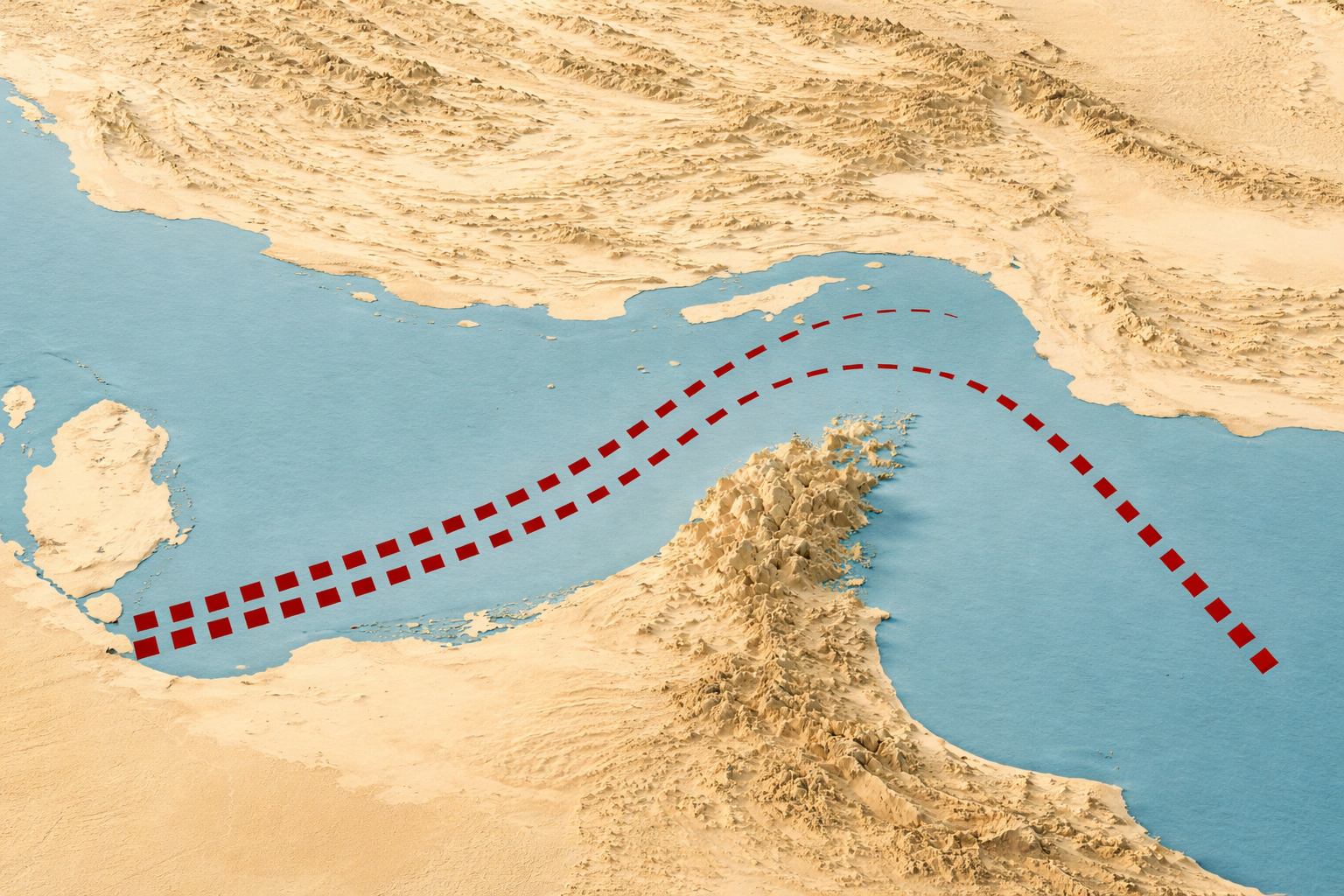
Writing on Sunday morning, Trump declared that “no one who pays an illegal toll will have safe passage on the high seas,” signalling that vessels paying transit fees to Tehran would be treated as legitimate targets of the blockade. He said American forces would press ahead with mine-clearing operations in the Strait of Hormuz to keep the waterway open for allied shipping, and described the US military as “locked and loaded” should he choose to resume strikes at what he called an “appropriate moment”.
The President insisted progress had been made during the Islamabad talks but said Iran had refused to abandon its nuclear programme — Washington’s central demand. A US official familiar with the negotiations painted a broader picture of disagreement, pointing to unresolved disputes over control of the Strait of Hormuz and Tehran’s continued backing of regional allies including the Houthis in Yemen and Hezbollah in Lebanon.
In a Fox News interview later the same day, Trump predicted that Iran would eventually concede “everything” the US was seeking. He acknowledged that oil prices could remain elevated, or climb further, but expressed confidence that the American economy would weather the strain.
Why the Blockade Carries Significant Risks
The shift to a maritime blockade introduces a series of operational and diplomatic uncertainties that the administration has yet to address publicly. American vessels engaged in mine-clearing work could become more exposed to Iranian retaliation. It is also unclear how Washington intends to verify which ships have paid Tehran for passage, or whether US forces would be willing to use force against foreign-flagged tankers that defy the cordon.
The reaction of major buyers of Iranian crude, China foremost among them, remains an open question. So too does the impact on global energy markets, given that the policy is explicitly designed to strangle Iran’s main source of revenue.
Senator Mark Warner of Virginia, the senior Democrat on the Senate Intelligence Committee, expressed scepticism on CNN. “I don’t understand how blockading the strait is going to somehow push the Iranians into opening it,” he said.
Republican congressman Mike Turner of Ohio, until recently chairman of the House Intelligence Committee, defended the move on CBS’s Face the Nation as a way of forcing the issue. “The president, by saying we’re not just going to let them decide who gets through, is certainly calling all of our allies and everyone to the table,” he said. “This needs to be addressed.”
A Domestic Test of Patience
For all the bravado of recent weeks, the political ground beneath the President has been shifting. A new CBS News poll found that 59 per cent of Americans believe the war is going somewhat or very badly. Voters across party lines say they want Washington to keep the Strait of Hormuz open, dismantle Iran’s nuclear capability and improve conditions for ordinary Iranians — yet majorities also believe none of those objectives has been achieved.
The discontent has begun to reach into Trump’s own base, where some supporters who took his promises to avoid Middle Eastern entanglements at face value are growing restive. With midterm elections in November, the calculation is no longer purely military.
Almost a week on from the ceasefire that briefly raised hopes of de-escalation, the strategic dilemma confronting the White House looks much as it did before. The President can intensify strikes, risking deeper damage to Iran’s civilian infrastructure and further turbulence in the global economy, or step back from a conflict the public has never embraced.
A Conflict Without a Final Bell
While Vance was attempting to close a deal in Pakistan on Saturday night, Trump was in Miami at a UFC event, watching cage fights alongside Secretary of State Marco Rubio and other advisers. Reporters travelling with the President described animated conversations between bouts, conducted in plain view of the crowd.
Mixed martial arts contests, however brutal, are bound by rules and end with a declared winner. The war with Iran offers no such resolution. With the two-week ceasefire fraying, the conflict has settled into a contest of endurance — between Tehran’s capacity to absorb sustained American and Israeli pressure, and the President’s willingness to bear the economic and political costs of continuing the fight.
