


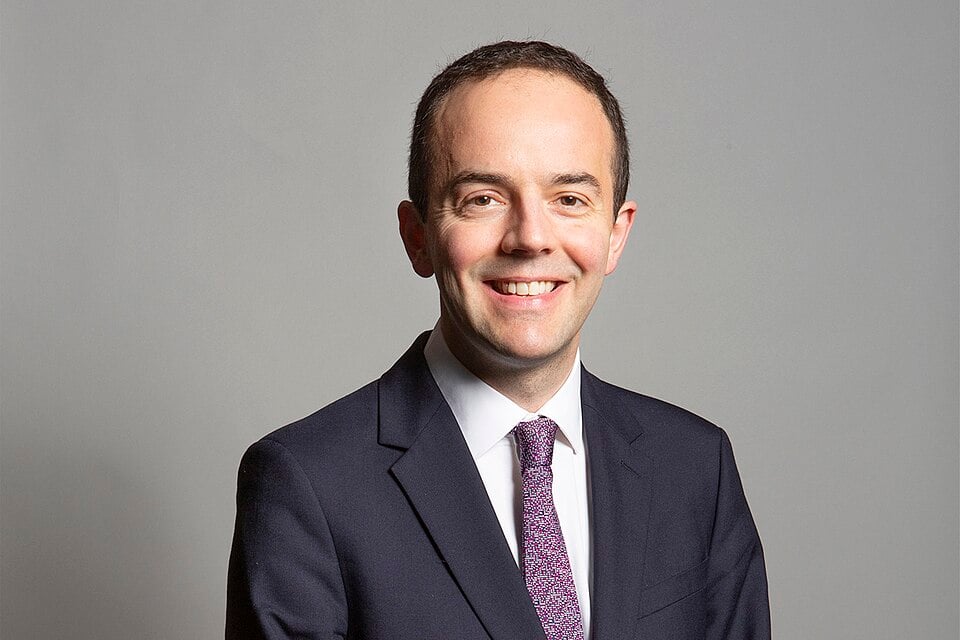
The health secretary, James Murray, who took on the role in May, has defended government plans to use artificial intelligence to help direct NHS patients to the right care, after concerns were raised that the technology could put vulnerable people at risk.
Speaking to the BBC, Murray said the aim was to “modernise” the NHS so that patients no longer needed to join the 8am rush of phone calls to their GP surgery. Under the system, built into the NHS App, patients answer a series of questions about their symptoms, with the tool adapting each question to their previous answers before recommending whether they see a GP, visit a pharmacy, attend A&E or manage their condition at home. Murray stressed the service was an alternative to, not a replacement for, existing routes into care. “It’s you who decides whether you call your doctor,” he said.
A trial at Wealden Ridge Medical Partnership, a rural practice serving 23,000 patients across four sites in Sussex, cut the number of people queuing on the phone for an appointment by 29 per cent while maintaining patient satisfaction, according to NHS England. More than 200,000 patients are expected to use the tool over the next year, with NHS England aiming to make it available to all 42 million NHS App users by April 2028.
During the trial, every recommendation made by the AI is checked by a clinician, who can call patients back and override its advice if a GP appointment or more urgent care is judged necessary. The government has said that safeguard could eventually be removed if the technology is shown to work safely over the longer term.
The rollout forms part of a £10bn government investment in NHS technology and data systems, which also includes AI tools that take notes during consultations on behalf of doctors and nurses. Murray has said this saves clinicians around 47 minutes a day, time he believes could translate into an extra 3.4 million consultations a year across the health service.
The plans have drawn criticism from the Conservatives and from patient groups. Shadow health secretary Stuart Andrew said: “New technology must be introduced with a fully funded plan that delivers value for taxpayers,” adding that Labour’s first year in office had seen a million fewer appointments delivered and that modernisation could not substitute for wider reform. Dennis Reed, director of the over-60s campaign group Silver Voices, warned that patients who were confused or in pain risked describing the wrong symptoms to the tool, adding that “we are talking here about a matter of life and death” if the AI’s assessment proved wrong.
Independent health policy experts gave a more mixed assessment. Tim Horton of the Health Foundation welcomed the investment but said it needed to be “part of a broader blueprint for reshaping how care is delivered,” warning that without a wider strategy the NHS risked adopting AI piecemeal rather than at scale.
Dr Ragu Rajan of Wealden Ridge Medical Partnership, which ran the pilot, said the technology had supported rather than replaced clinical decision-making. “It hasn’t replaced our judgement – it’s given us back the time to use it,” he said.
