


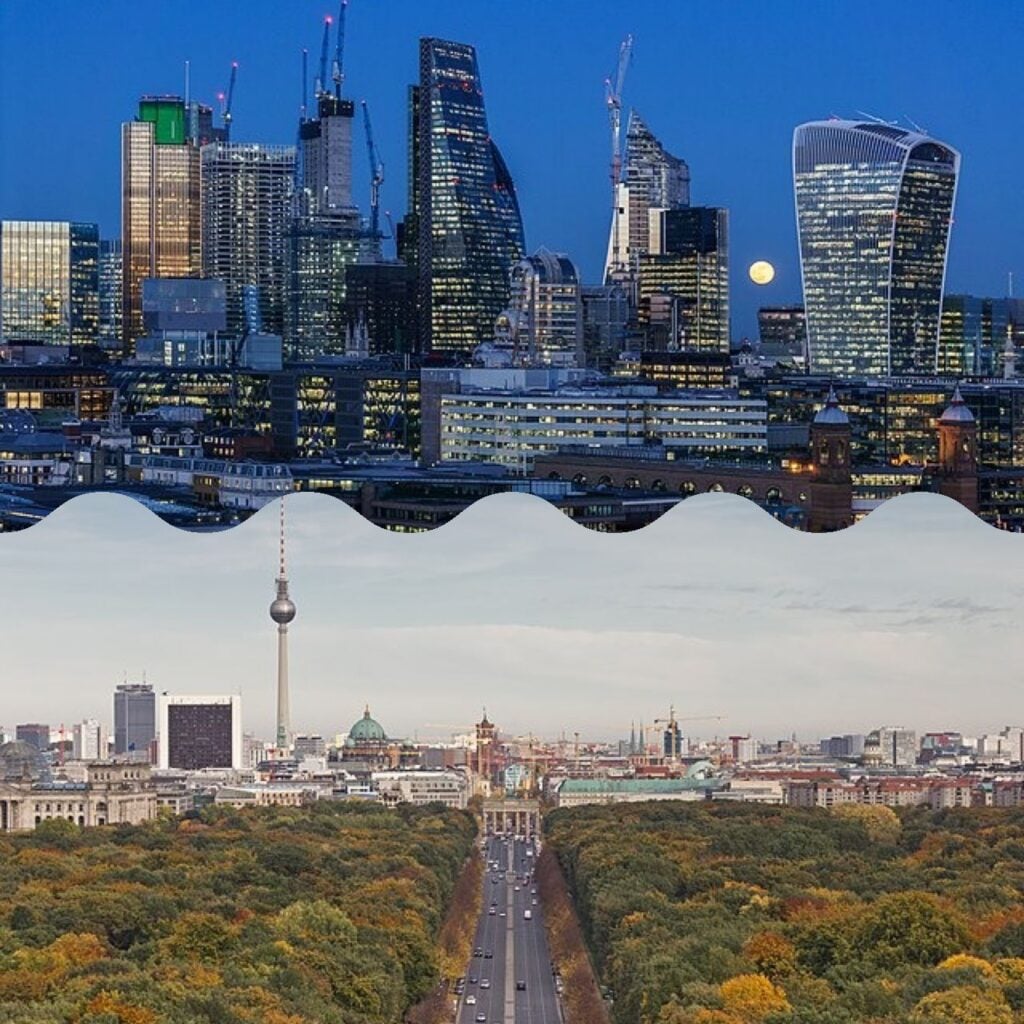
The latest round of Transport for London fare rises has reignited a familiar question for anyone who relies on the capital’s trains: why does getting to work cost so much more in London than in comparable European cities? With single Tube fares climbing by as much as 6 per cent on 1 March 2026, the gulf between what Londoners and Berliners pay has rarely looked starker — or harder to justify on grounds of wage parity.
What changed on the network in March
TfL’s revision averaged 3.2 per cent across the network, but the headline figure conceals an uneven picture. Single Tube and urban rail journeys absorbed the steepest rise, lifting some peak pay-as-you-go fares in central zones to £3.40 or more. National rail pricing policy drove much of that increase.
Not everything moved. Bus and tram fares were left alone, Travelcard season tickets were held, and the daily cap for Zones 1–6 was frozen at roughly £16.30. For regular commuters, the freeze on Travelcards softens the immediate blow — though monthly outgoings remain substantial. For those who travel less predictably, the higher walk-up single fare bites hardest, and lands on top of more than a decade of accumulated rises.
Why a Berliner pays a fraction of what a Londoner does
The contrast with Germany is most visible in the monthly pass. The Deutschlandticket gives Berlin residents unlimited travel on local and regional transport — anywhere in the country — for between €29 and €49 a month. A Zones 1–2 Travelcard in London starts at over £160 and rises sharply for those commuting in from outer zones or on mainline services, where £400 to £500 a month is not unusual.
Wages do not close that gap. Average full-time net monthly pay sits at roughly £2,500 to £3,000 in London and €2,200 to €2,600 in Berlin — broadly comparable. Yet a central London commuter typically spends 5 to 7 per cent of take-home pay on transport, while a Berliner on the Deutschlandticket commits only around 1.1 to 2.2 per cent. Once London’s higher housing, energy and childcare costs are factored in, the squeeze on disposable income grows further.
Single fares tell a similar story, if less dramatically: a peak Tube journey in central London is around £3.40, against €3.20 for an AB-zone trip in Berlin, while Berlin’s day ticket at €9.90 undercuts London’s £16.30 cap by some margin.
The structural choices behind Britain’s pricier railways
The cost gap is not accidental. It reflects a different philosophy about who should pay for public transport. The UK’s rail and Underground networks lean heavily on fare revenue to fund operations, so when wages, energy or maintenance costs rise, ticket prices tend to follow. Germany treats affordability as a policy objective in its own right, with federal and state governments shouldering a larger share of the bill. The Deutschlandticket was designed expressly to drive down the cost of travel, with the public purse absorbing the shortfall.
Pricing complexity compounds the problem in Britain. London’s fares vary by zone, by time of day, by ticket type and — on National Rail services — by operator. Advance fares can be cheap; spontaneous travel rarely is. Berlin’s flat zones and nationwide monthly cap offer something British passengers have largely had to do without: predictability.
Then there is the network itself. London’s Underground is old, intensively used and expensive to maintain. Signalling renewals, new rolling stock, accessibility upgrades and rising energy bills all feed through, in part, to fares. And critically, the UK has nothing resembling the Deutschlandticket at national level. The closest equivalent — a Zones 1–2 Travelcard — costs more than three times as much and is valid only on TfL services.
A cost of living problem, not just a transport one
Transport spending does not sit in isolation. London rents in 2026 remain well above those in most other UK cities and most European capitals, and once food, energy and childcare are accounted for, the room for fare increases in household budgets is thin. For lower-paid workers, the position is sharper still. Concessions, the Hopper bus fare and the freeze on bus prices offer some cushioning, but the rail and Tube network remains a stretch for those on part-time or below-average earnings — to the point where the cost of getting to work can shape what work people are able to take.
The underlying question, as the analysis sets out, is less whether fares should rise to meet costs than whether the present mix of fares, subsidy and efficiency is the right one for a city already grappling with affordability pressures on every other front. Berlin’s model is not the only answer — but it is a working demonstration that other answers exist.
Sources: TfL fare schedule (March 2026); BVG Berlin fare table (2026); Deutschlandticket scheme documentation; ONS earnings data; Destatis average earnings (2025). Figures are approximate and individual costThe latest round of Transport for London fare rises has reignited a familiar question for anyone who relies on the capital’s trains: why does getting to work cost so much more in London than in comparable European cities? With single Tube fares climbing by as much as 6 per cent on 1 March 2026, the gulf between what Londoners and Berliners pay has rarely looked starker — or harder to justify on grounds of wage parity.
What changed on the network in March
TfL’s revision averaged 3.2 per cent across the network, but the headline figure conceals an uneven picture. Single Tube and urban rail journeys absorbed the steepest rise, lifting some peak pay-as-you-go fares in central zones to £3.40 or more. National rail pricing policy drove much of that increase.
Not everything moved. Bus and tram fares were left alone, Travelcard season tickets were held, and the daily cap for Zones 1–6 was frozen at roughly £16.30. For regular commuters, the freeze on Travelcards softens the immediate blow — though monthly outgoings remain substantial. For those who travel less predictably, the higher walk-up single fare bites hardest, and lands on top of more than a decade of accumulated rises.
Why a Berliner pays a fraction of what a Londoner does
The contrast with Germany is most visible in the monthly pass. The Deutschlandticket gives Berlin residents unlimited travel on local and regional transport — anywhere in the country — for between €29 and €49 a month. A Zones 1–2 Travelcard in London starts at over £160 and rises sharply for those commuting in from outer zones or on mainline services, where £400 to £500 a month is not unusual.
Wages do not close that gap. Average full-time net monthly pay sits at roughly £2,500 to £3,000 in London and €2,200 to €2,600 in Berlin — broadly comparable. Yet a central London commuter typically spends 5 to 7 per cent of take-home pay on transport, while a Berliner on the Deutschlandticket commits only around 1.1 to 2.2 per cent. Once London’s higher housing, energy and childcare costs are factored in, the squeeze on disposable income grows further.
Single fares tell a similar story, if less dramatically: a peak Tube journey in central London is around £3.40, against €3.20 for an AB-zone trip in Berlin, while Berlin’s day ticket at €9.90 undercuts London’s £16.30 cap by some margin.
The structural choices behind Britain’s pricier railways
The cost gap is not accidental. It reflects a different philosophy about who should pay for public transport. The UK’s rail and Underground networks lean heavily on fare revenue to fund operations, so when wages, energy or maintenance costs rise, ticket prices tend to follow. Germany treats affordability as a policy objective in its own right, with federal and state governments shouldering a larger share of the bill. The Deutschlandticket was designed expressly to drive down the cost of travel, with the public purse absorbing the shortfall.
Pricing complexity compounds the problem in Britain. London’s fares vary by zone, by time of day, by ticket type and — on National Rail services — by operator. Advance fares can be cheap; spontaneous travel rarely is. Berlin’s flat zones and nationwide monthly cap offer something British passengers have largely had to do without: predictability.
Then there is the network itself. London’s Underground is old, intensively used and expensive to maintain. Signalling renewals, new rolling stock, accessibility upgrades and rising energy bills all feed through, in part, to fares. And critically, the UK has nothing resembling the Deutschlandticket at national level. The closest equivalent — a Zones 1–2 Travelcard — costs more than three times as much and is valid only on TfL services.
A cost of living problem, not just a transport one
Transport spending does not sit in isolation. London rents in 2026 remain well above those in most other UK cities and most European capitals, and once food, energy and childcare are accounted for, the room for fare increases in household budgets is thin. For lower-paid workers, the position is sharper still. Concessions, the Hopper bus fare and the freeze on bus prices offer some cushioning, but the rail and Tube network remains a stretch for those on part-time or below-average earnings — to the point where the cost of getting to work can shape what work people are able to take.
The underlying question, as the analysis sets out, is less whether fares should rise to meet costs than whether the present mix of fares, subsidy and efficiency is the right one for a city already grappling with affordability pressures on every other front. Berlin’s model is not the only answer — but it is a working demonstration that other answers exist.
Sources: TfL fare schedule (March 2026); BVG Berlin fare table (2026); Deutschlandticket scheme documentation; ONS earnings data; Destatis average earnings (2025). Figures are approximate and individual costs will vary.s will vary.
