


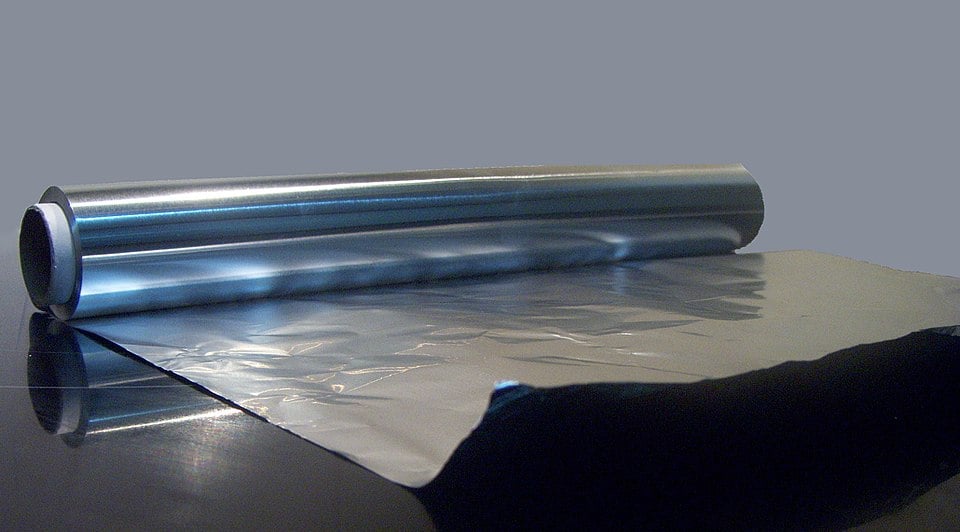
Kitchen tin foil, or aluminium foil, could help during these conditions, say experts.
Scorching sunshine has been heating much of Britain this weekend, and the Met Office is now predicting temperatures could reach as high as 34C on bank holiday Monday. The sweltering conditions have already met heatwave criteria across numerous parts of the country, with the mercury steadily climbing throughout the week before reaching its peak on today and Tuesday, meteorologists say.
Meanwhile, the UKHSA (the UK Health Security Agency) has issued yellow heat health alerts, encouraging people to take steps to stay cool. This means many of us will be searching for ways to lower temperatures indoors, ideally without breaking the bank.
While fans don’t genuinely reduce room temperatures, and air conditioning units work effectively but come with hefty running costs, people are increasingly seeking affordable and straightforward methods to bring down the heat.
Additionally, British homes are predominantly designed to retain warmth, owing to our typically temperate climate, which certainly compounds the problem.
However, there’s a lesser-known method for cooling your home which requires just a £1.20 roll of tin foil or kitchen foil – available at Asda as well as other retailers including Tesco, Morrisons, Sainsbury’s and Aldi.
Those desperately seeking relief from the heat have been recommending others unroll kitchen tin foil and place it across windows, particularly those exposed to direct sunlight, reports the Express.
Typically, when bright sunlight streams through glass, it intensifies the sun’s warmth and raises indoor temperatures even further – this is the principle behind how greenhouses maintain heat for plants inside.
However, foil functions by bouncing sunlight away from the window, directing it back outdoors.
Adam Pawson, Head of Digital at Safestyle, explained to Ideal Home: “Blocking your windows with tin foil will help to keep your rooms cooler in the heat as it reflects the heat back outside.”
Yet he noted the technique is most effective when applied externally: “However, one mistake people make is by placing the foil on the inside of the window. It is really important to be careful to place the tin foil on the outside of your windows rather than the inside to prevent the glass from getting too hot.”
Alternative methods include leaving windows open while keeping curtains closed, preventing direct sunshine from streaming in. Though this approach will still generate some warmth through the fabric, whereas foil provides superior sun reflection.
You might recall that foil’s heat-reflecting properties are useful during winter as well, when households were encouraged to position strips of tin foil behind radiators to help bounce warmth back into rooms.
Methods to maintain a cool home during hot weather
Additional benefits of tin foil or ‘aluminium foil’ include its non-toxic nature and its remarkably high melting point of 660C, meaning even during extreme heat, it will perform perfectly well with hundreds of degrees of tolerance, eliminating concerns about the foil melting under sunshine.
Further suggestions for keeping a house cool during a heatwave include: Open windows and doors only during the evenings, allowing cooler air to flow throughout the home, while keeping windows and curtains shut against direct sunlight during daylight hours.
Placing bowls of water in various rooms around the house can also help, as the water evaporates and assists in maintaining a cooler air temperature. Houseplants are another effective way to keep your home cool, acting as natural air conditioners by releasing moisture into the air through a process known as transpiration.
Switching off unused appliances is another worthwhile measure. Everything from ovens and toasters to laptops and games consoles such as a PlayStation can emit small amounts of heat even on standby, all of which contribute to the overall temperature of your home.
The same principle applies when charging devices like your mobile phone, as the minimal heat produced can slightly raise the room temperature, so it’s advisable to charge overnight.
Energy-efficient LED bulbs can also play a role in keeping your home cooler. Traditional bulbs, such as Halogen, generate a considerable amount of heat while illuminating a room, and multiple Halogen lights or spotlights can cause a noticeable rise in temperature during the evening hours.
Consider switching to energy-saving LEDs and keeping lights off wherever possible — a change that will also benefit your energy bills.
