


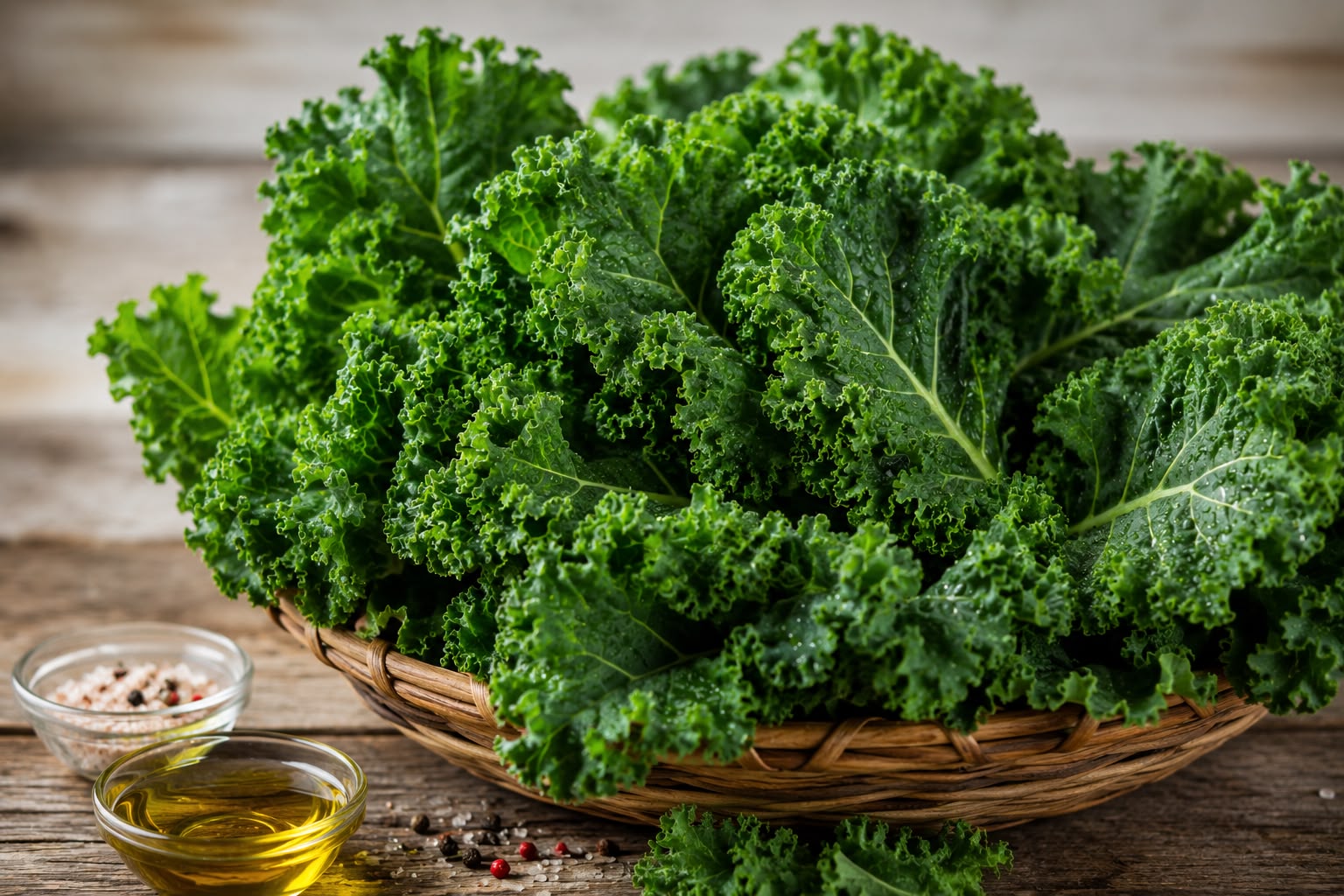
Leafy greens like kale, spinach and arugula get a lot of the attention for their health benefits, but there is another vegetable that deserves a closer look, nutrition experts say.
Watercress is an aquatic leafy green in the mustard family that typically costs between $2 and $5 in your local grocery store.
It has been recognized as the ‘healthiest vegetable’ by the CDC, earning a perfect 100 out of 100 score among a ranking of 47 fruits and vegetables, thanks to its high nutrient density.
‘Watercress is rich in vitamins A, C, and K, plus has key minerals and antioxidants,’ said Kristen Smith, a spokesperson for the Academy of Nutrition and Dietetics and registered dietitian at Piedmont Healthcare in Atlanta.
It also contains lutein and beta-carotene for eye health.
And a 2025 study in Food Science and Nutrition found that people who consume watercress showed less inflammation and better protection against cell damage.
Watercress is highly nutrient-dense, which keeps calories low but benefits up.
‘Watercress helps keep meals light by providing plenty of volume and texture for very few calories,’ Smith told Daily Mail.
‘Its high-water content and leafy structure add bulk to dishes, making meals feel more substantial and satisfying without greatly increasing their calorie content.’
Another win is how watercress is packed with antioxidants that may help protect against heart disease and some types of cancer.
Meanwhile, vitamin A supports immune, tissue and skin health, and acts as an antioxidant. Vitamin C, also an antioxidant, helps the body make collagen for the skin, blood vessels and bones. It also helps with immunity.
And vitamin K helps support bone and heart health.
Watercress’s low calories raise the stakes even higher.
‘Watercress has less than 4 calories per cup, and is low in carbs, protein and sugar,’ said Sheri Gaw, a cardiac and pulmonary wellness registered dietitian with El Camino Health in Mountain View, California.
‘It’s a light and crispy vegetable that is primarily made up of water, which contributes a sense of fullness with minimal calories.’
Watercress is more affordable in fresh bunches that typically cost about $2 to 3 per bunch, rather than prepackaged varieties that can cost $4 to 5 per packet, Gaw told Daily Mail.
Watercress has a peppery bite similar to arugula, but its flavor is slightly milder. That balance makes it a flexible ingredient that adds freshness to both simple everyday meals and more elaborate dishes.
Watercress can be added to salads, sandwiches or smoothies.
‘The small leaves of watercress have a bit of a spicy kick,’ said Julie Stefanski, a registered dietitian in Baltimore, Maryland who’s also a spokesperson for the Academy of Nutrition and Dietetics.
‘They are a perfect complement to a neutral-flavored lettuce like romaine or butterhead in a tasty salad.’
Stefanski also suggests using watercress to create an interesting twist on summer dips by using spinach and watercress as the base along with either plain Greek yogurt, mayo, or sour cream.
To make, blanch 1 cup of raw spinach and half a cup of watercress in boiling water for one to three minutes. Puree the greens and add to the dip base you prefer. Add flavors such as garlic, dill, celery salt, pepper, or dried onion to create a bold or mild dip, she recommends.
Watercress also makes a fun pizza topping and you can add small bundles of washed watercress once your pizza is done baking.
‘The flavor of watercress can pair well with the familiar taste of mozzarella cheese and tomatoes,’ Stefanski told Daily Mail. ‘An added bonus is that its small leaves aren’t hard to fit onto a piece of pizza.’
The Bottom Line
You’ll find watercress near the lettuce and herbs in most major grocery stores, plus summertime is a good chance to find fresh watercress at your local farmer’s market.
‘Just like any lettuce, it’s smart to store it unwashed in the refrigerator and wash right before serving to keep the leaves crisp and fresh,’ Stefanski said.
‘If you forget about it in the vegetable drawer, you can always regain a little bit of crispness by submerging it in cold water in your refrigerator for a few hours before adding some into your dish.’
