
What Vance said as the US delegation departed
Twenty-one hours of historic negotiations between the United States and Iran have ended in Islamabad without an agreement, after Vice-President JD Vance told reporters that Tehran had refused to accept what he described as Washington’s “final and best offer”.
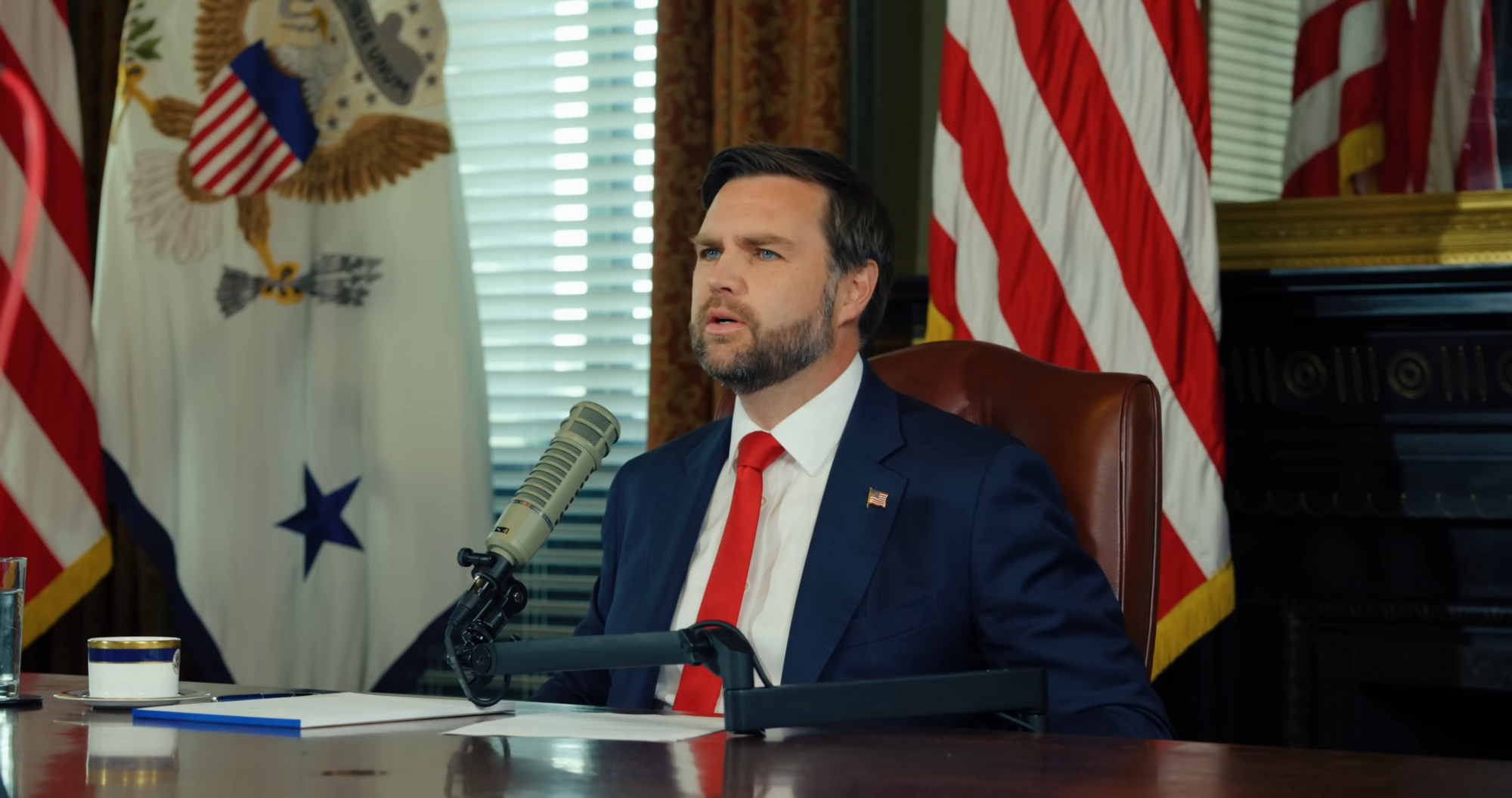
Speaking for just three minutes shortly after 6am local time, following a marathon session that had stretched long into the night, Mr Vance did not attempt to soften the outcome. “The bad news is that we have not reached an agreement, and I think that’s bad news for Iran much more than it’s bad news for the United States of America,” he said.
He confirmed that the US delegation was packing up and heading home. “So we go back to the United States having not come to an agreement,” he told reporters. “We’ve made very clear what our red lines are.” The vice-president insisted the American side had come to the Pakistani capital “in good faith” and had been prepared to show flexibility, before leaving a “very simple proposal” on the table as a take-it-or-leave-it offer. Shortly afterwards he was photographed waving from the steps of Air Force Two as he boarded his flight out of Islamabad.
The encounter, which began on Saturday, had marked the first high-level direct talks between Washington and Tehran since the 1979 Islamic Revolution.
Why the two sides could not bridge the nuclear gap
At the heart of the breakdown, according to Mr Vance, lay a single unresolved question: whether Iran was prepared to give a binding, long-term commitment never to pursue a nuclear weapon. That, he made clear, was the issue on which President Donald Trump’s team had been unwilling to compromise.
“The simple question is, do we see a fundamental commitment of will for the Iranians not to develop a nuclear weapon – not just now, not just two years from now, but for the long term?” Mr Vance said. “We haven’t seen that yet. We hope that we will.”
He added that Washington needed “an affirmative commitment that they will not seek a nuclear weapon, and they will not seek the tools that would enable them to quickly achieve a nuclear weapon”. That, he said, was “the core goal of the president of the United States. And that’s what we’ve tried to achieve through these negotiations.”
Tehran’s version of events
Iranian officials painted a very different picture of why the talks had foundered. A spokesperson for Iran’s foreign ministry, Esmaeil Baqaei, described the negotiations in Islamabad as “intensive” but accused the United States of bringing “excessive demands and unlawful requests” to the table. Iranian state media went further, blaming the collapse squarely on what it called Washington’s “unreasonable demands”.
Mr Baqaei said any path forward now “depends on the seriousness and good faith of the opposing side”, urging the US to recognise what he described as Iran’s “legitimate rights and interests”.
Neither side announced a date for any resumption of talks, and both left Islamabad with their public positions hardened rather than softened. After a day that had begun with guarded optimism and the symbolism of two delegations trading written texts for the first time in more than four decades, the outcome is a reminder of just how far apart Washington and Tehran remain on the issue that matters most to both.
No Peace Deal Reached Between US and Iran, Says Vance
 By Henry

Henry
Henry Caldwell is a publisher and news editor dedicated to delivering accurate, timely, and balanced reporting across a wide range of topics. He covers breaking news, world affairs, politics, business, technology, science, health, entertainment, sports, and lifestyle. Committed to responsible journalism and high editorial standards, Henry provides readers with reliable information and clear insights into the stories shaping the world. Through Dispatch Times, he strives to keep audiences informed with comprehensive and trustworthy news coverage
Add A Comment
