


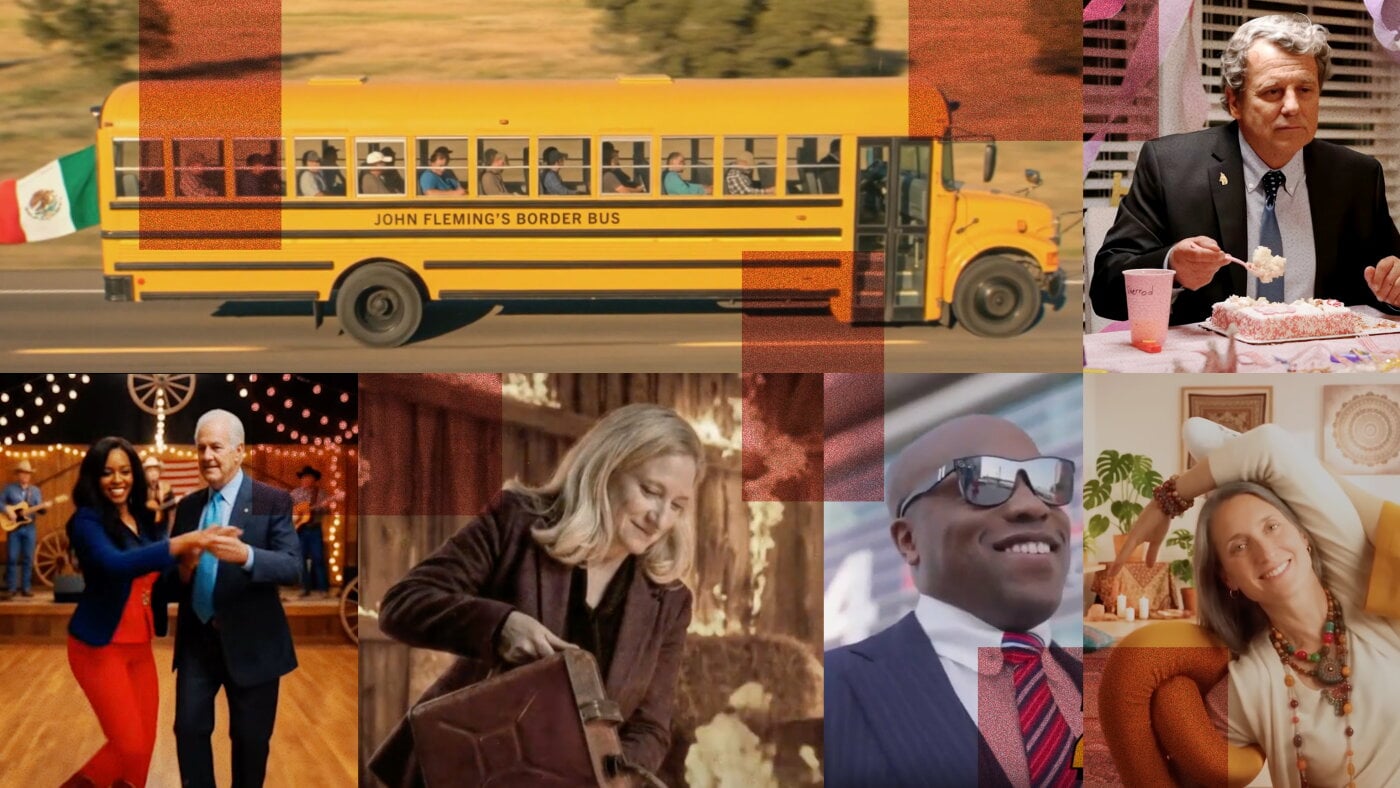
AI-generated political ads are spreading across US election campaigns, with at least 164 adverts nationwide produced or enhanced using the technology this year, according to the Wesleyan Media Project.
The adverts range from parodies featuring prominent candidates to attacks in local races, raising questions about whether voters can distinguish satire from reality and whether those depicted have consented to the use of their likenesses.
Jessica Bichler, a Democratic candidate for the North Carolina state Senate, was shown in an advert produced by her Republican opponent, incumbent Senator Michael Lee, contorting into physically impossible yoga poses. The video also made claims about her views on policing and healthcare.
Bichler, who owns a yoga studio, said the use of her face and body had caught her off guard. “It was my face, it was my body moving around, but it was not anything I’d ever consented to or participated in creating,” she said.
The advert carried an AI disclaimer. Mr Lee said voters were “smart enough to spot comedy and obvious parody when they see it”, adding that left-wing groups had previously distorted his image in campaign material without prompting him to complain.
Michael Franz, co-director of the Wesleyan Media Project, said the use of AI-generated material was becoming increasingly common. He said the technology allowed campaigns to make adverts appear polished without spending large sums, including in local and down-ballot contests.
AI-generated political ads move beyond deepfakes
AI-generated video began gaining ground during the 2024 election cycle, when experts warned that candidates could be shown apparently making outrageous statements. Thirty-one US states have since passed laws banning deepfakes or requiring them to carry disclosures, according to the National Conference of State Legislatures.
Scott Babwah Brennen, director of the Center on Technology Policy at New York University, said the feared wave of deceptive deepfakes had not emerged as a widespread problem. Instead, he said, campaigns were increasingly using AI for material closer to political satire, which he described as “AI-generated slopaganda”.
One advert showed Ohio Democratic Senate candidate Sherrod Brown overstaying his welcome at a birthday party. Another, released by Texas Republican Senate candidate Ken Paxton, depicted his Democratic rival James Talarico reading from a Bible. Mr Talarico called the advert deceptive.
Political donor Todd Stiefel said AI was “simply a tool”. During the 2024 campaign, he funded an advert portraying then-Republican North Carolina gubernatorial candidate Mark Robinson as a grotesque AI figure with 14 fingers, alongside references to alleged conspiratorial views attributed to him.
Isabel Linzer, who monitors elections at the Center for Democracy and Technology, said the technology could be seen as a modern extension of political cartoons, in which opponents have long been exaggerated or portrayed unfavourably. But she warned that lifelike video and the novelty of AI could affect voters in unpredictable ways.
Some of Bichler’s supporters initially believed the yoga advert showed real footage and asked how the opposing campaign had entered her studio. She said she had to explain that the movements depicted were not humanly possible.
Bichler sent the Lee campaign a cease-and-desist letter over the way her political positions were represented, rather than over the use of AI. The campaign later issued a revised advert with some claims toned down and a larger disclaimer at the beginning.
Mr Lee said he had voluntarily included disclaimers in both versions because “AI imagery can be taken too far”. Bichler said she believed the technology would remain part of political advertising, but did not intend to use it herself, preferring to campaign with “facts and reality”.
