


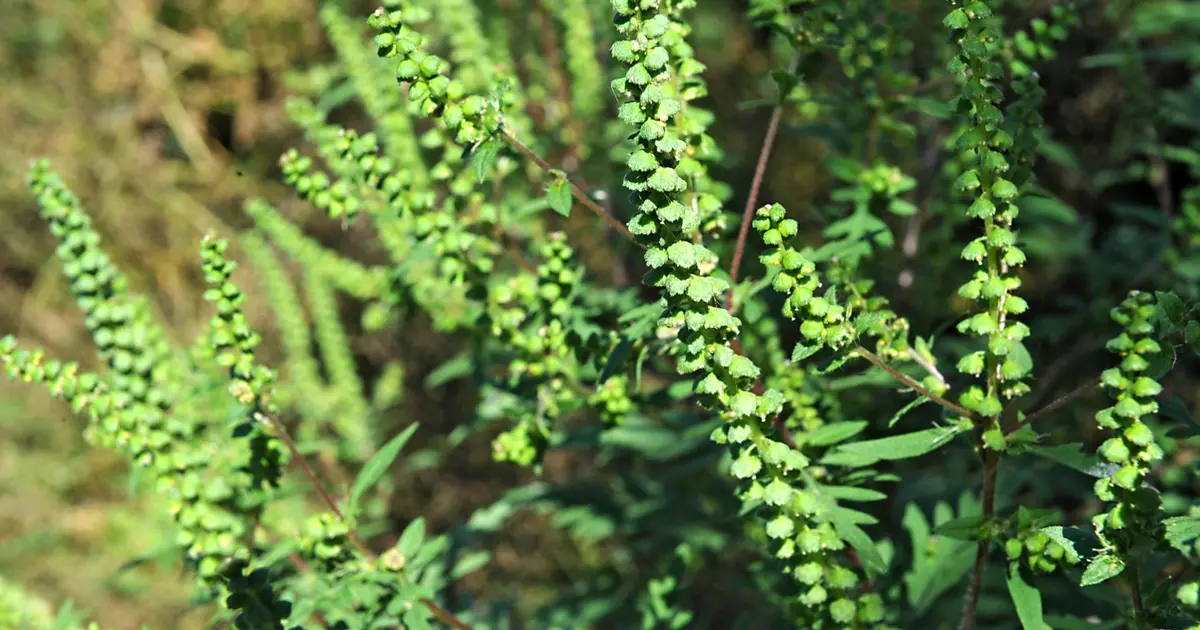
Fall allergy season has lengthened across much of the United States as warmer autumns delay the first freeze, giving ragweed more time to grow and release pollen, according to an analysis by Climate Central.
The research found that 177 of the 202 cities studied are now experiencing a longer freeze-free autumn than they did in 1970. On average, the season has increased by 11 days, while 67 cities have seen it extend by at least two weeks.
Why the ragweed allergy season is lasting longer
Ragweed is one of the main causes of late-summer and autumn allergies in the US. Its pollen season is closely linked to the number of days between the start of autumn and the first freeze.
Climate change has raised temperatures and pushed the first freeze later in the year in many areas. That gives ragweed a longer period in which to mature and spread pollen through the air.
Ragweed grows in every US state except Alaska. Tree pollen is more commonly associated with spring allergies, while grass pollen tends to cause problems in early summer.
A single ragweed plant can produce up to one billion pollen grains, according to Climate Central. The pollen is carried by the wind and can trigger symptoms including sneezing, a runny or blocked nose, postnasal drip, itchy eyes and fatigue.
Other effects can include red or watery eyes, swelling around the eyes, disturbed sleep and irritability. The Asthma and Allergy Foundation of America says ragweed pollen is generally most prevalent during late summer and autumn.
US cities with the biggest increase
The cities where the freeze-free autumn has lengthened most since 1970 include Toledo, Ohio, where the increase is 28 days, and Reno, Nevada, where it is 26 days.
Boise, Idaho, and Tupelo, Mississippi, have each recorded an increase of 24 days, while Richmond, Virginia, has seen its freeze-free autumn extend by 23 days.
The findings come as global temperatures continue to rise. Copernicus, the European Union’s climate monitoring service, reported that August was the hottest month on record globally, with climate change and a strong El Niño event contributing to the exceptional heat.
For people affected by seasonal allergies, the shift means symptoms may begin earlier or continue later than in previous decades, particularly during warm autumns when the first frost is delayed.
