


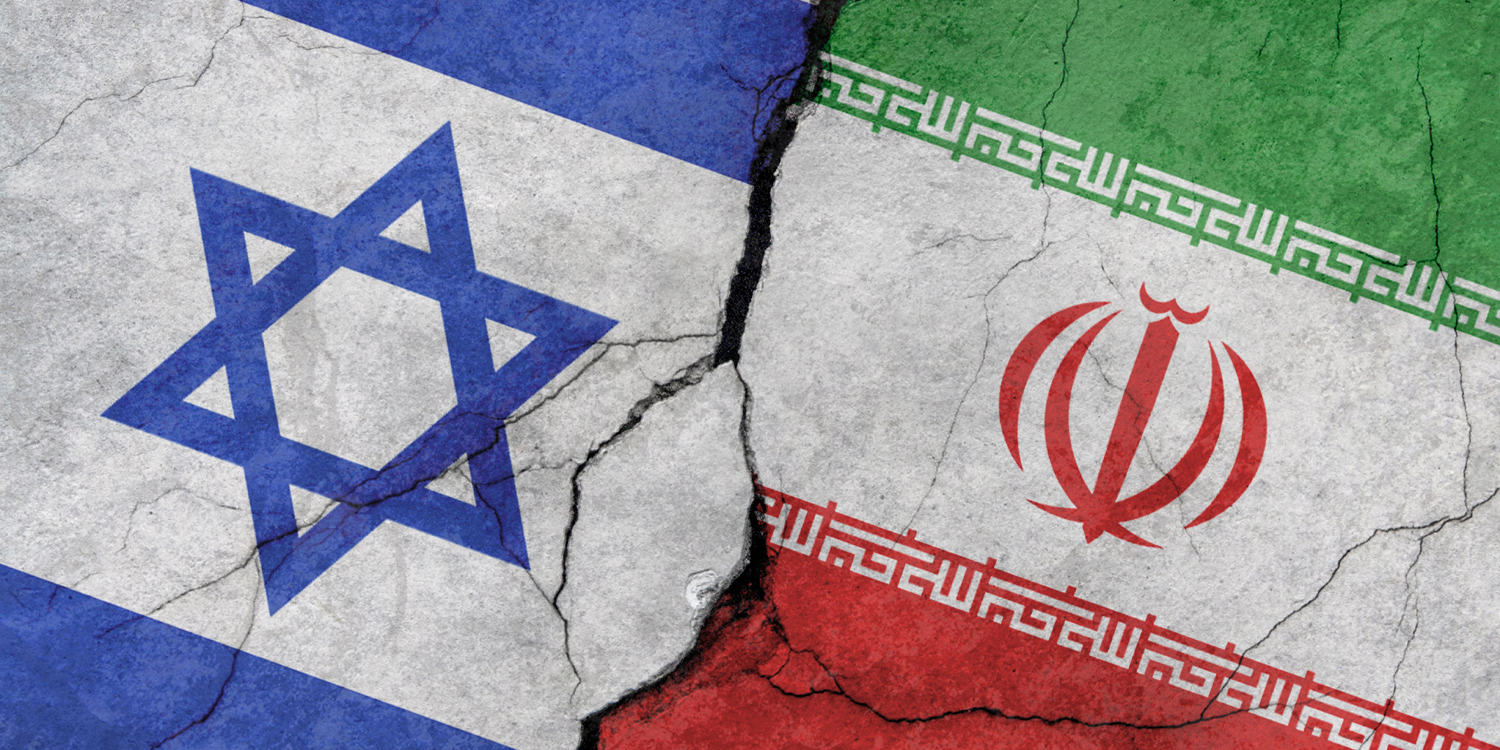
A new piece of psychology research suggests that dark personality traits—specifically psychopathy and sadism—are linked to a broader endorsement of political violence, beyond any single side of the Israel–Hamas conflict. The study, published in Personality and Individual Differences, reports that these traits predict support for violent actions by both Israel and Hamas in two online studies conducted with European and British participants.
In political psychology, researchers have long argued that people judge violence through the lens of group identity and ideology. When confronted with a highly polarised conflict, the expectation is that individuals support violence from one side while opposing it from the other. The study’s author, Tobias Greitemeyer of the University of Innsbruck, sought to test whether certain personality characteristics could override this partisan loyalty.
The research draws on the Dark Tetrad—a cluster of four socially aversive traits: narcissism, Machiavellianism, psychopathy and sadism. Narcissism involves grandiosity and entitlement, Machiavellianism denotes manipulation and cynicism, psychopathy features callousness and impulsivity, and sadism involves deriving pleasure from others’ suffering.
Two online studies formed the basis of the findings. The first recruited 257 German-speaking participants from Austria and Germany. They completed standardised measures of the Dark Tetrad, political orientation, general attitudes toward war and peace, and their level of support for violent actions carried out by Israel and by Hamas.
The results supported the conventional view that political violence tends to be actor-specific. Support for Israeli violence and support for Hamas violence were negatively correlated, indicating that endorsing one side’s violence was associated with less support for the other. Older participants tended to back Israeli actions more and Hamas actions less. Men showed greater support for Israeli military actions than women, while there was no gender difference for Hamas.
However, when looking at personality, a different pattern emerged. Psychopathy and, in particular, sadism were positively associated with support for violent actions by both Israel and Hamas. People scoring higher on these traits tended to endorse violence in a general sense, regardless of which actor was responsible. By contrast, narcissism and Machiavellianism did not show this cross-actor endorsement.
The second study involved 470 participants from the United Kingdom and sought to replicate the findings while exploring potential psychological mechanisms. In addition to the Dark Tetrad and the two actors’ violence endorsement, participants completed measures of militarism—their interest in military matters—and moral disengagement.
Again, the pattern held: while overall support for Israeli and Hamas violence remained negatively correlated, psychopathy and sadism reliably predicted endorsement of violence by both sides. Narcissism was linked to Hamas support in the UK sample, and Machiavellianism showed no reliable association with either side’s violence.
The researchers also found that militarism and moral disengagement partially mediated the connection between dark personality traits and support for Israeli violence. Neither mechanism explained the link between the dark traits and Hamas violence endorsement, suggesting different cognitive pathways may be involved depending on the actor in question.
“This confirms the work of earlier research and slightly extends it by explicitly showing that individuals scoring high on dark personality traits (especially on psychopathy and sadism) tend to exhibit support for political violence of multiple conflicted and even directly opposing groups,” said Tomislav Pavlović, a researcher on the MOTIKA project, who was not involved in the study. He noted that those with higher dark traits “also tend to exhibit more favorable attitudes toward violence in general.”
“The findings of this paper could be taken as an extension of existing research, indicating that endorsement of political violence is not related only to political beliefs and social identity (ideological partisanship), but also to individual differences in dark personality traits,” commented Anja Wertag of the Ivo Pilar Institute of Social Sciences in Croatia, who likewise was not involved in the work. She emphasised the importance of integrating personality and political psychology perspectives in investigating violence endorsement.
The study aligns with prior PsyPost reporting from 2024, which highlighted that psychopathy predicted support for military violence against civilians in Russian opinion, and with other research showing that higher psychopathy corresponds with greater attitudinal support for politically motivated violence across multiple countries. A 2021 study linking psychopathic traits to support for violent social change—across left- and right-wing contexts—also resonates with these conclusions.
Nevertheless, the researchers caution about over-interpreting the findings. The data rely on self-report questionnaires, which participants may have completed in ways they believed were socially acceptable. The samples were non-representative groups of internet users from Europe, limiting how far the results can be generalised to the broader public or to populations directly involved in the conflict.
Wertag emphasised that the dark personality traits explained only a modest portion of the variance in violence endorsement—roughly five to eight per cent—adding that the study used only a brief measure of the Dark Tetrad. She urged that future work employ broader assessments to better understand how different aspects of the dark traits relate to violence endorsement.
Pavlović also noted geographical limitations, observing that none of the samples were drawn from Israel or Gaza. “We cannot tell whether these results would be replicated had the study been conducted on participants whose nations are involved in conflict,” he said.
The cross-sectional design means the study cannot determine causation. It remains possible that exposure to media coverage of political violence could influence a person’s psychological state, rather than personality traits driving attitudes. The researchers suggest further work to explore other mechanisms, such as a lack of empathic concern for victims, that might connect dark traits with endorsement of war.
As the authors summarised in their paper, titled “When darkness overrides partisanship: Psychopathy and sadism predict support for violence on both sides of the Israel–Hamas conflict,” the work adds to a growing body of evidence that personality differences—alongside ideological beliefs—shape how people view violence in international conflicts.
