


A road trip along Interstate 43 has uncovered an unusual link between the Wisconsin communities of Belgium and Luxembourg, where the names of two European countries appear to have been swapped by history.
FOX6’s Tim Van Vooren and sports photojournalist Mickie Leach, who have travelled north from the station’s Brown Deer studios to cover the Green Bay Packers since 1990, stopped at Exit 107 to explore the connection.
The village of Belgium was founded by immigrants from Luxembourg and is home to the Luxembourg American Cultural Society, despite its distinctly Belgian name. A separate community called Luxemburg lies farther north and has historic links to Belgian settlers.
Belgium, Wisconsin and its Luxembourg heritage
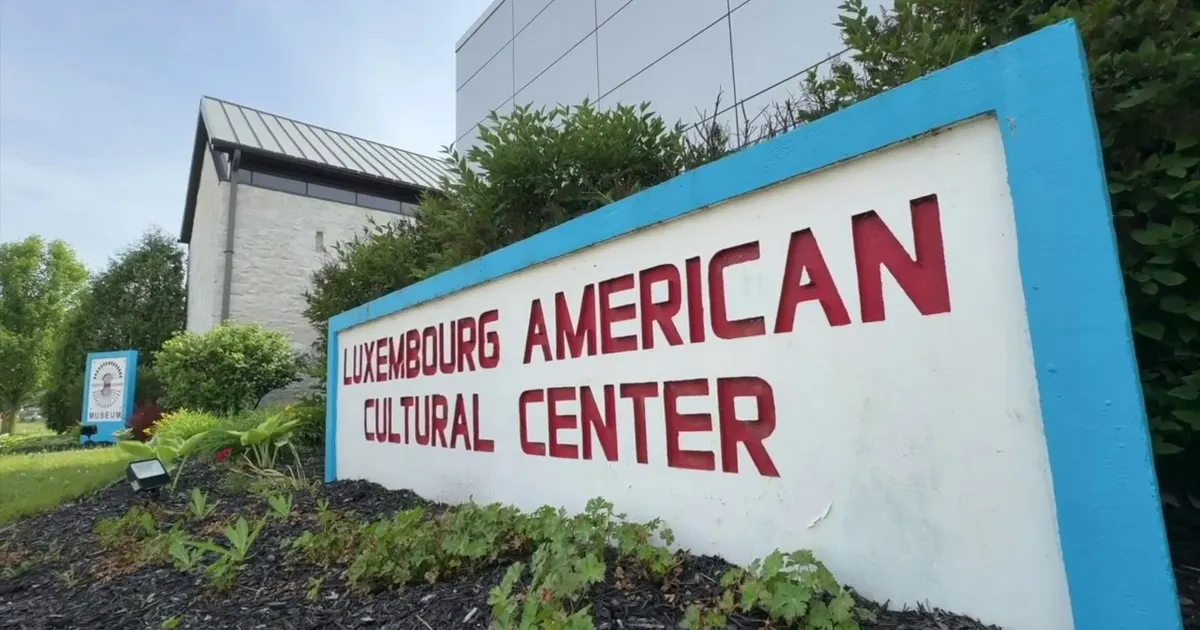
The Luxembourg American Cultural Center, at 100 Peter Thein Avenue, houses the Roots & Leaves Museum and a research centre dedicated to Luxembourgish history, genealogy and immigration to the United States.
Caitlin Armstrong, the centre’s curator of collections and archives, said the explanation most often repeated locally is that the names were confused when the communities were being established.
“There is a myth that during the time that the two towns were being named, the post offices actually got it wrong, so there was a clerical error – Luxembourg was supposed to be Belgium, and Belgium was supposed be Luxembourg,” she said.
Armstrong said the more likely explanation was rooted in the political history of the region from which the immigrants came. Parts of what had historically been Luxembourg had been annexed by Belgium, meaning some settlers identified as Luxembourgish while holding Belgian passports.
“When Luxembourg immigrants were coming over to this area, they had come from the heart of Luxembourg that had just gone to Belgium,” she said. “So they had Belgian passports, even though they identified as Luxembourg, hence the name Belgium, Wisconsin.”
The Village of Belgium says settlers began arriving in the area during the 1800s, when much of Luxembourg had been incorporated into Belgium. The community became known as the Belgium area because many of those settlers were citizens of Belgium when they left Europe, despite their Luxembourgish heritage.
The village was separated from the Town of Port Washington in 1848. A railway linking Milwaukee and Sheboygan arrived in 1872, helping settlement grow around the station, while the village itself was incorporated in 1922.
Today, the Luxembourg American Cultural Society preserves that history through museum exhibits, archival collections, educational programmes and cultural events. Its research centre is described by the organisation as one of the largest centres for Luxembourg studies and genealogy outside the Grand Duchy itself.
For Van Vooren and Leach, the discovery offered a detour from the usual journey to Lambeau Field – and a reminder that some of the most distinctive stories along the route to Green Bay are found well away from the football stadium.
