


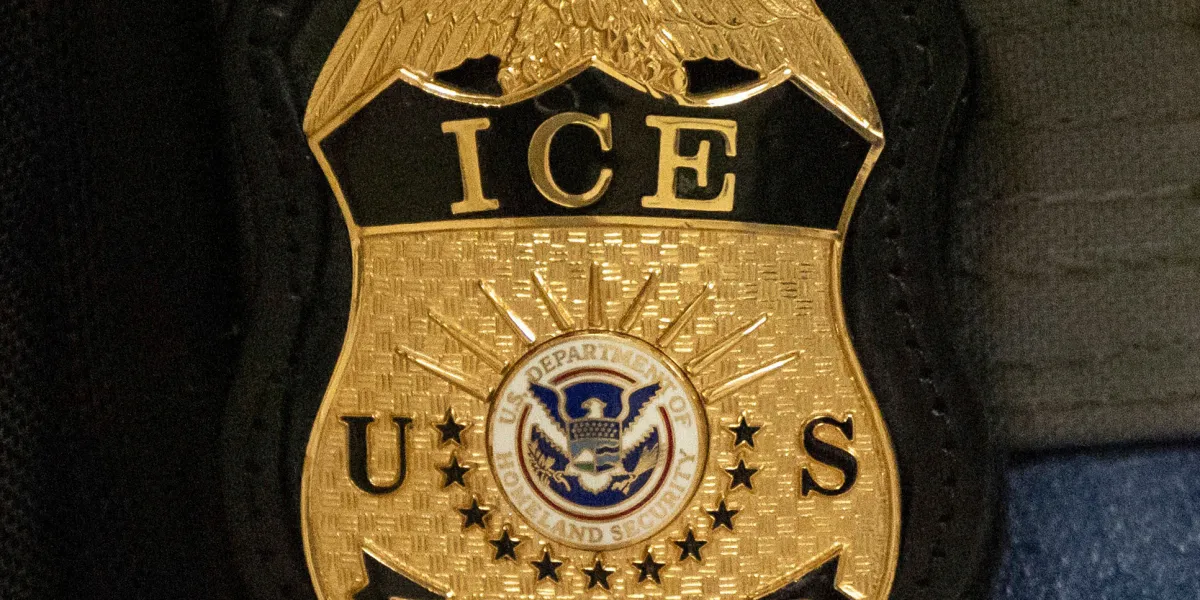
Heightened ICE immigration operations in Texas, Kansas and Oklahoma have disrupted meatpacking and livestock businesses, industry groups have warned, with employee absences delaying cattle shipments and raising the prospect of higher prices for consumers.
The Texas Cattle Feeders Association, Oklahoma Cattlemen’s Association and Kansas Livestock Association said thousands of cattle had been held up, causing millions of dollars in lost revenue across feedlots, dairy processors, feed and grain companies and transport hubs.
In south-west Kansas, businesses reported a rise in staff absences after residents noticed an increased presence of federal immigration officers this week, said Scarlett Mabinger, vice-president of communications for the Kansas Livestock Association.
Several meatpacking plants in Dodge City, Liberal and Garden City normally process thousands of cattle each day. Some were forced to close temporarily and return animals to feedlots, Ms Mabinger said.
“So then they’re having to be returned back to the feed yard to wait, which, of course, causes an animal health issue, causes financial issues,” she said.
The Kansas association said it had not received reports of arrests at worksites. However, members said the arrival of officers on Tuesday had been followed by workers failing to report for duty.
The Department of Homeland Security confirmed that officers were in Kansas but said they were not carrying out worksite raids. DHS Secretary Markwayne Mullin said ICE was “targeting heinous criminals”, without giving a breakdown of the number of arrests.
Amy Soberanes, a 25-year-old community organiser in Dodge City, said she had been helping deliver food to people afraid to leave their homes. She said cleaning crews had stopped attending some sites, forcing plants to shut.
“I have worked with so many moms who have told me that they don’t know what they’re gonna do because their provider has been taken,” Ms Soberanes said. “I have seen kids cry to me because their mom and dad are gone. It brought a lot of hurt, and a lot of pain, and a lot of trauma for our community.”
Meatpacking disruption raises concerns over beef prices
The Kansas towns affected by the apparent increase in enforcement have large Hispanic populations, which have grown over the past decade as a result of new arrivals, mainly from Cuba and Haiti, according to federal data cited in the source material.
The counties concerned strongly backed Donald Trump at the last election, with more than 65 per cent voting for the Republican Party. But Republican senators Roger Marshall and Jerry Moran have expressed concern and called for the administration to co-ordinate with local authorities.
Mr Moran said Secretary Mullin had assured him that the warrants were intended only to arrest people “who have been charged with criminal activities”.
The administration has repeatedly said it is targeting immigrants with criminal histories. However, recent data cited in the source material indicated that more than half of those arrested in July had not been convicted of a crime and were not facing criminal charges, while fewer than a quarter had been convicted.
Members of the Kansas Livestock Association are calling for more targeted enforcement and greater transparency from federal officials.
Beef prices have already reached record highs over the past year, largely because the national cattle herd is at its smallest level in 75 years. The administration has sought to ease prices by allowing some beef imports without high tariffs and reopening the border to cattle from Mexico after it was closed because of an outbreak of New World screwworm.
Ms Mabinger said prolonged disruption could further affect consumers. “If it continues for a long enough period of time, then it could therefore lead to increased prices, because we are not processing the amount of beef that consumers are currently demanding,” she said.
