


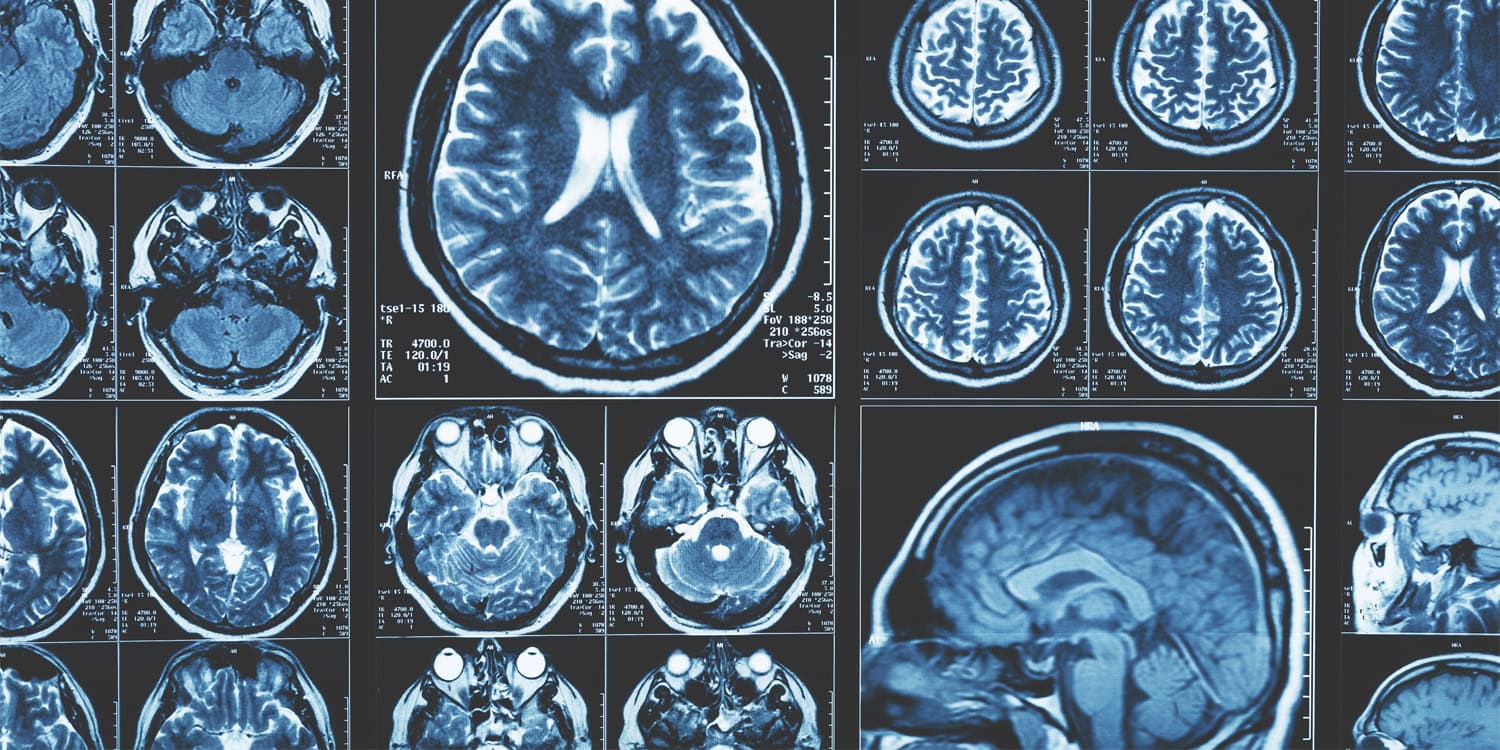
A landmark study drawing on the Adolescent Brain Cognitive Development Study suggests that a child’s neighbourhood and socioeconomic background shape the brain’s developing function and structure more powerfully than any other behavioural or environmental factor. The research, led by Scott Marek of Washington University School of Medicine in St. Louis, found that patterns of brain activity once thought to signal innate intelligence may actually reflect socioeconomic status, likely driven by environmental stressors such as sleep deprivation.
For years, neuroscientists have attempted to map single human traits to brain imaging data. This team sought to evaluate how a vast array of lifestyle, environmental, and cognitive variables relate to brain biology at once, allowing them to identify which aspects of a child’s life most strongly associate with brain organisation.
Using data from thousands of nine- and ten-year-olds across the United States, the researchers analysed two common MRI measurements: resting-state functional connectivity, which tracks how different brain regions communicate at rest, and cortical thickness, the depth of the brain’s outer gray matter.
They compared these brain measures against 649 non-imaging variables spanning categories such as physical health, parenting, personality, substance use, and social adjustment to determine the strength of each association.
Across those 649 variables, socioeconomic measures exhibited the strongest and most reliable links to the brain data. The most powerful association was tied to the socioeconomic opportunities afforded by the child’s home postcode, a metric capturing neighbourhood factors like school quality, environmental toxins, and access to resources.
Other highly ranked factors included sleep duration and the amount of time children spent on screens. Traditional metrics of cognition and overall mental health symptoms ranked much lower in their associations with the brain measurements.
The researchers then mapped where these socioeconomic associations appeared in the brain. They found that socioeconomic status correlated strongly with differences in the primary motor and sensory regions—areas involved in processing movement and immediate sensory input—rather than in the frontal and parietal cortices, which handle higher-order reasoning.
To interpret these patterns, the team compared them with established biological maps, including neurotransmitter signatures, sleep-related brainwave data, and imaging tied to task-based reasoning. The socioeconomic pattern aligned closely with indicators of physiological arousal, sleep deprivation, stress, and stimulant effects, rather than the networks typically associated with complex cognitive tasks.
Remarkably, the researchers found that the brain pattern linked to intelligence quotient, or IQ, was nearly identical to the socioeconomic pattern, concentrated in the same motor and sensory regions and not in the brain networks usually associated with advanced reasoning.
When socioeconomic status was statistically removed from IQ scores, the strong brain-IQ associations largely disappeared. What remained shifted away from the sensory and arousal regions and appeared somewhat more aligned with known cognitive networks.
In a further multivariate analysis, the team trained computer models to predict a child’s IQ score solely from brain connectivity. They restricted some training to affluent children and found that these models failed to predict IQ in a separate group. Predictive accuracy only emerged when the training data included children from lower socioeconomic backgrounds, indicating the models were exploiting background SES as a shortcut rather than measuring a pure biological signature of intelligence.
The researchers caution that population-level associations describe data across large groups at a single moment in time. Group averages cannot forecast individual outcomes or an individual child’s cognitive potential. They note that socioeconomic opportunity explained about 16 per cent of the total differences observed in the brain scans, with many other biological and environmental factors contributing to development.
The findings challenge the notion that IQ scores reflect a fixed, intrinsic biological trait. They suggest that past studies linking brain networks to intelligence may have, in part, captured the physiological toll of environmental stressors rather than an immutable cognitive centre.
Looking ahead, the researchers advocate longitudinal work to track developmental pathways as children age and to explore whether interventions aimed at improving sleep quality and reducing stress could positively influence brain development in under-resourced communities.
The study, Patterns of brain-wide associations reflect socioeconomics, was led by Scott Marek with colleagues including Meghan Rose Donohue, Nicole R. Karcher, Caroline P. Hoyniak, Roselyne J. Chauvin, and many others, and published in Science.
