


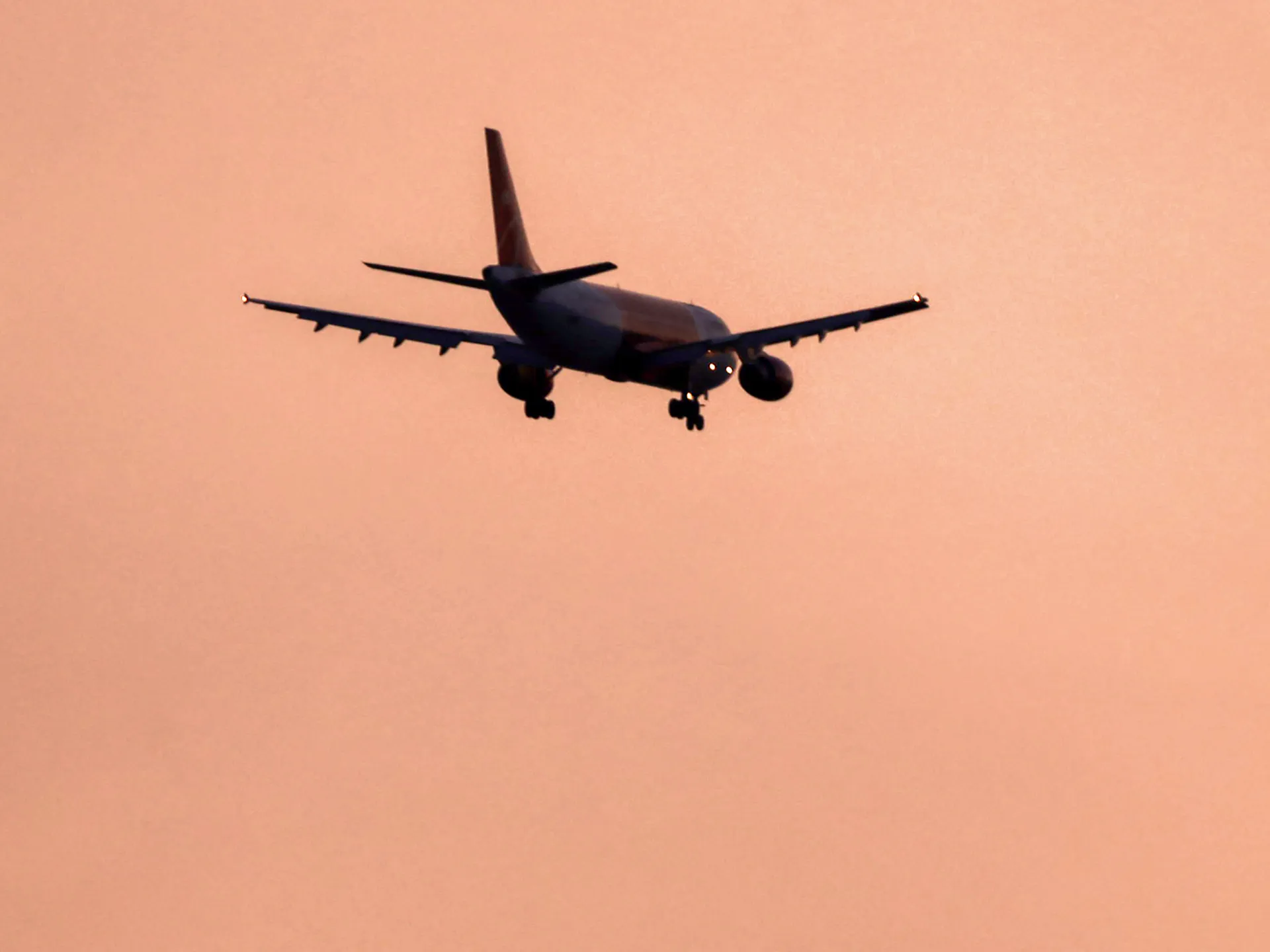
Four Iraqi airports have suspended flights to and from Iran after the United States imposed new aviation sanctions on companies worldwide doing business with Iranian airlines.
Services were halted at Baghdad, Najaf, Erbil and Sulaimaniyah airports, Iraqi state media reported. The move has further reduced Iran’s air links with neighbouring countries as Washington increases pressure on its aviation sector.
The suspensions are expected to force passengers travelling between Iran and Iraq to make land journeys of at least 12 hours, depending on their destination.
Najaf flights halted after government directive
Najaf airport director Hussein Muhanna said all flights between the airport and Iran had been stopped following a directive from the Iraqi prime minister’s office to the governor of Najaf.
Najaf is a major destination for Iranian visitors travelling to Iraq’s sacred sites, while Iraqi Shia pilgrims use flights to reach holy cities in Iran. An employee of an Iranian airline at the airport said carriers had normally operated at least 20 flights a day, but only four flights to other destinations remained scheduled on Friday.
The Iranian Consulate in Najaf criticised the decision in a post on X, asking: “Najaf international airport, the shrine of the first Imam of the Shia, and the capital of their last Imam, is closed to the largest Shia country in the world?!”
Iraq had become one of the main destinations for Iranian airlines after Iraqi carriers stopped flying to Iran at the start of the US-Israel war on Iran in February.
The latest restrictions follow Washington’s announcement of sanctions against global companies that conduct business with Iranian airlines. The measures form part of efforts launched by the United States in August under what it called Operation Economic Outcast to isolate Iran from the global economy.
Other countries in the region, including the United Arab Emirates and Qatar, have also cancelled or restricted flights to Iran in order to comply with the US aviation sanctions.
Iranian airlines are now relying on a smaller number of routes, including services to Turkiye, Russia, China and Armenia. The cuts have not completely severed Iran’s air links, but have significantly reduced them.
Ground-service companies in Iraq, including those responsible for refuelling and baggage handling, are understood to be unwilling to risk secondary sanctions or exclusion from the international US dollar system.
The decision leaves Iraq caught between its ties to the United States and its close relationship with Iran. The central government has not issued a public statement on the flight suspensions.
