


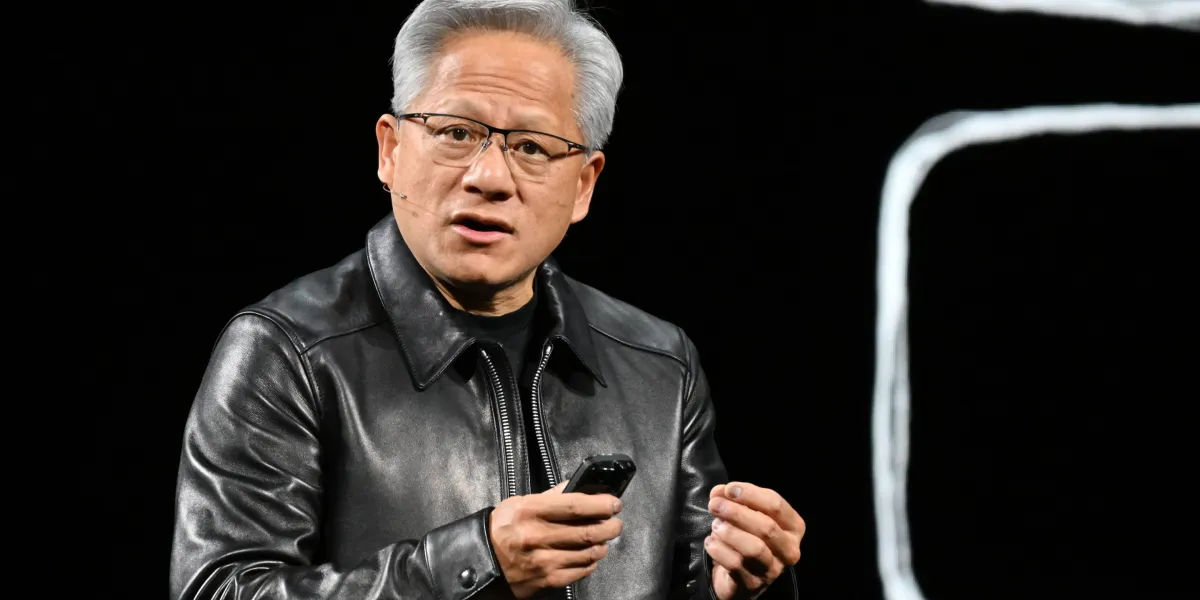
Nvidia chief executive Jensen Huang is facing an independent review after an alleged affair involving a woman suspected of being a Chinese spy, raising questions over corporate governance, national security and the future of one of the world’s most influential technology companies.
The allegations have placed renewed scrutiny on the company’s board, which expressed “confidence in Jensen” when announcing the review. Political leaders have reportedly known about the potential conflict of interest for at least six months.
Huang, a dual citizen of Taiwan and the United States, is central to Nvidia’s position at the heart of the artificial intelligence industry. The company’s technology has become closely linked to national competitiveness and security, increasing concern over any possible undisclosed relationship involving its chief executive.
Nvidia shares fell 4.3% in the latest session and have lost more than a fifth of their value over the past month. The board is seeking to establish the extent of the alleged deception and assess whether Huang remains fit to lead the company.
Questions over Nvidia’s board and succession planning
The affair has also drawn attention to Nvidia’s management structure. Huang is described as operating in a highly centralised “founder mode”, with 60 people reporting directly to him and no one-to-one meetings.
That model has helped make Huang the public face of Nvidia, but it has also raised questions about the company’s ability to develop a leadership team capable of replacing him if necessary. The episode has intensified concerns that Nvidia may be built too heavily around one individual.
Jeffrey Sonnenfeld of Yale described Nvidia’s board as a “board imbued with idolatry”, arguing that it appeared to lack a credible alternative should Huang be judged unable to continue in the role.
The board’s handling of the investigation will be closely watched. Corporate directors are expected to hold senior executives to account and maintain a succession plan, rather than allow a company’s fortunes to depend entirely on one leader.
The controversy has also revived debate over whether companies developing advanced AI systems should face oversight comparable to that applied to major defence contractors, including standardised security clearances and formal security protocols.
Such scrutiny could extend beyond Huang’s personal conduct to questions about whether government officials acted quickly enough after reportedly learning of the alleged conflict. The affair has placed the relationship between Silicon Valley leadership and national security under fresh examination.
It remains unclear what consequences Huang will face or what the independent review will find. But the case has put the power of the largely unchecked technology chief executive under intense pressure.
