


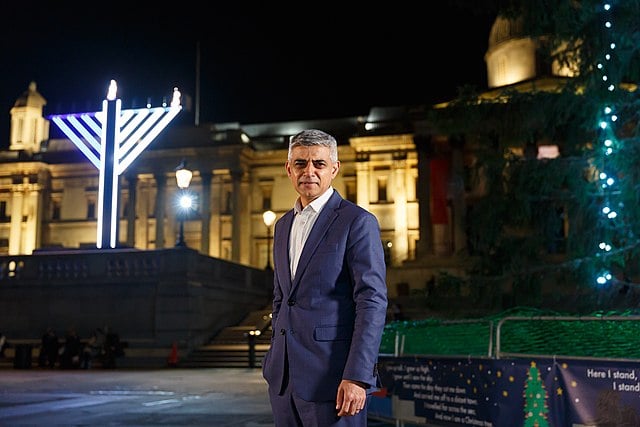
London’s mayor has issued a stark warning regarding the upcoming local elections, suggesting that diminished Labour representation across the capital’s boroughs could result in reduced funding for critical municipal services. Sir Sadiq Khan expressed concern that historical patterns show Labour governments often experience setbacks during council elections, which could impact infrastructure development and community programs.
Starmer Signals Ambition For Single Market Cooperation With EU As Iran War Strains UK-US Relations
The mayor emphasized that declining Labour control directly correlates with decreased construction of municipal housing units and reduced financial support for youth facilities and neighborhood commercial areas. Currently, the party maintains governance over 21 of London’s 32 council jurisdictions heading into the May 7 electoral contest. Opposition parties including the Conservatives, who oversee five boroughs, the Liberal Democrats with three councils, and the Aspire Party controlling Tower Hamlets, comprise the remaining leadership. Two additional boroughs operate under minority administrative structures. Energy Secretary Ed Miliband joined Khan at the campaign kickoff, defending the prime minister’s absence by highlighting recent decisions regarding international conflicts. Political analyst Karl Mercer anticipates unpredictable outcomes but suggests Labour faces significant electoral challenges on voting day. Electoral experts predict a fundamental shift in London’s political landscape, moving beyond traditional two-party competition. Nick Bowes from LCA Communications Limited notes that five or six parties now actively compete in various boroughs, including Independents, Greens, and Reform UK. This fragmentation may produce councils without clear majorities, complicating post-election coalition building and administrative formation across multiple town halls throughout the capital.
