


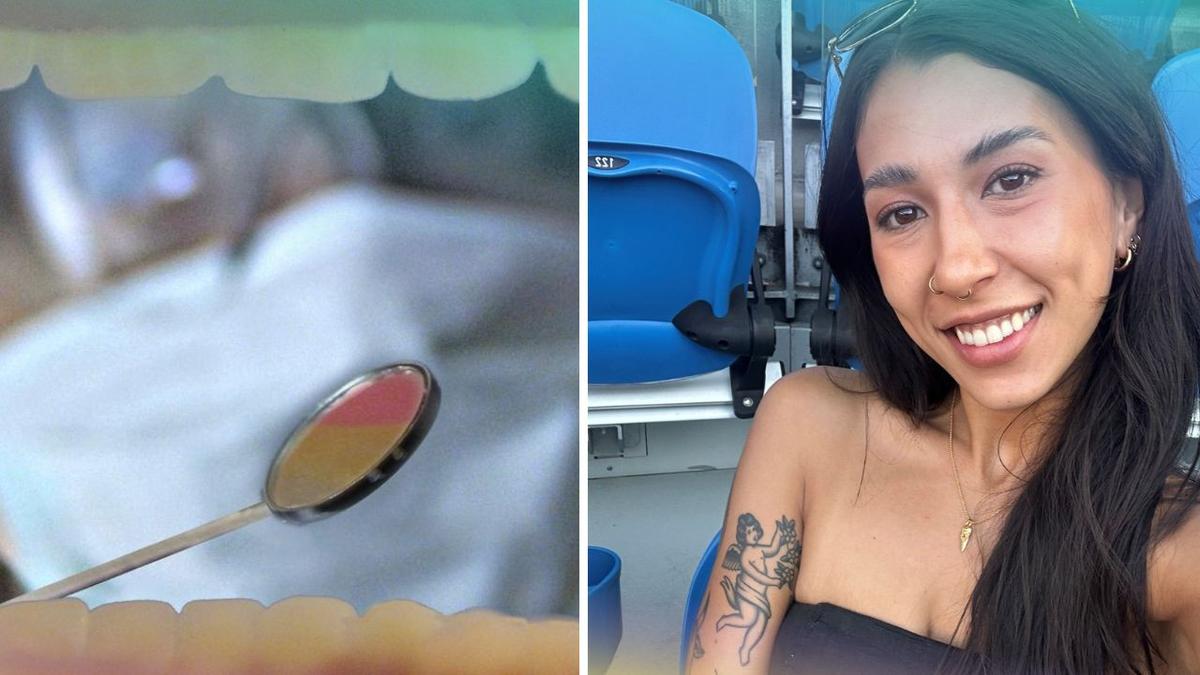
More than two million Australians have skipped dentist visits because of affordability, while one in three adults has untreated tooth decay, according to figures highlighted by the Australian Dental Association (ADA).
Dr Monica Farrelly, a Sydney dentist and ADA health promoter, said cost-of-living pressures were causing patients to delay preventive treatment, allowing relatively minor problems to become more serious.
“Issues that may have started off as small and relatively reversible, they might just have needed a quick clean, or a small filling, might end up becoming a lot more severe,” she said.
Farrelly said people often assumed their teeth were healthy if they were not experiencing pain. She compared regular dental appointments with taking a car to a mechanic, warning that problems could develop without obvious symptoms.
The ADA survey found that young Australians aged between 18 and 25 were among those most likely to miss appointments. Many are finishing school, leaving home and losing access to their parents’ private health insurance.
Emily Novo, a university student in Sydney, experienced the consequences after delaying dental care because of the expense. Earlier this year, she developed slight pain while brushing her teeth, but woke the following day unable to eat or speak properly.
A hospital examination found an abscess between her wisdom tooth and gum. She was prescribed antibiotics and could eat only soup for a week while the infection cleared.
Novo said dentists later told her the problem could probably have been avoided with regular cleaning. But after moving out of home and returning to study, she said the cost remained a barrier.
“I now live in the city and who really has a spare $300 to $500 to just get a clean, essentially,” she said.
Young Australians report dental pain and cosmetic pressure
Six in 10 young Australians surveyed had experienced pain, swelling, infection or discomfort from wisdom teeth. Almost 40 per cent said they did not wear a mouthguard while playing contact or high-impact sports, despite the ADA describing many sporting injuries as preventable.
Social media was also influencing decisions about cosmetic dental treatment. Six in 10 respondents said it had encouraged them to consider procedures including whitening, veneers and aligners.
Farrelly said interest had grown in so-called “Instagram teeth”, including the upper front teeth sometimes known as the “social six”. She urged people to seek professional advice before undergoing treatment, with the ADA warning that poorly informed decisions could permanently affect teeth and gums.
Dr Chris Sanzaro, the ADA president, welcomed the creation of a new national oral health group to help develop a fresh National Oral Health Plan.
“For too long, dental has sat outside the national health reform conversation, even though it’s one of the most common reasons people avoid care because of cost,” he said.
The plan is expected to be finalised before the end of 2026 and is being developed with the states, territories and dental sector. It is intended to guide national efforts over the next decade, with the aim of improving oral health outcomes and reducing disparities.
