


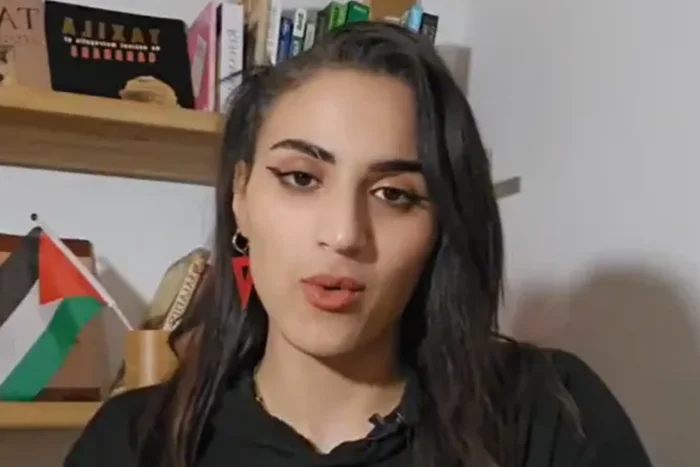
A suspended NHS surgeon is facing criminal prosecution over social media activity that previously led to her removal from medical practice, as the Government simultaneously pushes ahead with reforms that could see more healthcare workers lose their licences over similar conduct.
Dr Rahmeh Aladwan, 31, a British Palestinian trainee trauma and orthopaedic surgeon, has been charged by the Metropolitan Police with multiple counts of inviting support for Hamas. The charge follows a Medical Practitioners Tribunal last November which suspended her for fifteen months after finding she had shared posts expressing support for what it described as violent action and terrorist organisations. Dr Aladwan has denied making racist or hateful comments.
The tribunal found at the time that her posts risked undermining patient confidence, and that some patients may be discouraged from seeking her care. Her legal representative argued before the tribunal that there was no evidence her online activity had affected either patient safety or her clinical performance.
The criminal charge now places the case on a different footing entirely, moving it beyond the regulatory sphere and into the courts.
The timing coincides with a government consultation on significant changes to the General Medical Council’s powers. The Department of Health and Social Care has stated that too many instances of racist and antisemitic language by doctors online had gone without swift disciplinary response. Under the proposed reforms, the GMC would be able to act more quickly when patient safety is considered to be at risk.
Health Secretary Wes Streeting said the NHS must be a service in which everyone feels safe seeking care, regardless of their background, and that the current position — in which many patients and staff do not feel adequately protected — was unacceptable.
Labour peer Lord John Mann, who was asked to conduct a rapid review of racism within the health service last November, is expected to publish his recommendations imminently. He has been critical of the existing regulatory framework, describing it as too slow and too cumbersome to deal effectively with such cases.
GMC chief executive Charlie Massey said the proposed reforms represented an important and long-awaited step, and that they would allow the regulator to respond more quickly and flexibly when concerns about patient safety arose.
The outcome of Dr Aladwan’s criminal case and Lord Mann’s forthcoming recommendations are both expected to inform how the NHS and its regulators handle similar cases going forward.
