


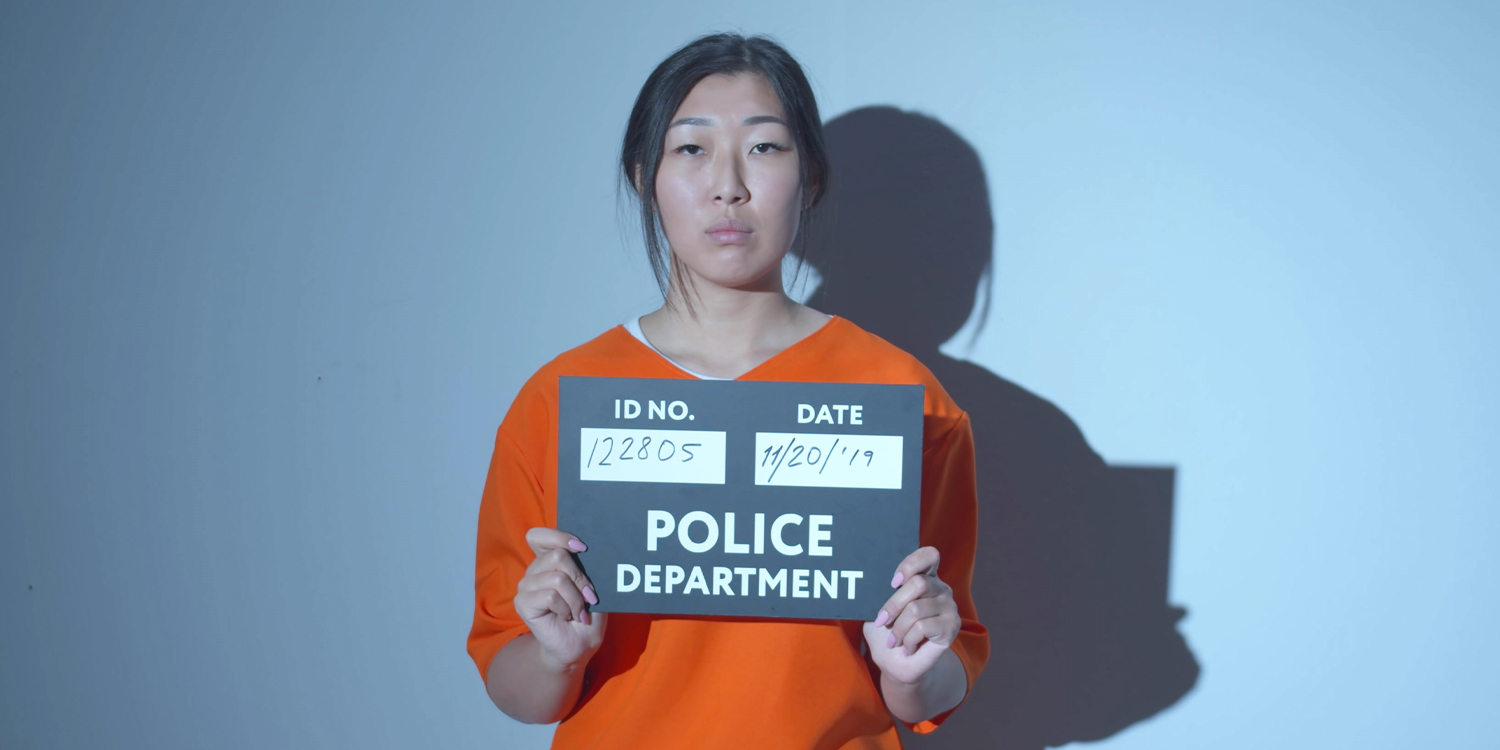
A new systematic review published in Deviant Behavior concludes that women who kill their intimate partners are frequently assessed through rigid gender stereotypes by the media, juries and judges. The study, led by Sally Crosland with colleagues at the University of Huddersfield, surveys two decades of research and finds that defendants who do not fit the passive, helpless victim mould attract greater blame and harsher judgments. The authors warn that such stereotypes can obscure the real-world dynamics of domestic abuse, mental health struggles and substance use in courtroom settings.
Intimate partner homicide refers to the fatal killing of a current or former spouse, boyfriend or girlfriend. Globally, about one in seven homicides involve a romantic partner. While men commit most of these killings, estimates vary; one United States estimate places men’s rate at four to five times that of women, while another suggests 60 to 70 women killing a partner for every 100 men.
Often, a woman’s killing of an intimate partner follows prolonged domestic abuse or occurs in immediate self-defence. Relationships frequently feature bidirectional violence, where both parties engage in aggression, though violence is sometimes labelled as mutual even when one partner is primarily acting in self-defence. Misunderstandings about how mutual fighting and long‑term abuse operate can complicate the legal assessment of a woman’s actions.
Violent behaviour clashes with traditional expectations of women as nurturing and gentle. The review notes that female offenders are frequently pigeonholed into clichés: they are “mad” when mental illness is invoked, “sad” when portrayed as battered victims, or “bad” when depicted as evil or monstrous. The idea of “double deviance” describes how breaching both law and gender norms can prompt audiences and jurists to view the defendant as abnormal or monstrous.
The analysis highlights the role of benevolent sexism, a bias that retains women as deserving of protection only while they conform to traditional, gentle roles. When women step outside these boundaries by using lethal force, the press and courts are prone to punitive interpretations, often downplaying prior domestic violence in their histories. A 2023 Scottish media study cited in the review found that portrayals of women who killed abusive partners could worsen even as understanding of abuse improved, influenced in part by courtroom remarks from judges.
To explore how these biases operate, the researchers drew on a 2023 study of perceptions by Sally Crosland and colleagues, which developed a questionnaire identifying four stereotype categories about women who kill their partners. Building on that work, the new systematic review examined studies from 2003 to 2023 across the United Kingdom, the European Union, Norway, Iceland, Switzerland, the United States, Canada, Australia and New Zealand, restricting to adult female perpetrators of intimate partner homicide and English-language outlets.
From an initial pool of 682 articles, the team screened 600 by title and abstract and whittled the field to 43 full-text papers, finally including 24 studies. These covered mock-jury experiments, court and coroner records reviews, media analyses and case studies. The authors sought not to judge accountability but to determine whether stereotyping influenced judgments more than case facts.
A recurring theme is the courtroom use of Battered Woman Syndrome. Originating to explain trauma and fear in prolonged abuse, the framework can aid jurors’ understanding of fear, but it may also normalise a perception of mental illness or irrationality, rather than reasonable self-defence. In one 2003 mock-jury study of 316 students, framing a battered woman’s experiences through a post-traumatic stress disorder lens increased sympathy and credibility, yet did not necessarily produce more lenient verdicts. In another mock-jury trial with 618 undergraduates, defendants who were described as having resisted their abusers in the past—rather than fitting a passive stereotype—received more guilty verdicts.
How blame is assigned also hinges on the specifics of each case. In one trial scenario, jurors judged women more culpable when abuse was emotional rather than physical. In another, the killing occurring while the partner slept led to harsher assessments, with male jurors more likely than female jurors to see the defendant as mentally stable and aware of her actions when waiting for sleep, a sign of greater perceived culpability.
Across the reviewed material, whether the victim was asleep emerged as a predictor of guilty verdicts. Self-defence laws typically require an immediate threat, yet long‑term abuse can generate a perception of imminent danger even between attacks, a nuance jurors may misinterpret.
Actual sentencing biases also appear. One Canadian study analysed 26 sentencing decisions between 1974 and 2006 and found judges often minimised violence by portraying the relationship as mutual fighting or by emphasising substance use, rather than abuse, thereby softening the portrayal of the perpetrator’s history.
Despite the enduring presence of the “mad,” “bad” and “sad” tropes, the review notes that those who do not fit these narratives are frequently demonised as cold and calculating. An Australian legal analysis of lesbian couple murders concluded queer women are sometimes depicted as “legal monsters” or unnatural figures in court and in the press, overshadowing evidence of mental health struggles.
The studies also showed that not all female homicides of partners are committed in self-defence. In a Quebec review of 276 coroner files, only 28 per cent of female offenders had a documented history of violence from the victim, with motives including revenge, arguments, separation, practical reasons and sexual jealousy.
Substance use emerged as a pervasive factor in many cases. In the same media-focused study, 57 per cent of official case reports involved mutual alcohol or drug use; a separate small study of 12 women found that one‑third had histories of alcohol abuse. Courts, however, sometimes framed alcohol use as evidence minimising the abuse suffered, while other analyses suggested drinking could be treated as an individual issue that places a woman outside the image of a deserving victim.
The authors caution that the review cannot quantify how often stereotyping occurs or how strongly it sways real juries due to the heterogeneity of the included studies. Much of the underlying evidence is older, spanning Canadian decisions from 1974, newspaper reporting from 1978 to 2002, and a murder case from 1989, with newer attitudes likely evolving over time. Incomplete police, court and coroner records also limited data on whether defendants had PTSD or other mental illnesses at the time of the offence, and the analysis was confined to English-language studies from Western nations with specific legal definitions of self-defence.
Looking ahead, the authors call for more cross-cultural comparisons of how different legal systems treat female defendants, better data on underrepresented groups, including sexual and gender minorities, and improved educational tools for legal professionals and expert witnesses to reduce reliance on outdated stereotypes in courtroom decisions.
The study, “Female Perpetrators of Intimate Partner Homicide: Stereotyping and Factors. A Systematic Review of Twenty Years of Literature, 2003–2023,” was authored by Sally Crosland, Calli Tzani, and Maria Ioannou.
