


Library card sign-ups are rising in parts of the United States as households look for ways to cut the cost of entertainment, technology and other everyday services during a period of continuing price pressures.
In Glenview, Illinois, the local library has partnered with businesses to offer cardholders discounts during September’s Library Card Sign-Up Month, including money off wine and a free month of robotics classes.
The offers reflect the expanding role of public libraries, which now provide free access to books, films, television programmes and digital services, as well as practical support that people might otherwise pay for.
Brooklyn Public Library recorded 150,018 new card registrations in the year to the end of August, a 16 per cent increase on the same period two years earlier. Glenview added 2,656 cardholders by August 31, up 8 per cent on the previous year, while borrowing of audiobooks, films, ebooks and streamed television rose by 38 per cent.
The increase comes as the cost of leisure continues to climb. Tickets for films, theatres and concerts are up 27 per cent compared with before the pandemic, while prices overall rose 3.4 per cent in the past year.
Libraries offer more than books
Digital lending platforms such as Hoopla and Libby allow library members to borrow ebooks, audiobooks and films without paying for subscriptions. A survey cited in the source material found that the average American spends $111 a month across subscription services.
Libraries are also providing help with technology. Carolyn Bennett Glauda, programmes and outreach manager at the Southeastern New York Library Resources Council, said librarians were being trained as “digital navigators” to help people obtain devices or use their own.
“Instead of having to go to the Apple Store or the Geek Squad, they can go to the library and get help with getting on Zoom or creating a resume or just troubleshooting strange problems, like with accessibility features,” she said.
Other initiatives include repair cafés, where visitors can fix lamps, clothes, jewellery and toys rather than throw them away. A library in Beacon, New York, even lends a robot cat intended to provide companionship for older people.
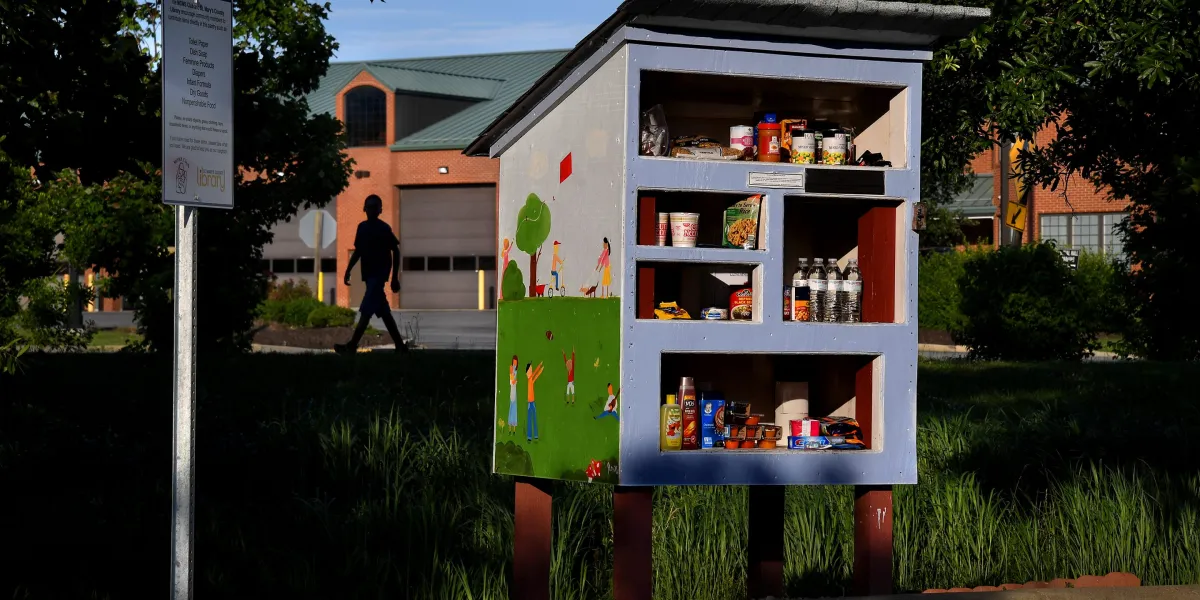
Libraries have also been used to connect people with food and community services. In Beacon, a food distribution van was allowed to park outside the library and hand out groceries, while a community refrigerator was moved indoors after repeatedly breaking down in bad weather.
“The things that are bringing people into the library are changing,” Ms Glauda said. “Libraries are kind of the last bastion of a place where you can go and get help for any number of things beyond just books and physical media.”
She said libraries had become more proactive in telling residents about the services available to them. “It used to be that people would come to the library and then find out. The common refrain is always, ‘Nobody ever told me that you had all of this,’” she said. “Now libraries are being a lot more proactive.”
Could library use signal a recession?
The rise in library use may offer an imperfect indication of how households are responding to economic pressure. A 2022 study of 541 highly rated US public libraries found that visits and checkouts per person increased modestly but significantly during the Great Recession.
Library card ownership reached 68 per cent of Americans in August 2008, weeks before the collapse of Lehman Brothers, according to a Harris Poll commissioned at the time by the American Library Association. However, an earlier study published in 1985 found no significant relationship between local economic conditions and library use, although registrations did rise alongside unemployment under less strict measures.
Higher sign-ups may also reflect changing habits rather than financial strain. Gen Z’s interest in analogue hobbies and the search for places away from digital devices could be contributing to the increase.
Libraries remain among the few public spaces where people can meet without being expected to spend money. They host activities including craft classes and puzzle exchanges, while some provide rooms for civic meetings and local office hours.
“It’s a meeting place where you don’t have to buy anything, and it’s open,” Ms Glauda said, adding that the alternatives were often churches or bars, where people either had to worship or pay.
