


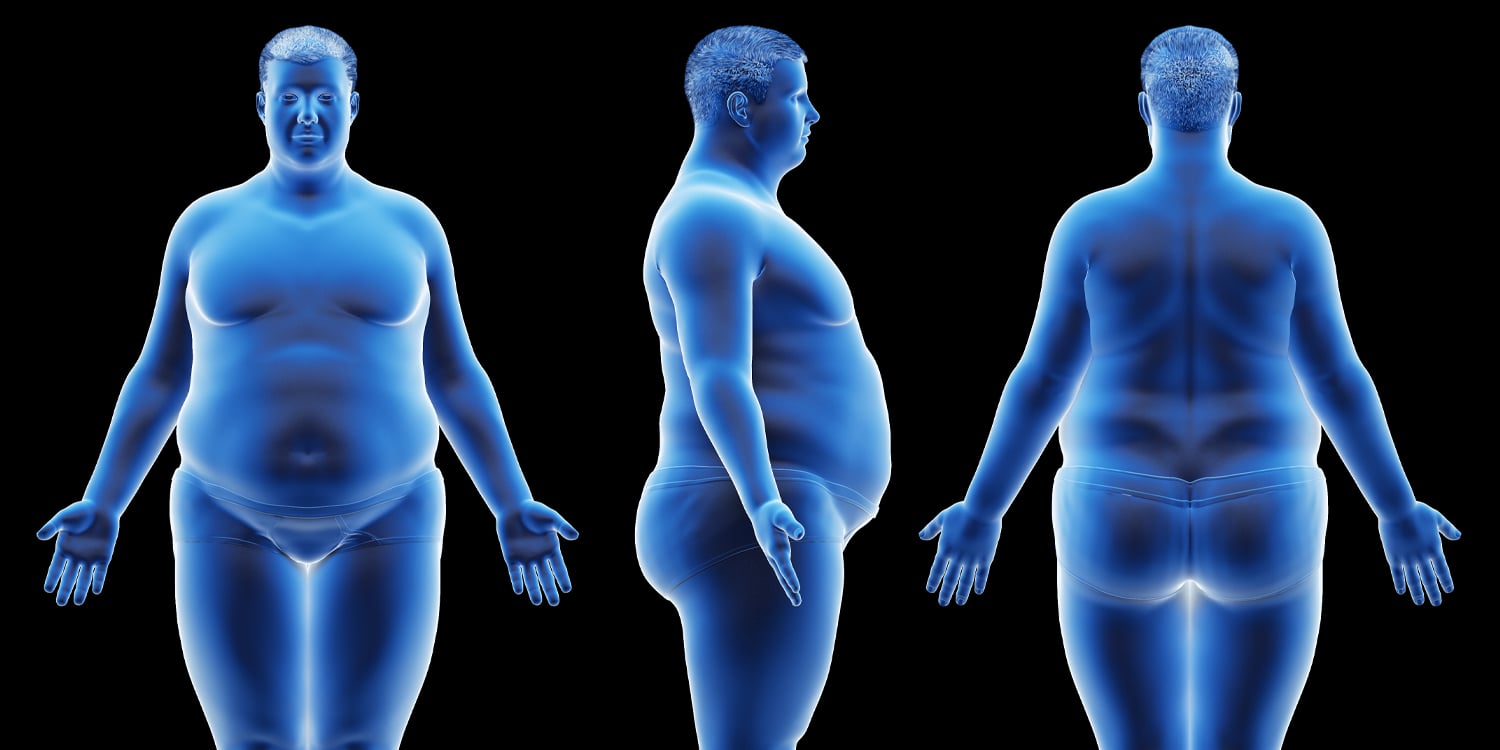
A new study has found that a measurement of body fat distribution known as the body roundness index may help identify depression risk in older adults experiencing cognitive decline, particularly among those with dementia. The research shows that dementia patients in the highest quarter of the body roundness index were more than three times as likely to experience depression compared with those in the lowest quarter, with the finding published in the Journal of Health Psychology.
Dementia is a major global health concern marked by objective cognitive deficits and functional impairment. The study notes that about 45 per cent of dementia risk factors are potentially modifiable, including depression and metabolic diseases, along with factors such as low educational attainment and sensory deficits.
Obesity has emerged as a prominent predictor of adverse cognitive outcomes in ageing populations. Excess fat tissue can trigger chronic, low‑grade systemic inflammation, which may disrupt normal brain activity and contribute to the progression of neurodegenerative symptoms.
The researchers also point to inflammation and oxidative stress, and disruptions in the body’s hormonal responses, as biological shifts that can contribute to depressive symptoms in older adults. In this context, accurately measuring body fat becomes important for understanding mood disorders in late life.
Traditional methods for assessing body fat in older individuals pose particular challenges. Body mass index, calculated from weight and height, does not distinguish between fat mass and lean muscle, a distinction that matters as muscle loss and bone deterioration are common in later life.
Waist circumference is another common metric but does not reliably reveal whether fat is subcutaneous or visceral, limiting its usefulness in evaluating metabolic health and mood risk. The study therefore explored whether alternative measures might better reflect fat distribution in older adults.
Led by Clarissa Pacheco da Rocha Fernandes of the D’Or Institute for Research and Education in Brazil, the research team—including corresponding author Felipe Kenji Sudo—sought to test the body roundness index as a potential predictor of mood disturbance in cognitive decline.
The body roundness index relies on a mathematical model that views the body as an oval, combining height and waist circumference to provide a more precise estimate of central fat accumulation than traditional weight‑to‑height ratios. The researchers aimed to determine whether this index could forecast depression among older adults with cognitive impairment.
In total, the observational study examined 601 individuals aged 60 to 91 who were evaluated at a specialised memory clinic in Brazil between 2015 and 2024. Participants underwent standardised clinical interviews and physical examinations to measure height, weight and waist circumference, from which various body indices were calculated.
Neuropsychologists administered a battery of tests to assess memory, language and executive function, and 239 participants were formally diagnosed with dementia. Mood was assessed using a widely employed 15‑item geriatric depression questionnaire, with data also collected on physical activity, alcohol use and medical history.
The researchers ran statistical models to see whether higher body fat measurements correlated with elevated depression risk. Across the full cohort of 601 older adults, no significant associations emerged between body measurements and depression in the general clinic population.
However, when the analysis was restricted to the 239 individuals diagnosed with dementia, a different pattern appeared. The body roundness index showed a strong link to depression in this subgroup, with those in the highest quarter having more than triple the odds of depression compared with those in the lowest quarter. This association persisted after adjustments for age, sex, education and general anxiety, and it held even when researchers accounted for conditions such as hypertension, diabetes and abnormal cholesterol levels.
By contrast, traditional measurements like body mass index and waist circumference did not perform as well in the dementia group. They displayed a non‑linear, U‑shaped relationship with depression, indicating that both very low and very high values were associated with increased depression risk, making them less reliable as simple screening tools in this context.
The authors suggest the body roundness index may be more effective because it better captures abdominal fat, or central adiposity, a factor known to influence brain networks involved in attention and processing speed—areas often affected in late‑life depression.
Biological pathways linking fat tissue to brain health are complex. The study notes that abdominal fat may influence genetic and molecular processes in the brain, and obesity‑related mechanisms could impair the brain’s ability to form new synaptic connections, potentially increasing vulnerability to mood disorders.
Several limitations are acknowledged. The cross‑sectional design captures only a single moment in time, so it cannot establish causation between abdominal fat and depression in older adults with dementia. The study took place in a specialised tertiary memory clinic and the participants were generally well educated, which may limit applicability to the broader community.
Dementia diagnoses were based on clinical criteria and cognitive testing rather than biomarkers, and the study did not employ brain imaging or cerebrospinal fluid analysis to determine the exact underlying disease processes. The fat measurements used are indirect estimates and do not match the precision of advanced imaging techniques such as dual‑energy X‑ray absorptiometry or MRI.
Looking ahead, the researchers advocate longitudinal studies to track changes in body shape over time and to explore whether shifts in the body roundness index precede mood disturbances. If confirmed, a simple, affordable screening tool like the body roundness index could support targeted preventive interventions in geriatric care.
The study was conducted by a team led by Fernandes, with contributions from Oliveira, Soares, Rodrigues, Bernardes, Molina da Costa, Assuncao, Teldeschi, Mendonca, Calil, de Souza, Drummond, Tovar‑Moll and Sudo, and it appears in the Journal of Health Psychology.
