


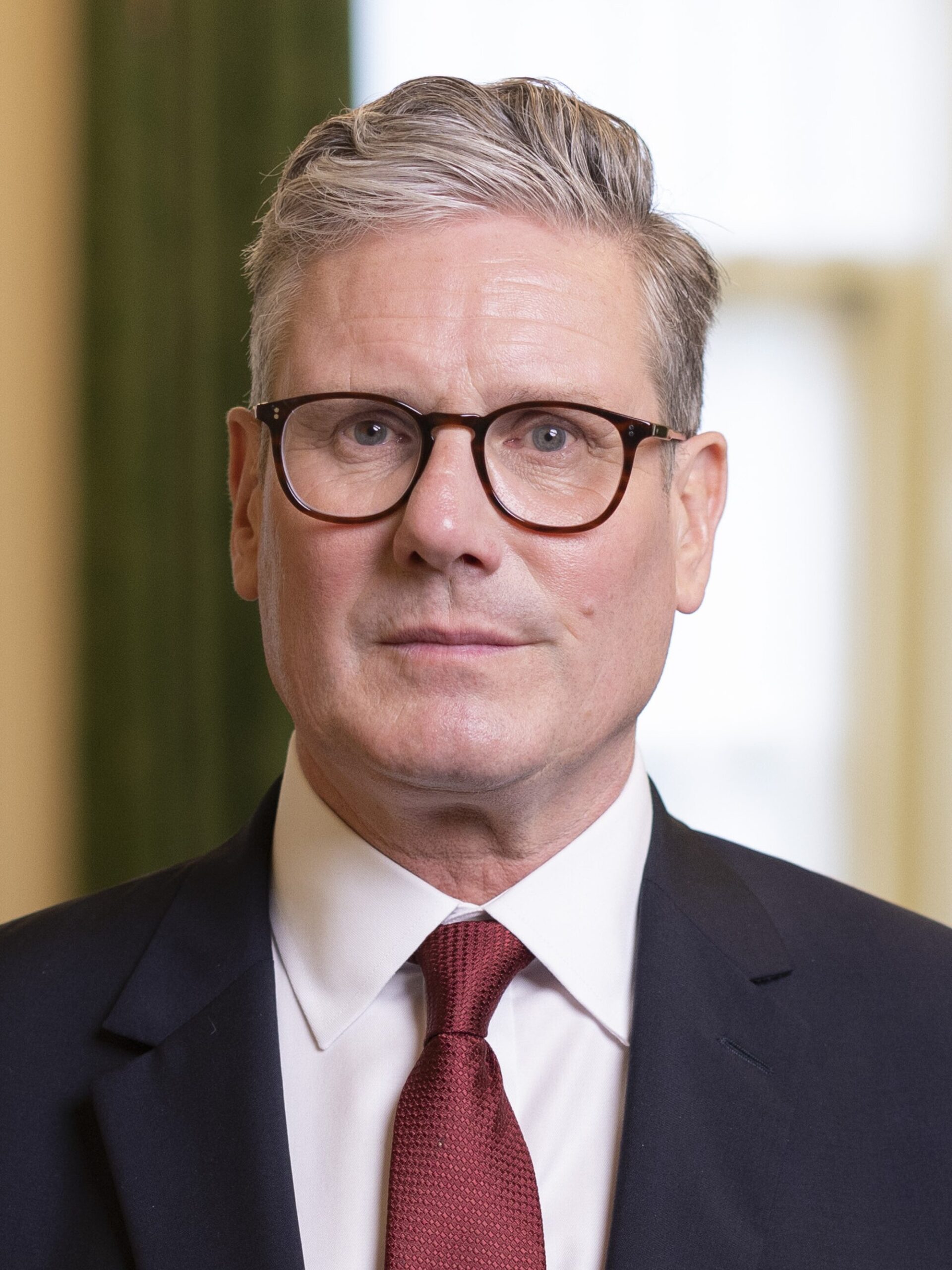
Sir Keir Starmer has indicated he wants Britain to deepen its economic relationship with the European Union, including greater cooperation on the single market, as the ongoing war in Iran reshapes the country’s foreign and economic priorities.
Speaking at a news conference, the prime minister said an upcoming UK-EU summit expected this summer would go beyond confirming existing agreements and would instead pursue a more ambitious agenda. The two sides struck a deal last May covering fishing rights, trade, defence and energy, but Sir Keir said this year’s meeting would seek to build considerably further on that foundation.
When asked directly whether the UK was moving toward rejoining the EU single market, the prime minister said he was “ambitious” about doing more in that area, describing it as being in the country’s economic interest. He nonetheless maintained that Labour’s manifesto commitments — ruling out a return to the single market, the customs union or freedom of movement — remained in place.
The shift in tone comes against a backdrop of growing tension between London and Washington. President Trump has criticised the prime minister in recent weeks following Sir Keir’s refusal to permit UK bases to be used in the initial US-Israeli offensive strikes against Iran, though Britain has since allowed their use for defensive purposes against Iranian missile attacks. Trump has also raised the prospect of withdrawing from Nato after European nations declined to join the Iran campaign. Sir Keir said the UK remained “fully committed” to the alliance and described it as the most effective military alliance the world had ever seen.
On the question of choosing between Washington and Brussels, the prime minister rejected the framing, arguing that stronger European ties would in fact reinforce the UK’s relationship with the United States, given that successive American presidents had long called on Europe to shoulder more responsibility for its own defence and security.
The economic consequences of the conflict are also bearing down on the government domestically. The OECD has warned that the UK faces the largest hit to growth among major economies as a result of the war, with rising wholesale oil and gas prices raising the prospect of higher household energy bills when the price cap is recalculated in July. Sir Keir acknowledged that much would depend on how long the conflict continued and how quickly the Strait of Hormuz — effectively closed to shipping since the war began — could be reopened.
Opposition parties are pressing the government to act now. The Conservatives, Reform UK and the Liberal Democrats have all called for the planned September fuel duty increase to be scrapped, while the Greens are demanding billions of pounds in energy bill subsidies from July. Plaid Cymru wants clarity on what support will be available if bills rise, and the SNP is calling for energy policy to be devolved to Holyrood. The prime minister said household support would be kept under review but stopped short of making specific commitments.
Chancellor Rachel Reeves separately told BBC Radio 2 she was “angry” at the decision to go to war without what she described as a clear exit plan, saying the conflict was causing genuine hardship.
On Thursday, Foreign Secretary David Lammy is hosting a virtual meeting of 35 nations — including European and Gulf states — to discuss steps that could make the Strait of Hormuz safe for shipping once the fighting has ended. Sir Keir described reopening the waterway as a matter of national interest, while cautioning that doing so would not be straightforward.
