


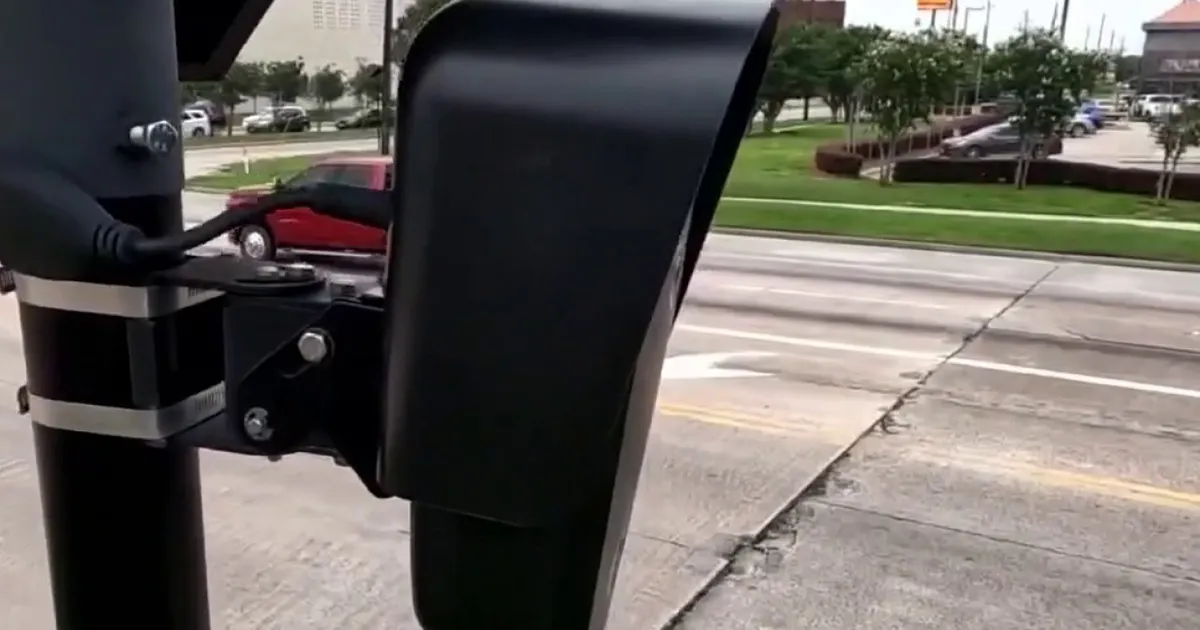
Tempe is weighing a ban on automated licence plate readers after ending its use of Flock Safety cameras, setting up a clash between privacy concerns and police claims that the technology is helping to solve crimes.
The proposed ordinance, introduced at a Tempe City Council meeting on 24 September, would prevent city agencies from using automated licence plate reader (ALPR) systems or entering into, renewing or extending contracts with companies that provide them.
Tempe stopped using the cameras in August and is ending its contract with Flock Safety, the city said. The proposed measure would place that decision in the city code and prevent similar arrangements in future.
Tempe police oppose proposed ALPR ban
Police chief Kenneth McCoy told councillors that the department could not support the ordinance in its current form, arguing that switching off the cameras had already affected active investigations.
“The Tempe Police Department does not support that ban and cannot support this ordinance as written,” Mr McCoy said.
He said some cases could have been resolved sooner if investigators had still been able to access ALPR data. The cameras capture vehicle and number plate information, which can then be searched by authorised users.
Councillor Bobby Nichols said the proposed ban had been developed with contributions from residents, subject specialists and city staff. The measure would nevertheless allow the city to receive or use ALPR information obtained through a search warrant, court order or subpoena, provided officials had not asked for the data to be collected.
It would also permit limited non-police uses, including managing car parks and garages, as long as the information was not passed to private companies to be added to searchable databases.
Tempe’s proposal comes as other Arizona agencies cite cases in which the technology has assisted investigations. Casa Grande police said ALPRs helped identify suspects in a shooting, while Peoria police said the system helped locate an 80-year-old person.
Ross Teeple, the Pinal County sheriff, said his agency had seen benefits but concluded they did not outweigh the privacy risks. He compared the technology’s ability to track vehicles over time with placing a physical tracker on a car, which would require a search warrant.
Mr Teeple said he would support state rules imposing safeguards without removing access to the technology altogether. He has ruled out an immediate return to Flock Safety in Pinal County, telling federal lawmakers that “Flock has become a four letter word” in the county.
The Tempe ordinance is not yet law. It is due to return to the city council for a second reading and vote on Thursday, 15 October.
