


The Trump administration is preparing a $2.8 billion bomb sale to Israel, including 40,000 907kg (2,000-pound) munitions, amid criticism over the potential impact on civilians in Gaza and Lebanon.
The package would be funded through Foreign Military Financing, under which Washington provides money for Israel to purchase US weapons. It includes 20,000 MK-84 general-purpose bombs, 20,000 BLU-117 bombs and I-2000 Penetrator warheads designed to strike hardened underground structures.
The proposed deal has been informally notified to congressional committees. The State Department said it did not comment on arms sales before formal notification to Congress, while a senior administration official said foreign weapons sales were moving through the “appropriate process”.
Criticism over Israel bomb sale
The MK-84 is regarded as one of the most destructive munitions in Western arsenals. The bomb can send metal fragments hundreds of metres and penetrate thick concrete.
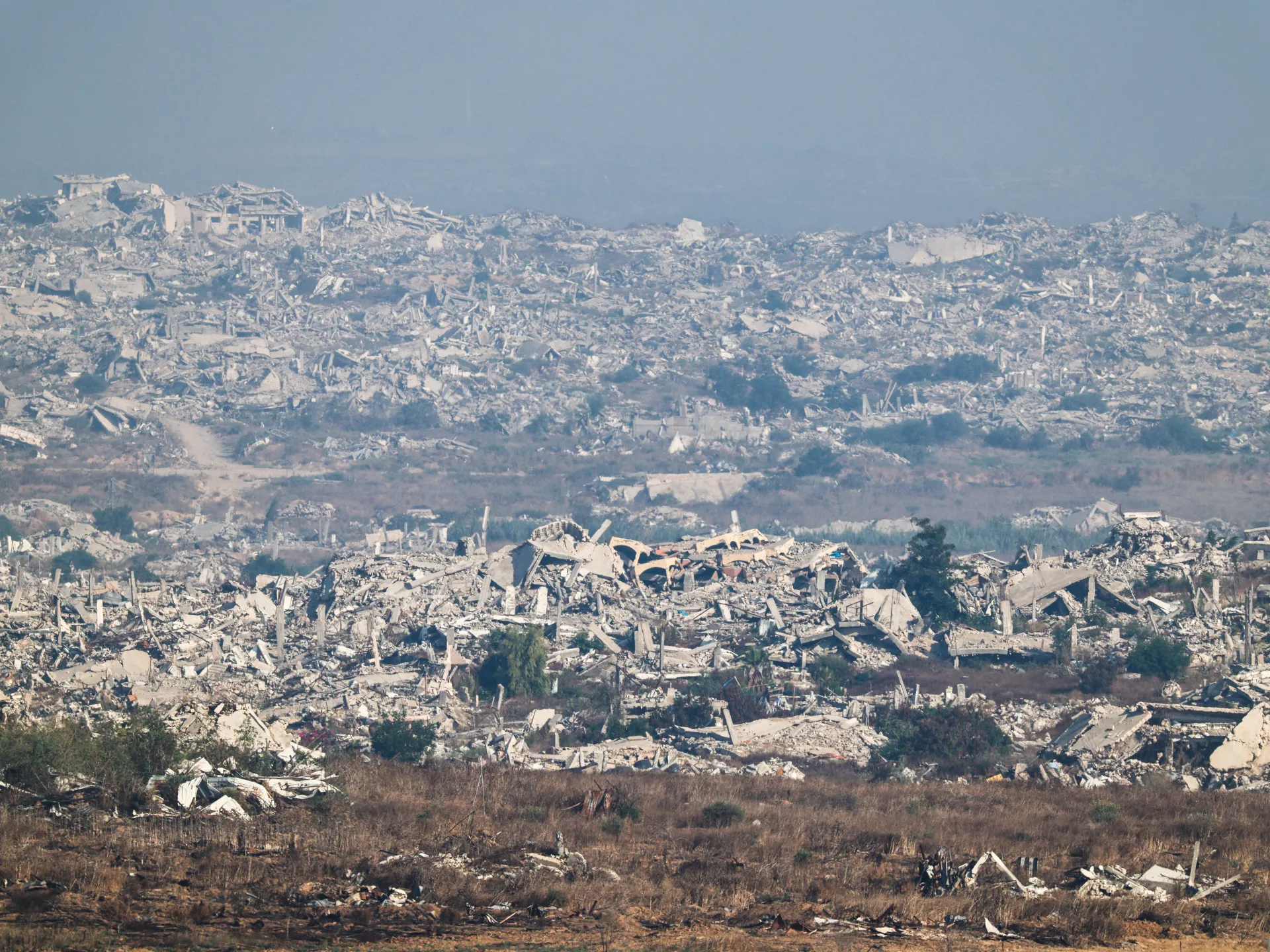
Israel has used 907kg bombs hundreds of times in Gaza and Lebanon, including in areas it had designated as safe for civilians, drawing sustained criticism from rights groups.
Joe Biden’s administration paused one shipment of the bombs in 2024 over concerns about civilian casualties. It was the only munition withheld during the Gaza war before Donald Trump reversed the decision in his first month back in office.
US Senator Chris Van Hollen said he would work to block the sale, accusing Mr Trump of “sending bombs paid for by American taxpayers to a government led by a wanted war criminal”.
Former congresswoman Marjorie Taylor Greene said: “We did not vote for this. America does not support this. Our tax dollars and weapons have been used to kill tens of thousands of innocent people.”
Conservative commentator Tucker Carlson described the package as “a gift” to the Israeli government, which he accused of “working to exterminate an unarmed civilian population in Gaza”. He called on senators and other lawmakers to oppose the deal.
Brian Finucane, a senior adviser with the US programme at the International Crisis Group, said the sale “sends a vote of confidence to Israel”, even if that was not the administration’s intention, at a time when it says it wants to calm the region.
The planned sale comes as tensions grow between Mr Trump and Israeli Prime Minister Benjamin Netanyahu, alongside increasing bipartisan unease in Washington over unconditional military support for Israel. Analysts said Israel could be seeking to secure extensive US backing now because a future administration might be less consistently supportive.
