


American car buyers turned their backs on modest family saloons in July, instead pushing demand for SUVs and premium vehicles to levels not seen since before the financial crash, with industry-wide sales climbing five percent to more than 1.5 million vehicles in a single month.
The figures, compiled by Autodata Corp, point to a market that has firmly rejected recession-era expectations that consumers would downsize and spend more cautiously. Instead, luxury brands now account for 11.5 percent of all vehicles sold in the United States so far this year, up from 10.2 percent three years ago, according to car shopping platform TrueCar.
Subaru led all manufacturers with a 10.5 percent sales increase compared with the same month last year, while General Motors, Fiat Chrysler and Hyundai each recorded six percent growth. Honda and Nissan both posted eight percent gains, and Ford’s US sales rose five percent.
The appetite for sport utility vehicles was particularly striking. Nissan’s Rogue SUV recorded a 51 percent jump in July sales, while GM’s Buick Encore rose 68 percent. Jeep sales were up 23 percent within the Fiat Chrysler group, and Hyundai’s Santa Fe climbed 35 percent. Analysts attributed much of the SUV surge to petrol prices that ended July at around $2.70 per gallon nationally — low enough to make larger vehicles considerably less costly to run than in previous years.
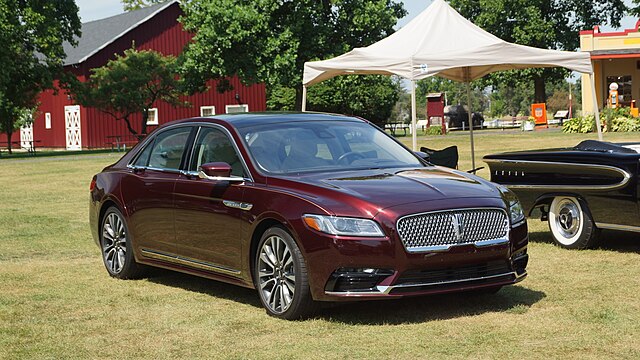
Luxury marques outperformed the broader market by a significant margin. Audi recorded its best July in US history, with sales rising 21 percent to more than 17,500 units. Lincoln matched that growth figure, shifting 785 Navigator SUVs in the month — roughly 25 per day — at a price point exceeding $62,000 each. Acura, Infiniti and Volvo all saw gains of between 15 and 20 percent.
TrueCar executive vice president Larry Dominique said the trend reflects a genuine cultural shift rather than borrowed wealth. Before the recession, the assumption was that luxury sales were inflated by homeowners borrowing against rising property values. But premium car sales rebounded strongly even before house prices had recovered, suggesting the demand is structural.
Luxury brands have also been expanding their reach by introducing more affordable entry-level models. Mercedes’ CLA sedan starts at $31,500, while Lexus launched a compact SUV priced from $34,480 — both within range of younger buyers. Dominique noted that millennials are now leasing luxury vehicles at a higher rate than any other generation.
Not every segment benefited. Saloon car sales continued to struggle, with Toyota’s overall figures held flat by falling car volumes, and Ford’s car sales dropping four percent despite strong truck numbers. Nissan’s all-electric Leaf saw sales collapse by 61 percent, a direct consequence of cheaper fuel reducing the financial incentive to switch.
Summer clearance deals on 2015 models provided a further boost in some areas. Zero-percent financing offers on the Toyota Camry, Ford Fusion and Nissan Altima helped reverse the saloon slump temporarily — Altima sales rose 27 percent and set a new July record for the model.
The industry is now on course for its strongest annual sales performance since before the 2008 recession, with rising stock markets and low interest rates continuing to support consumer confidence heading into the second half of the year.
