


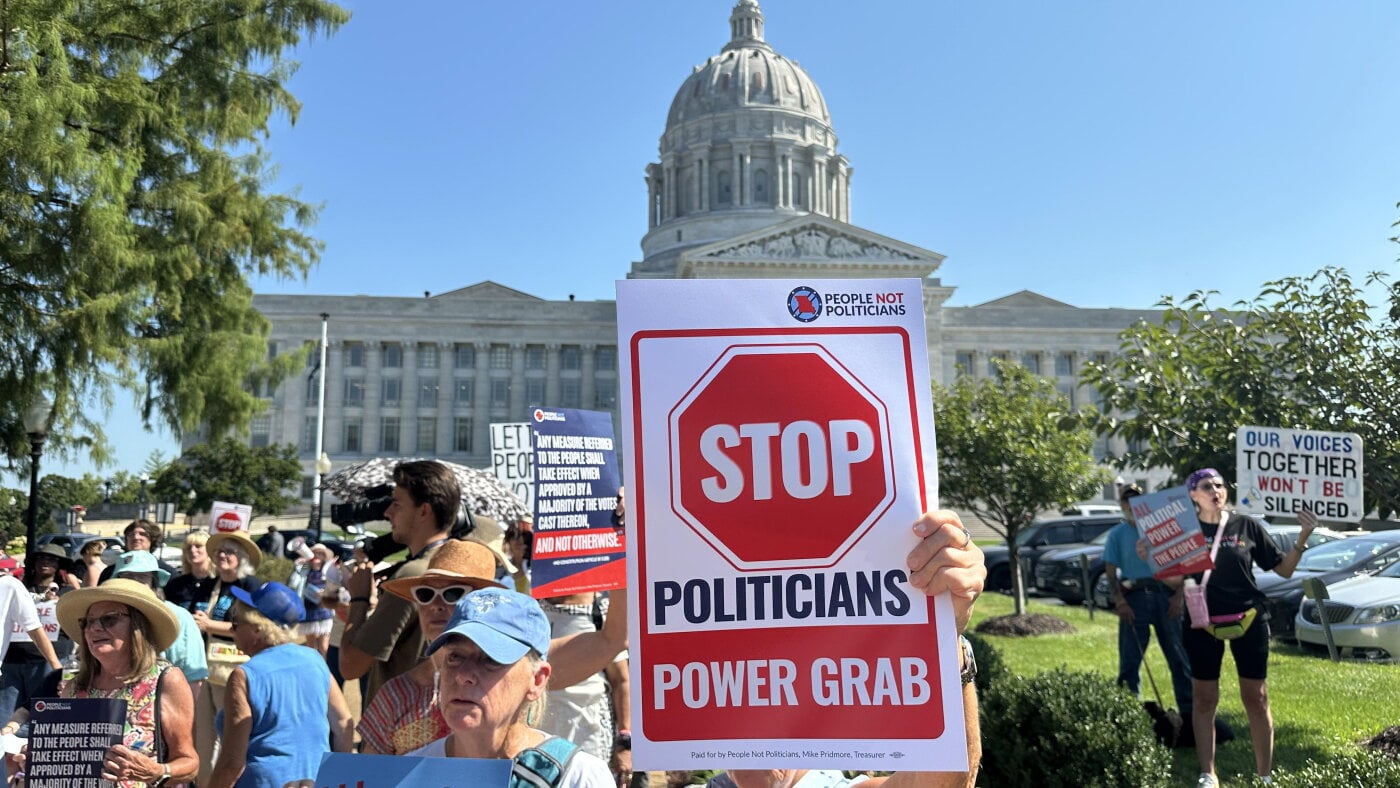
The US Supreme Court has blocked a congressional redistricting map in Missouri that was designed to give Republicans another seat in the House, ordering the state to use the districts in place for the 2022 and 2024 elections.
The ruling is the third time the court has rejected the plan, which could have increased the number of Republican voters in the district of ousted Democratic Congressman Emanuel Cleaver.
It also creates a reversal for Missouri’s election process, after the Republican-backed map was used in last month’s primary elections. The Supreme Court warned that changing the boundaries again would cause “electoral chaos”.
Missouri redistricting map blocked after court battle
The decision follows weeks of conflicting rulings in Missouri’s state courts and in the federal courts. Election officials had already begun mailing some absentee ballots using the old districts, with opponents arguing that it was too late to impose a new map.
Missouri lawmakers approved the replacement map last year at the behest of Donald Trump. It formed part of a wider Republican effort to create more conservative-leaning House districts and protect the party’s narrow advantage in Congress.
Opponents gathered enough signatures to force a public vote on the map in November. The Missouri Supreme Court ruled earlier this month that the map had never taken effect because it had not been approved by voters, despite its use in the August 4 primary.
That court criticised Republican Secretary of State Denny Hoskins for proceeding with the new boundaries before the vote. The US Supreme Court noted that Missouri’s state court had already said in May, before the primary, that voter approval was required.
The federal legal challenge took a different path. Republicans secured support for the map from a federal judge and then from a federal appeals court, sending the dispute back to the US Supreme Court.
Republican lawmakers argued that the map should remain in force because more than one million Missourians had voted under it in the primary. Those opposing the plan said voters had not approved it and accused Republican officials of prolonging the dispute while attempting to impose the new boundaries.
