


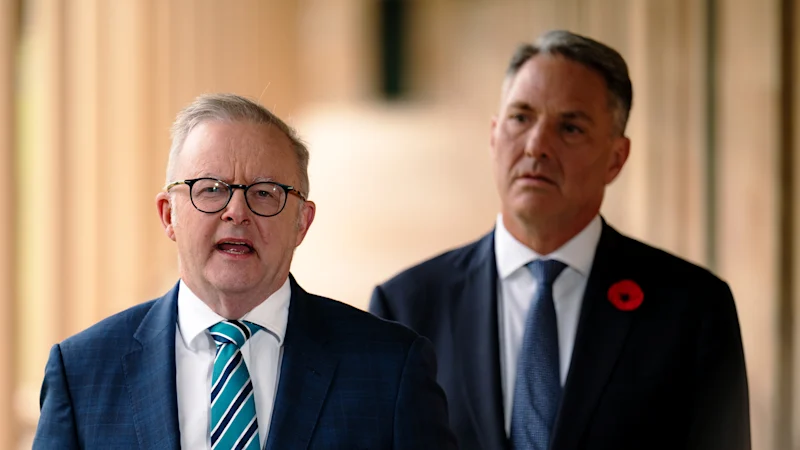
The Australian government has abandoned plans to sell Sydney’s Victoria Barracks, keeping the 186-year-old military site in public hands and promising greater access for the community.
Prime Minister Anthony Albanese announced the decision alongside Defence Minister Richard Marles on Sunday, eight months after Victoria Barracks was identified as the most prominent of 67 Defence properties proposed for sale.
The disposal programme was intended to raise $3 billion and reduce annual upkeep costs by $100 million, with the savings directed to the Defence budget.
Victoria Barracks will instead be transferred from the Defence Department to the Finance Department. Defence personnel are expected to move to Randwick Barracks and Defence Plaza in Sydney’s central business district, allowing the historic site to be opened more widely.
The Australian War Memorial will advise the government on how the barracks’ history should be presented. Part of the site may be used commercially to help fund maintenance, while areas without heritage protection could be developed.
The change follows opposition from RSL NSW, heritage groups and former governor-generals, as well as former prime ministers Paul Keating, John Howard and Tony Abbott. NSW Premier Chris Minns, the Coalition, Greens, teal independents and One Nation also criticised the proposed sale, alongside demonstrations and media campaigns.
The government has also reversed plans to sell part of HMAS Penguin. The Angophora red gum forest within the Balmoral naval base will be transferred to the Sydney Harbour Federation Trust, while the remainder will stay with the Australian Defence Force.
Mr Albanese said he had not previously visited Victoria Barracks before holding a press conference there to explain the decision. “This is an asset for Sydney that should be opened up for Sydneysiders,” he said. “Most Sydneysiders have not been to this beautiful site.”
Public access is currently limited because the barracks remains an active military establishment, with high sandstone walls and tight security restricting entry.
Questions remain over how the site will be managed, the cost of maintaining it and the extent of any commercial development. However, its continued public ownership means the government will remain responsible for decisions about its future use and preservation.
