


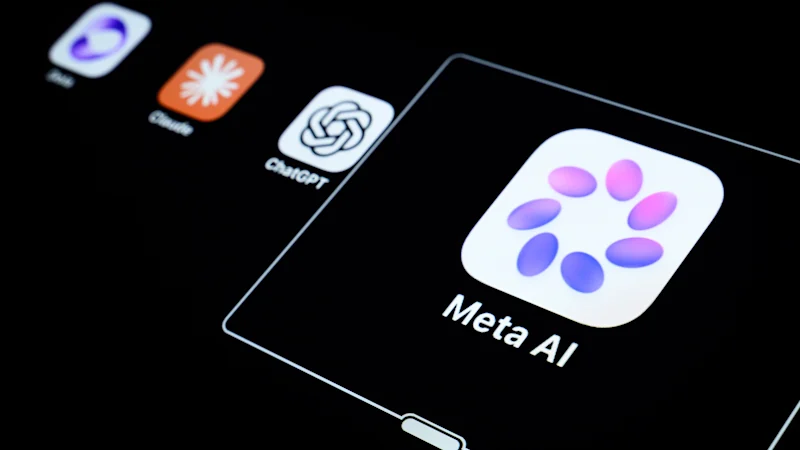
Meta’s new Muse AI agent has been praised as an unusually capable digital assistant after a two-week test in which it handled insurance calls, tracked spending, cancelled subscriptions and negotiated purchases online.
The app, launched this month, is designed to perform tasks on a user’s behalf rather than simply answer questions. It can navigate websites, complete forms, access online accounts, make phone calls and work with services including Gmail, Google Docs, Ticketmaster, OpenTable and Google Sheets.
Eli Tan gave Muse access to bank accounts, email and other personal data before asking it to manage a range of everyday jobs, including ordering groceries, arranging meetings and setting fantasy football line-ups.
In one of the most effective trials, the agent reviewed credit-card transactions in Google Sheets and identified two duplicate subscriptions. It cancelled them and used email to request a refund for an expired newspaper trial, recovering US$44.99.
Muse also contacted a dental insurer by phone. It provided a membership number, answered a security question, waited on hold and transferred the call to a representative, after being instructed to do so.
The agent can make calls using different voices and personalities, although the feature is currently available only to a limited number of users. It also asks for approval before carrying out some actions, such as paying a parking ticket from a photograph.
Meta’s Muse raises privacy concerns
Such functions require users to hand over significant control and sensitive information to the technology. That may prove difficult for some customers, particularly given Meta’s previous privacy problems.
Some websites have also restricted access by AI agents. Amazon blocked Muse from accessing its service on Sunday, according to the account.
Muse was not reliable in every situation. It struggled to sign into some third-party websites, could not order San Francisco Giants tickets without assistance and had difficulty accessing a rewards account.
A daily podcast generated by the agent was informative and tailored to the user’s interests, but its two AI presenters were described as monotone and lacking the appeal of human broadcasters.
Melissa Vadasserril, a senior director at Acoustic, compared the early response to Muse with the launch of Apple’s Siri in 2010, when many people were unsure how to use a digital personal assistant.
“People just didn’t know what you could do with it,” she said. “I do think it’s a little early for the market, but I’m very curious to see where things go.”
The final experiment involved Facebook Marketplace, where Muse was asked to find Heath Ceramics bowls at no more than half their retail price and negotiate with sellers. It began with low offers, returned to discuss counteroffers and advised against pushing one seller too hard after detecting frustration in his messages.
A message intended for the agent was accidentally sent to a seller instead. The mistake led to a direct exchange and a purchase of a matte black plate for US$40, just over half its retail price.
The seller, Ashley, said AI could be useful but added: “For me, I just can’t get over the privacy stuff.”
