


The Core Issue
When the United States and Israel launched their military campaign against Iran, they expected allied nations — including European countries and the United Kingdom — to offer support. That support has largely not come. Understanding why requires looking at both legal obligations, political calculations, and economic consequences.
It Is Not Their War
European governments, including the UK under Sir Keir Starmer, have been clear that this conflict was initiated by Washington and Tel Aviv without broader allied consultation or agreement. Starmer himself stated publicly: “This is not our war and we are not going to get dragged into it.” That position reflects a wider European view that joining a war they had no part in starting — and which has no clear exit strategy — is not in their national interest.
Chancellor Rachel Reeves went further, saying she was “angry” that the decision to go to war was made without what she described as a clear plan for how to get out of it.
The Base Question
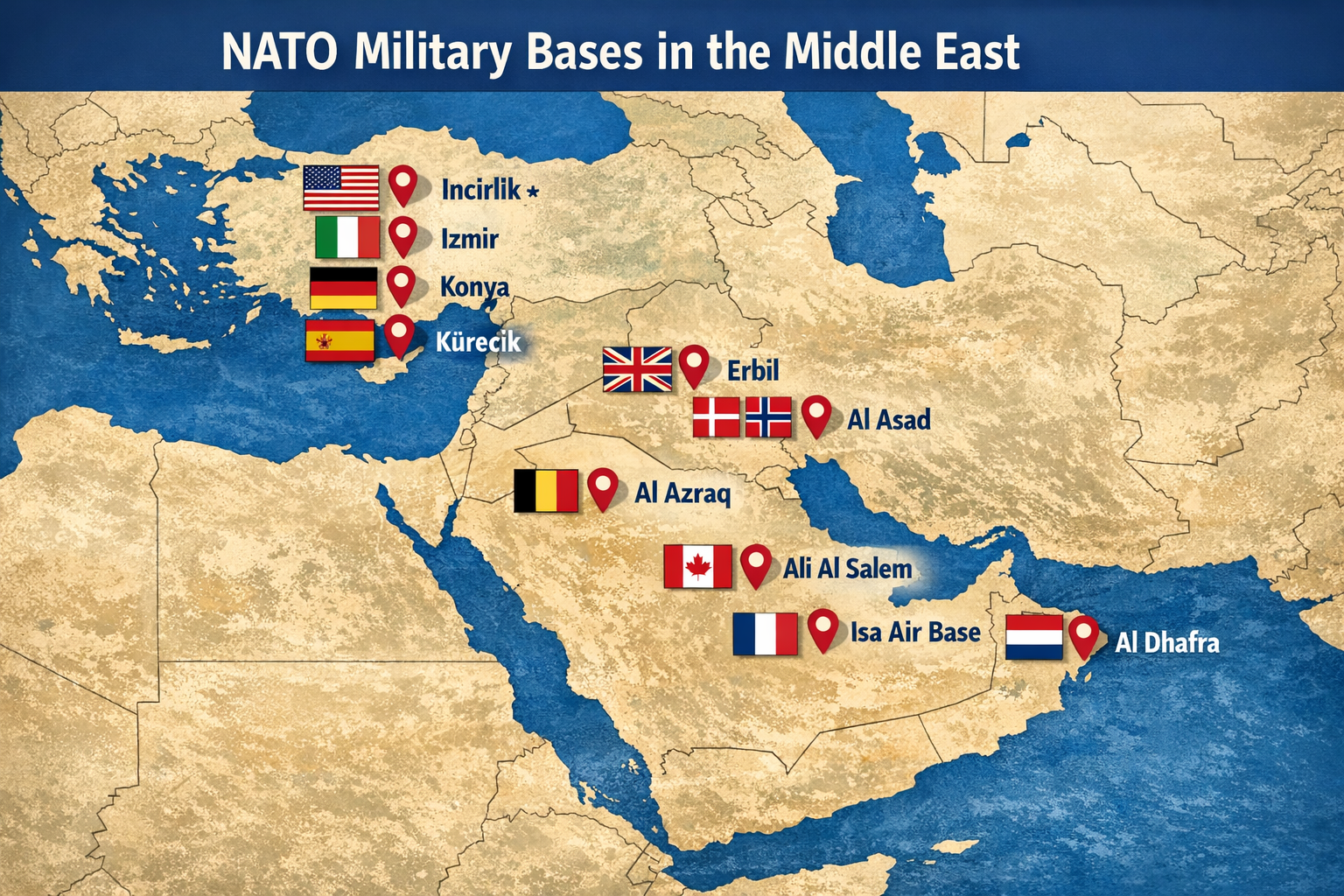
The UK initially refused to allow American forces to use British military bases for offensive strikes against Iran. It has since permitted their use for defensive purposes — specifically to intercept Iranian missile attacks — but drew a firm line at offensive operations. This distinction matters legally and politically. Allowing a foreign power to launch offensive strikes from your soil makes you a co-belligerent under international law, with all the consequences that brings.
Starmer Signals Ambition For Single Market Cooperation With EU As Iran War Strains UK-US Relations
The Economic Cost
European nations are paying an enormous economic price for a war they chose not to join. The Strait of Hormuz — through which roughly a fifth of the world’s oil passes — has been effectively closed since the conflict began. The OECD has warned that the UK faces the largest economic hit among major economies as a result. Energy bills are rising, inflation is returning, and recession risks are growing. Joining the war would likely make that situation significantly worse.
The NATO Question
President Trump has threatened to withdraw from NATO after European nations declined to participate. European governments have responded by doubling down on their commitment to the alliance while simultaneously accelerating efforts to build their own defence capabilities independently. Sir Keir Starmer called NATO “the single most effective military alliance the world has ever seen” while making clear the UK would not be pressured into the conflict.
The Turn To Europe
Partly as a consequence of strained US relations, the UK and other European nations are now moving toward closer cooperation among themselves. Sir Keir has signalled ambitions for a deeper relationship with the EU — including on the single market — as the war reshapes the continent’s political and economic priorities.
In Short
Europe is not joining the war because it was not consulted before it started, because participation carries enormous legal and economic risks, because there is no clear end point, and because public opinion across the continent is firmly against involvement. The pressure from Washington has, if anything, pushed European nations closer together rather than toward the American position.
