An Iranian man and a woman have been detained by police after attempting to gain unauthorised entry to HM Naval Base Clyde at Faslane, the home of Britain’s entire nuclear submarine fleet.
Police Scotland confirmed the pair — a 34-year-old man and a 31-year-old woman — were arrested at the base near Helensburgh, Argyll and Bute, at around 5pm on Thursday. The nationality of the woman has not been disclosed. Inquiries are described as ongoing.
The Royal Navy confirmed the two individuals had made an unsuccessful attempt to enter the site, adding that it would not be offering further comment while an investigation remained active.
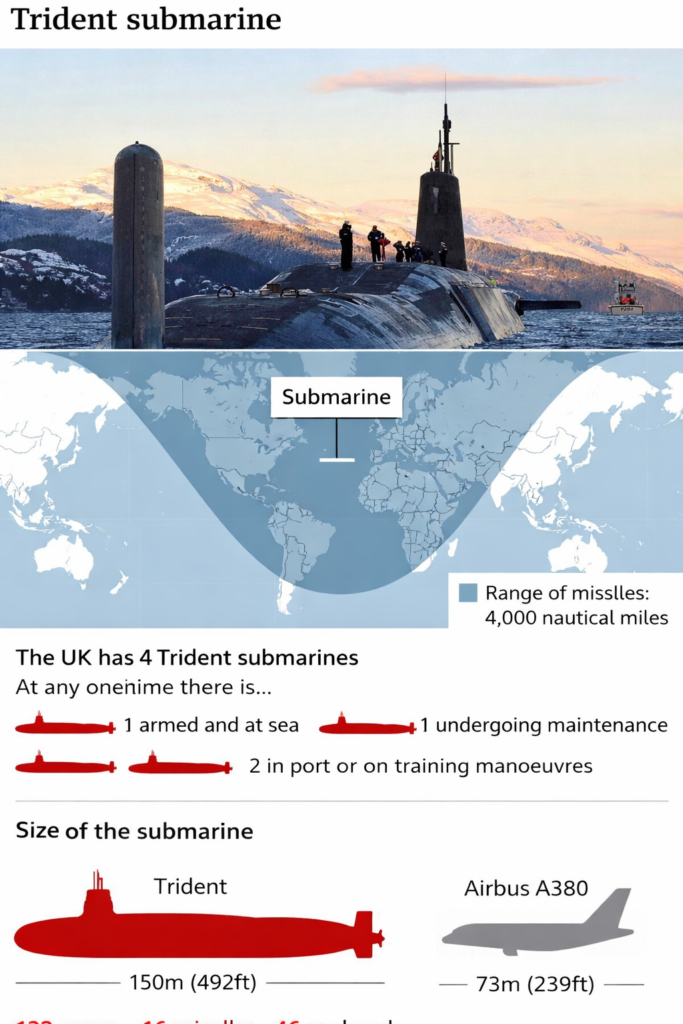
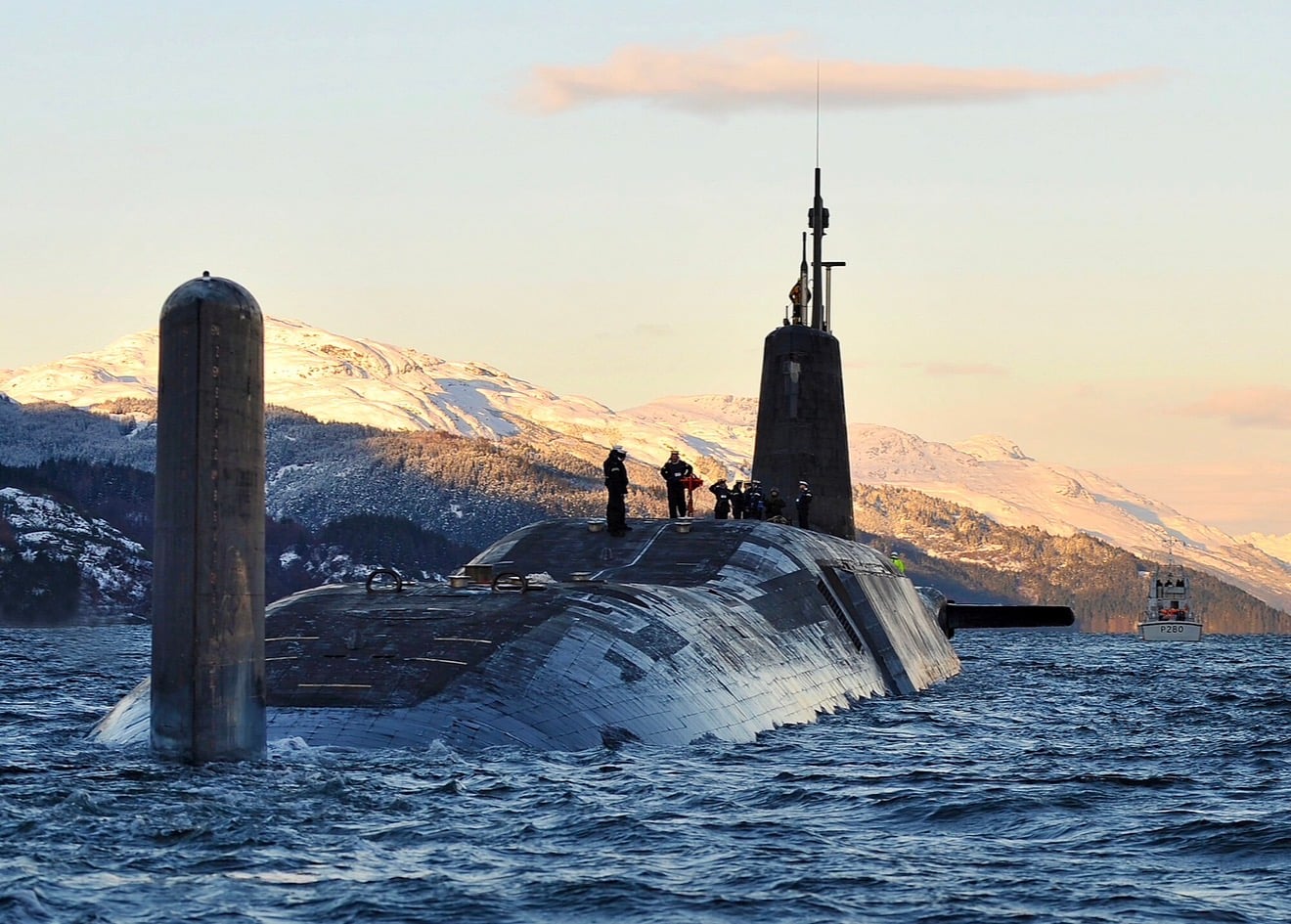
Faslane houses all of the Royal Navy’s nuclear submarines, including the Vanguard-class vessels which carry the UK’s Trident ballistic missiles. The base also operates Astute-class submarines, which are nuclear-powered but carry conventional weapons. The UK’s nuclear warhead stockpile is stored nearby at the Royal Naval Armaments Depot at Coulport on Loch Long.
The arrests come at a period of heightened international tension following wide-ranging strikes by the US and Israel on Iran, during which the country’s supreme leader was killed on 28 February. Iran has since launched retaliatory attacks against Israel and US-allied states in the Gulf.
Defence Secretary John Healey said the UK was in the process of reviewing its terror threat level, which currently sits at “substantial” — meaning an attack is considered likely. Prime Minister Sir Keir Starmer said protections for British bases and personnel had been raised to their highest level, though it was not immediately clear whether that applied solely to overseas postings in the Middle East and Mediterranean or extended to domestic bases as well.
Faslane has historically been a focal point for anti-nuclear demonstrations, with the Campaign for Nuclear Disarmament and other groups staging protests there over many decades. A peace camp has maintained a presence just outside the base since 1982.
Britain’s four Vanguard submarines currently form the sole delivery platform for the country’s nuclear weapons. The vessels are scheduled to be replaced by the new Dreadnought-class submarines after 2030. The UK has maintained a continuous at-sea nuclear deterrent since 1969, a posture that has seen armed submarines remain submerged and on patrol at all times through successive generations of the programme.