


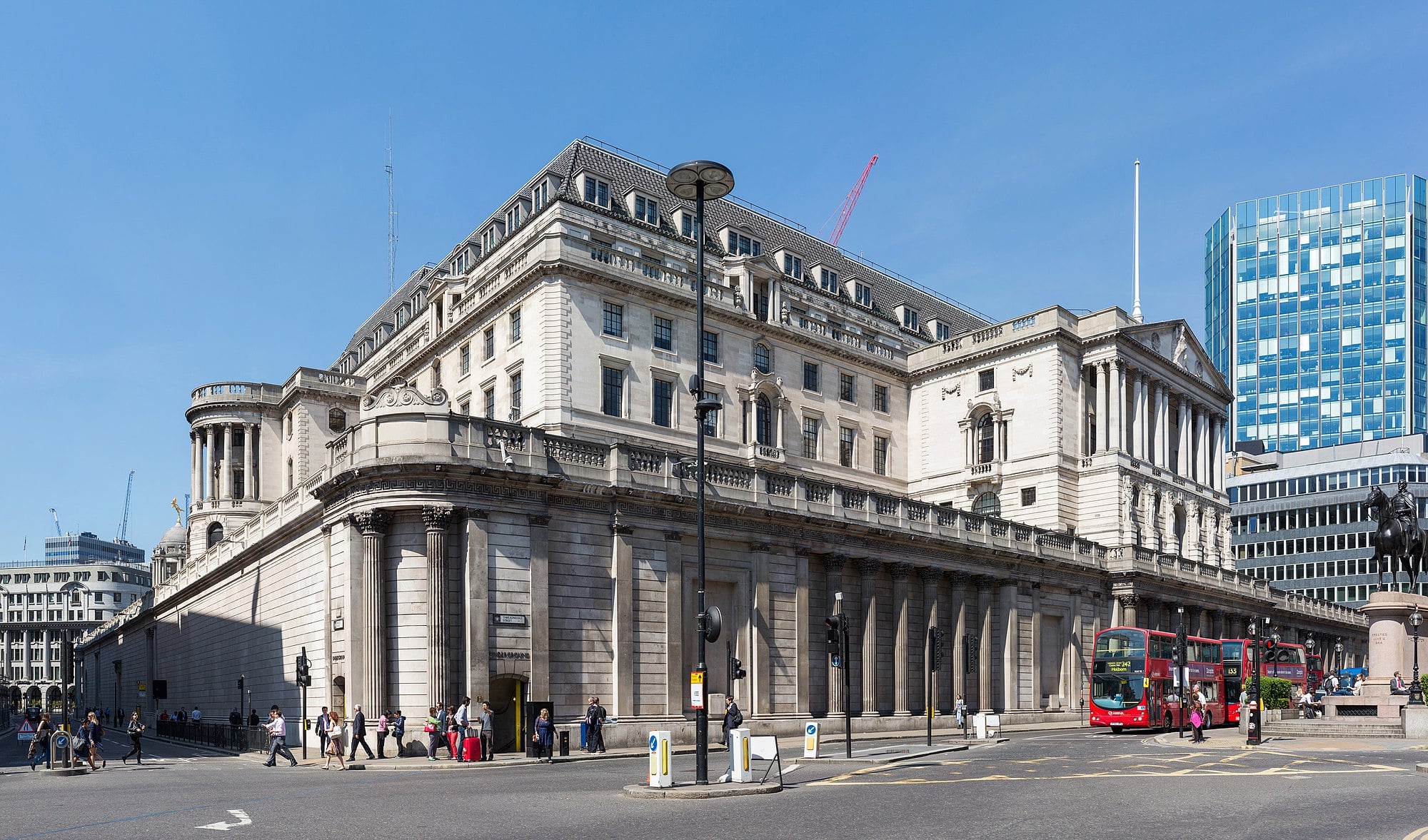
The Bank of England has voted to keep interest rates on hold at 3.75%, putting the brakes on a run of cuts that had been widely anticipated before the outbreak of conflict in the Middle East.
The decision, announced at midday on Thursday, marks a significant shift in the outlook for UK borrowing costs. As recently as February, most economists had forecast at least two rate cuts this year, with many expecting the first to come at today’s meeting. The outbreak of the US-Israeli war with Iran has since upended those predictions entirely.
Why the Bank Has Paused
The primary concern driving the hold is inflation. The surge in oil and gas prices triggered by the Iran conflict has raised fears that price rises — which had been gradually easing — could accelerate again. UK inflation currently stands at 3%, already above the Bank’s 2% target, and policymakers appear unwilling to cut further until there is greater clarity on where prices are heading.
Traders are now pricing in the possibility that rates could actually rise later this year, with September identified as the most likely moment for a potential increase to 4%. However, economists have urged caution about that outlook. Matt Swannell of the EY Item Club noted the bar for a rate hike remains very high, while Thomas Pugh, chief economist at RSM UK, suggested a rise was unlikely unless inflation climbs substantially higher.
What It Means for Mortgages and Savings
For homeowners on new fixed-rate deals, the picture has worsened in recent weeks. Lenders have been repricing their products upward as their own funding costs rise and uncertainty grows, meaning those coming off existing deals face higher monthly repayments than they might have expected just months ago.
Savers have seen modest improvements, with a small number of more competitive deals emerging. But overall activity in that market remains subdued, with little sign of the competitive pressure that tends to push rates higher.
Jobs and Pay Figures Add to the Pressure
Figures released by the Office for National Statistics on Thursday showed that wage growth — excluding bonuses — slowed to 3.8% in the three months to January, its weakest rate in more than five years and down from 4.1% previously. The unemployment rate held steady at 5.2%, close to a five-year high, though the number of workers on payrolls edged up by around 20,000 in February to 30.3 million.
Public sector pay grew at 5.9% over the period, compared with 3.3% in the private sector.
What Comes Next
With millions of households already facing higher energy bills this summer, financial experts are urging people to review their budgets carefully and seek guidance before making any significant decisions on borrowing or saving. The Bank’s next rate-setting meeting is scheduled for May, though the direction of travel will depend heavily on how the conflict in the Middle East develops and its knock-on effect on global energy prices.
