

Global oil markets swung sharply higher on Monday after Iran flatly rejected Washington’s assertion that diplomatic contact between the two countries had taken place, reigniting fears over the future of a critical international shipping route.
Brent crude climbed four per cent to $103.94 per barrel in Asian trading on March 24, recovering much of the ground lost in the previous session when prices had fallen by more than ten per cent. That earlier drop had come after Donald Trump suggested military action against Iranian energy facilities had been put on hold.
The rebound came as Iran’s foreign ministry denied that any communications with the United States had occurred, either directly or through third parties, contradicting claims made by the US president. Mr Trump had told reporters that exchanges between the two sides had been “productive” and that a resolution to the conflict remained possible. Tehran characterised those statements as an attempt to manipulate energy markets.
The dispute over diplomacy forms the backdrop to a broader military standoff that began on February 28, when the United States and Israel launched operations against Iran. Since then, Iran has effectively closed the Strait of Hormuz to commercial shipping, cutting off a waterway through which roughly a fifth of the world’s oil and liquefied natural gas normally passes.
Mr Trump indicated the strait could reopen “very soon” if talks progressed, and floated the idea of joint control of the waterway. His remarks came despite Tehran having already named Mojtaba Khamenei as its new Supreme Leader — a figure Mr Trump referred to without apparent acknowledgement of the appointment.
Israeli Prime Minister Benjamin Netanyahu added a further layer of complexity, indicating that Israeli military operations against Iran and Lebanon were continuing regardless of any diplomatic signals from Washington. He described the strikes as building leverage for any future negotiations.
Reports surfaced on March 23 of damage to two Iranian energy facilities — a gas pressure regulation station in Isfahan and a pipeline serving the Khorramshahr power plant — though the relationship between those strikes and the announced pause in US military action remained unclear.
Over the weekend, Mr Trump had issued a stark warning that Iranian power stations would face destruction unless the Strait of Hormuz was reopened within 48 hours. Iran responded by publishing a list of energy installations across the Gulf region it said would be targeted in retaliation.
Asian stock markets steadied on Monday despite the renewed volatility in oil. Japan’s Nikkei 225 rose 0.8 per cent, South Korea’s Kospi gained 2.2 per cent and Hong Kong’s Hang Seng climbed 1.6 per cent — a partial recovery following heavy falls the previous session.
Governments have begun taking steps to shield their economies from the impact. Washington has temporarily lifted sanctions on Russian and Iranian oil already in transit to ease supply pressures, while China announced on March 24 that it would scale back planned fuel price increases to reduce the burden on consumers.
With diplomatic positions from Washington and Tehran remaining publicly at odds, and military activity continuing on multiple fronts, energy markets are expected to remain volatile in the days ahead.
Iran Calls Trump’s Diplomacy Claims ‘Fake News’ As Oil Prices Shoot Back Above $100 A Barrel
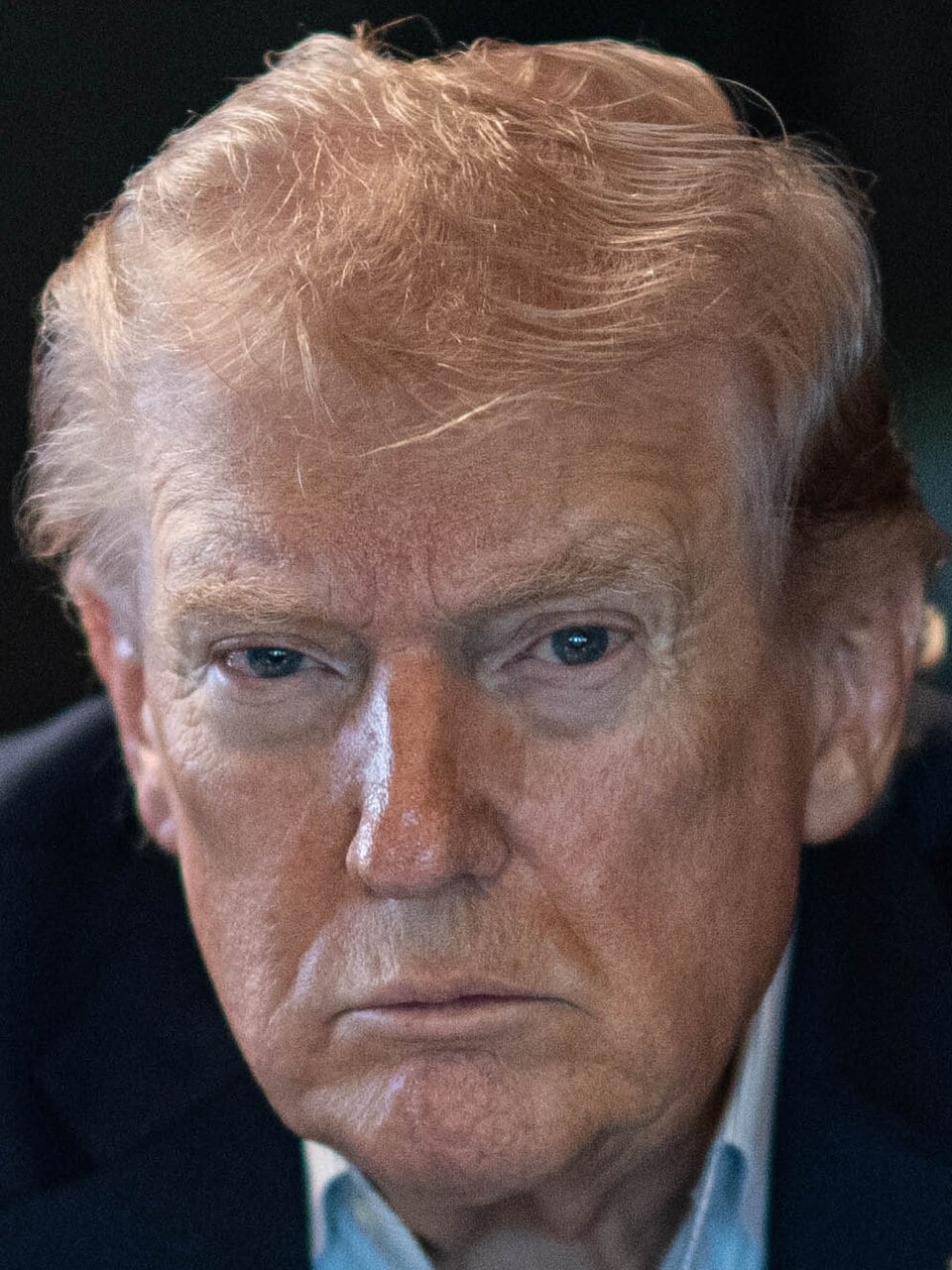
wikimedia commons

Lucas Bennett
Politics & Economy Ronan Walsh is a freelance journalist covering politics and the economy. He reports on UK and international political developments, public policy, and economic trends, with a focus on clarity, accountability, and real-world impact.
Add A Comment
