


Two people have died following an outbreak of invasive meningitis in Kent, with a Year 13 pupil at Queen Elizabeth’s Grammar School in Faversham and a University of Kent student both confirmed among the fatalities. A further 13 cases showing signs of meningitis and septicaemia were reported across the Canterbury area between Friday and Sunday.
With more than 30,000 students, staff and families now being contacted by the UK Health Security Agency, here is what you need to know about the infection, how to spot it and what protection is available.
What Is Meningitis?
Meningitis is an infection of the protective membranes surrounding the brain and spinal cord. While it can affect anyone, it is most common in babies, young children, teenagers and young adults. Bacterial meningitis, which is rarer than the viral form, is considered more serious and can lead to blood poisoning, sepsis and brain damage. When the infection enters the bloodstream or brain linings, it is referred to as invasive meningitis. The specific strain behind the current Kent outbreak has not yet been identified, though the majority of invasive meningococcal cases in the UK are currently caused by the MenB strain. In 2024-25, there were 378 recorded cases of invasive meningococcal disease nationally.
How Does It Spread?
The bacteria can be carried in the nose or throat without causing illness, but passed to others through coughs, sneezes, kissing or sharing utensils. Outbreaks are rare but can occur in settings where people congregate closely, such as university campuses. The Kent outbreak is believed to be linked to a social event in Canterbury attended by a number of those who fell ill.
What Are The Symptoms?
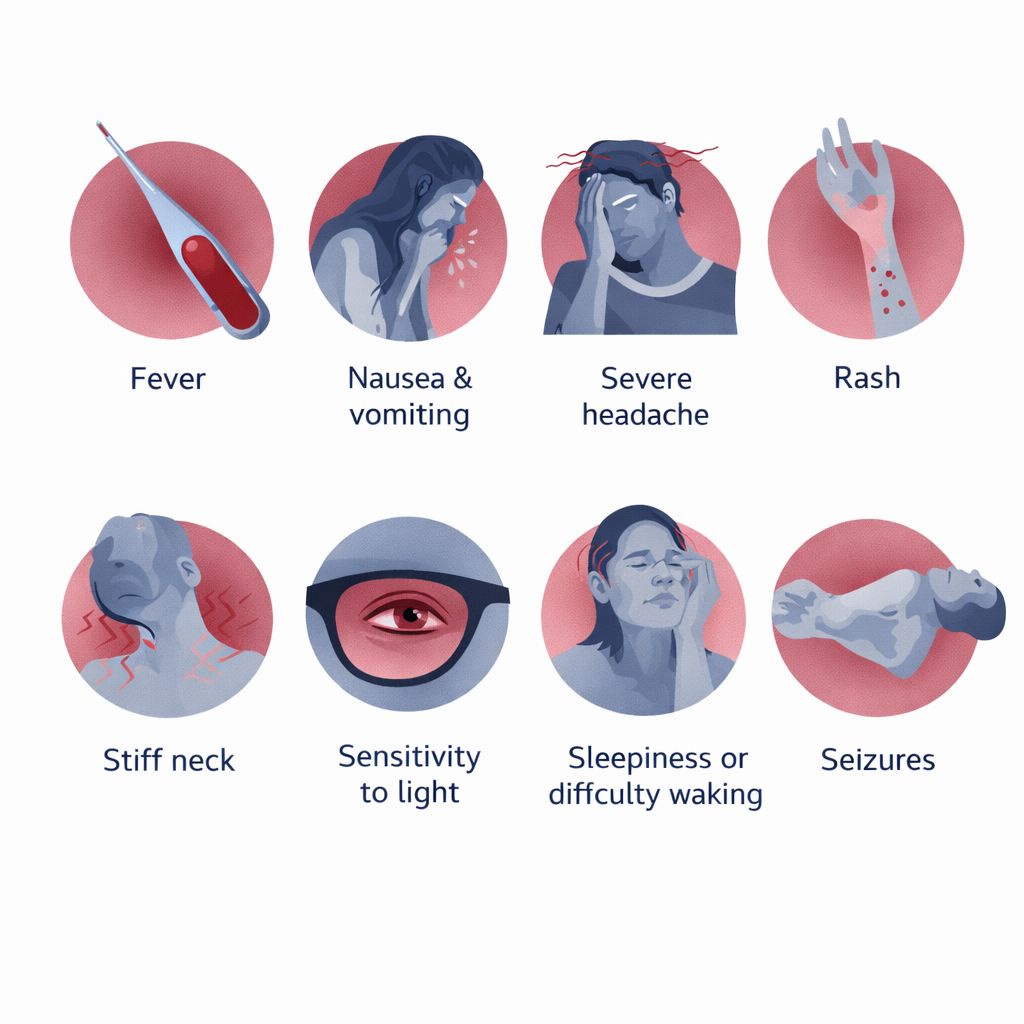
Symptoms can develop rapidly and should not be ignored. Key warning signs include a rash that does not fade when a glass is pressed against it, sudden high fever, a severe and worsening headache, a stiff neck, vomiting and diarrhoea, joint and muscle pain, sensitivity to bright lights, very cold hands and feet, seizures, and confusion or delirium.
Health officials have warned that students are particularly at risk of missing early symptoms because they can closely resemble a cold, flu or even a hangover. Anyone in the Canterbury area is being advised not to wait for all symptoms to appear before seeking help, and to check on friends who go to bed unwell.
Anyone experiencing symptoms should go immediately to their nearest A&E or call 999. Early treatment can be lifesaving.
Are There Vaccines Available?
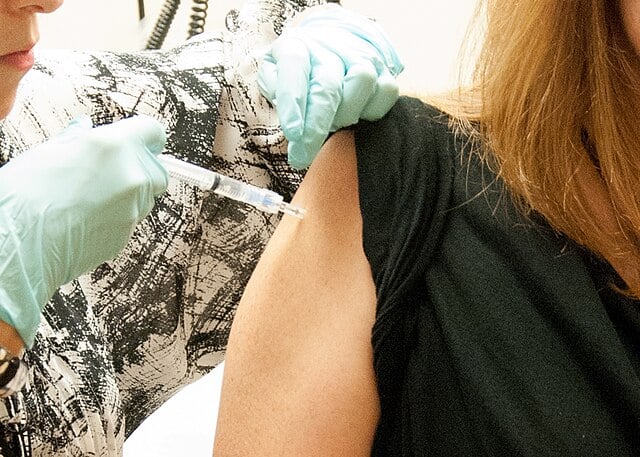
Two vaccines offer protection against the main causes of meningitis. The MenACWY vaccine protects against four bacterial strains and is offered to teenagers at age 14. It remains free for anyone who missed it at school up until their 25th birthday. The MenB vaccine is recommended for babies, given at eight weeks, twelve weeks and one year old.
Teenagers currently will not have received the MenB vaccine as it was only introduced into the childhood immunisation programme in 2015, meaning it was not available to older age groups. While some parents have paid privately for the jab, the NHS does not currently offer a catch-up programme for adolescents, with vaccine experts concluding it is not cost effective for that age group on the NHS.
Several other routine childhood vaccines also offer indirect protection against some causes of meningitis, including the six-in-one DTaP vaccine, the pneumococcal vaccine and the MMRV vaccine.
Anyone unsure of their vaccination history is advised to contact their GP or check their red book. Vaccine coverage has declined since the Covid pandemic, meaning fewer young people may currently be protected.
