


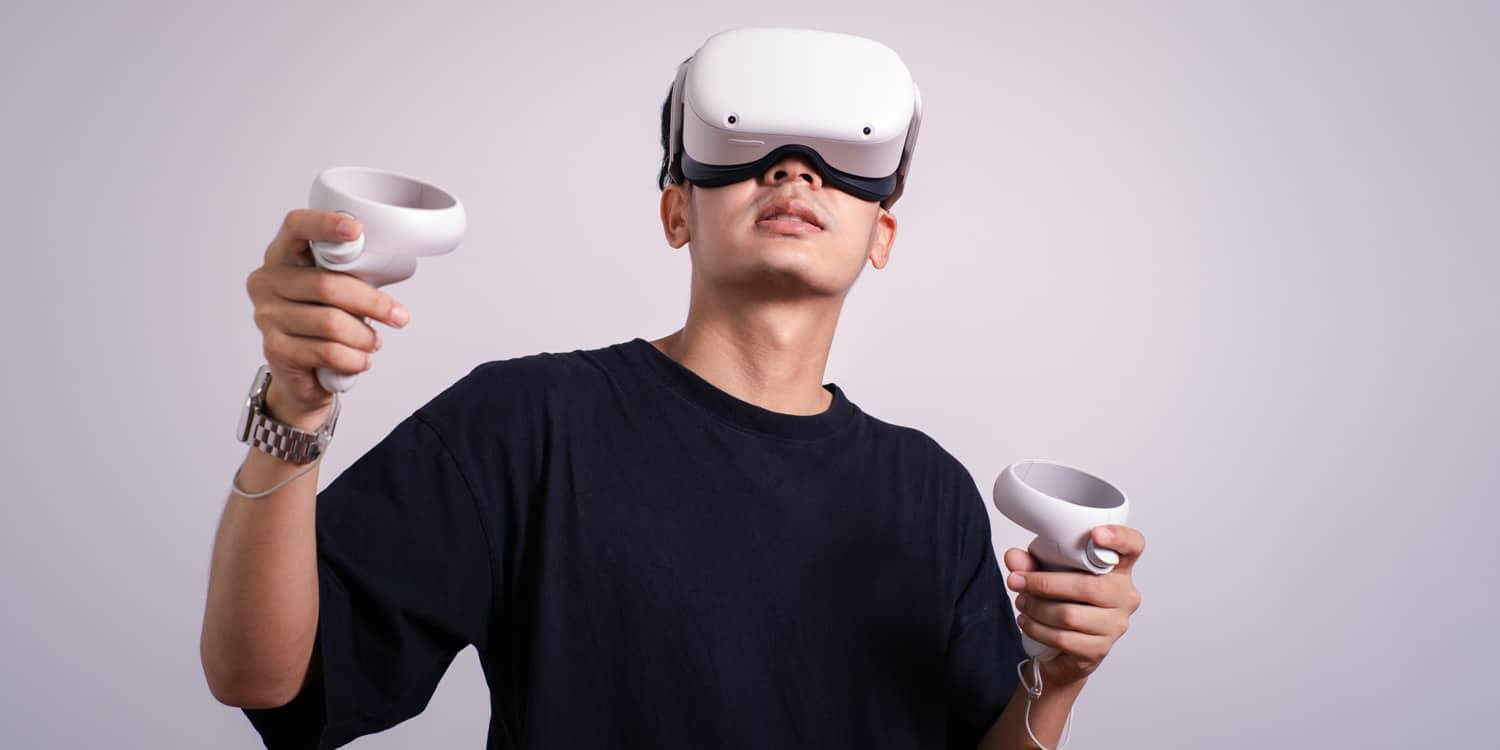
A new review published in Applied Psychophysiology and Biofeedback examines how integrating virtual reality with EEG-based neurofeedback may boost engagement and potentially aid users in learning to control their own brain activity. The work, led by researchers from the University of Graz—Silvia Erika Kober, Guilherme Wood and Lisa Maria Berger—concludes that while immersive VR feedback holds promise, firmer study designs are needed to confirm the precise benefits.
Neurofeedback involves real-time monitoring of brain activity, typically via electroencephalography (EEG), with sensors placed on the scalp. The system translates electrical signals into cues that guide the user toward targeted brain-wave patterns associated with particular mental states. Traditionally, this feedback has appeared as simple two‑dimensional graphics on a computer screen, such as growing bars or moving lines.
In recent years, developers have begun replacing flat graphs with three‑dimensional virtual environments. Users can, for example, cause a virtual flower to bloom or a digital spaceship to accelerate by modulating their brain signals. The Graz team conducted a comprehensive review of studies combining EEG-based neurofeedback with virtual reality, screening databases for relevant work and identifying 31 studies that met their criteria.
Their analysis revealed a wide variation in study design and sample size, with participant numbers ranging from single cases to about 100. Many of the papers utilised small samples—fewer than 50 participants in most cases—and employed diverse methodologies.
The range of applications covered both healthy volunteers and clinical patients, including individuals dealing with chronic pain, migraines, or the aftermath of a stroke. VR feedback scenarios were equally diverse, with tasks such as guiding a ball through a forest, interacting with virtual animals, or adjusting lighting in a digital auditorium using only brain activity.
Overall, the researchers found that participants tended to prefer virtual reality feedback over traditional screens, reporting higher levels of enjoyment, interest and perceived competence when engaged with immersive environments. This increased motivation could be particularly valuable in regimens that require many sessions over several months.
However, when it came to improvements in the core aim—enhancing a person’s ability to control their brain waves—the results were mixed. Some studies suggested faster attainment of target brain states in VR, while others found no difference between immersive and conventional formats.
Beyond immediate training gains, VR could help people transfer new mental skills to daily life. A key aim of neurofeedback is for patients, including children with ADHD, to regulate focus without reliance on a computer screen. Immersive simulations—such as a busy virtual classroom—could offer realistic contexts in which to practise maintaining attention amidst distraction.
The review also highlights several complicating factors that could limit VR’s effectiveness. Differences in headset brightness, field of view and overall visual complexity between VR and traditional displays may confound results, with brightness shifts potentially altering brain-wave frequencies and confusing whether relaxation or simply light exposure is driving changes.
Multisensory, visually rich environments can also become cognitively overwhelming. If a VR scene demands excessive attention, users may lose focus on regulating their mental state, undermining performance.
Physical side effects present another barrier. Cybersickness—nausea, dizziness and eye strain linked to virtual environments—appears more frequently and severely in women, according to the review, with potential implications for neurofeedback outcomes. Older participants, who may be less accustomed to VR interfaces, sometimes reported heightened fear and anxiety during sessions, underscoring that VR feedback is not universally suitable.
A major methodological caveat is the relative paucity of rigorous control conditions. Many studies tested only a single virtual reality condition without comparing it to traditional screens or sham feedback, making it difficult to isolate the unique impact of VR-based neurofeedback from the novelty effect of new technology.
The rapid expansion of consumer headsets and brain-reading devices also raises ethical questions. The authors warn of “neuroenchantment”—a tendency for people to overestimate the capabilities of neurotechnology because of its futuristic appeal—and caution against misleading advertising in home-based brain-training products.
Data privacy adds another layer of concern. An industry report cited by the authors notes that more than half of consumer neurotechnology companies allow some brain data to be shared with third parties. They emphasise the need for rigorous experimental designs paired with strict data protection standards as these technologies become more accessible.
The study—“Controlling Virtual Reality With Brain Signals: State of the Art of Using VR-Based Feedback in Neurofeedback Applications”—and its authors, Silvia Erika Kober, Guilherme Wood and Lisa Maria Berger, underscore the potential of VR-enabled neurofeedback while calling for careful, evidence-based development and robust safeguards before widespread adoption.
