


Democrats have accused Donald Trump of corruption over Jensen Huang’s reinstatement as chief executive of Nvidia, portraying the move as evidence of a system that favours wealthy and politically connected figures.
Huang resigned earlier this month after reports that he had affairs with a woman suspected of being a Chinese spy and with two Nvidia employees. He was reinstated on Monday after a unanimous board vote, following Trump’s public calls for his return and discussions with board members over the weekend.
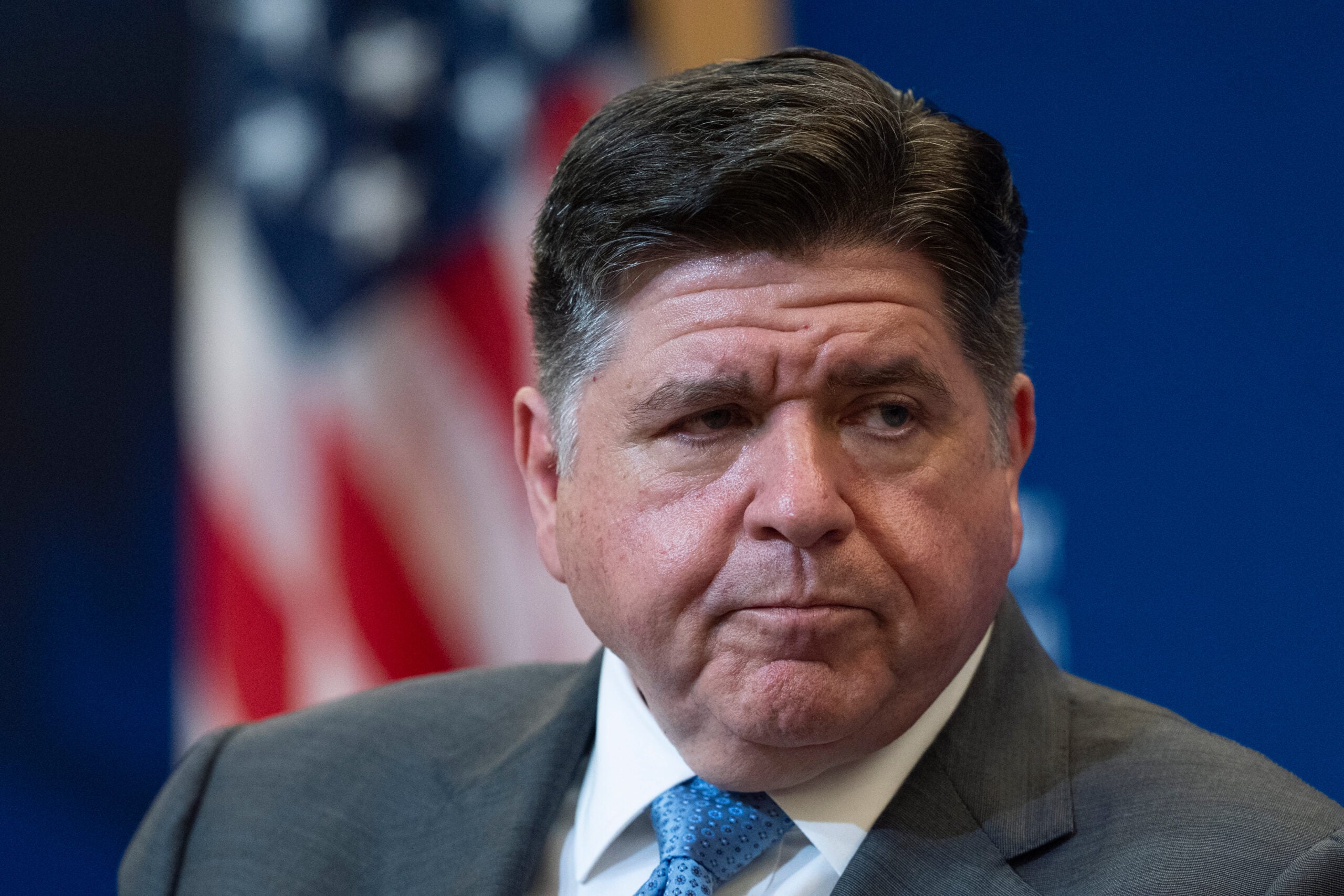
Illinois Governor JB Pritzker said the episode represented “the greed and lack of accountability that the country just rejected”. Pennsylvania Governor Josh Shapiro described it as evidence of “a rigged system that protects those at the very top”.
“The sheer corruption and weakness of Donald Trump is hurting America and putting our economy and national security at risk,” Mr Shapiro said.
The criticism comes as Democrats seek to repeat a message they say resonated with voters in the midterm elections: that high prices and economic pressures were being worsened by an administration that protected powerful allies.
Democrats target Nvidia reinstatement as corruption issue
Former Chicago mayor Rahm Emanuel, who is among those considering a Democratic presidential bid in 2028, questioned whether the rule of law was being applied equally.
“The number one rule is that the rule of law will hold the banker, the billionaire, and the baker to the same standard,” Mr Emanuel said. He questioned the value of capitalism when a president pressed a public company’s board to reverse its own governance decision.
Maryland Governor Wes Moore, another potential Democratic contender, said the episode reflected “rules for me, but not for thee”. He argued that wealthy, powerful and well-connected people were being treated differently from ordinary Americans.
The Democratic response places the prospective candidates at odds with prominent Silicon Valley figures, including Elon Musk, who had called for Mr Huang to be reinstated.
Trump’s relationship with Mr Huang has faced scrutiny since reports of the affairs emerged. The pair spoke frequently, and Trump once called Mr Huang directly while appearing on stage at a technology conference. Reports have also said that Trump and senior administration officials knew about the relationship with a woman believed to be a Chinese spy but chose not to act.
Critics from both parties have also pointed to Nvidia’s 25 million dollar donation to a White House ballroom project under Mr Huang’s leadership as an example of alleged corruption.
Chris Christie, the former Republican governor of New Jersey who is considering another presidential bid, said the matter showed how corruption and incompetence could overlap. “So when something came up that was serious, what happened? Trump walked away from it and wouldn’t deal with it,” he said.
The White House said Nvidia’s decision would preserve America’s technological advantage over China, strengthen national security and ensure that the future of the sector continued to be built in the United States.
Democrats and several Republicans in Congress are seeking greater transparency over how Nvidia’s chips reached China and further details about Mr Huang’s relationship with the suspected spy.
Maryland Senator Chris Van Hollen, who is seeking to lead Senate Democrats but has ruled out a presidential run, called the reinstatement “Exhibit A” of what he described as corruption at the heart of the administration’s technology and artificial intelligence policy.
Mr Van Hollen also said that Trump owned Nvidia stock and that Mr Huang had contributed to the presidential inauguration and attended a million-dollar dinner at Mar-a-Lago. He claimed that Mr Huang had effectively been running the administration’s artificial intelligence and big tech policy.
Democratic groups used similar arguments during the midterms, linking corruption allegations involving the White House to issues including energy and grocery prices, the Epstein files, data centres and stock trading. Polling cited in the campaign period found that most Americans, including Democrats and Republicans, believed corruption was increasing their costs, while a September Gallup poll found that about 90 per cent believed corruption was widespread in government.
