


Health professionals are calling for stronger safeguards as the use of unapproved peptides grows in Australia, with a national inquiry announced by Health Minister Mark Butler amid concerns the response may have come too late.
The inquiry will examine how peptides that require a prescription when they have not been approved by authorities such as the Therapeutic Goods Administration (TGA) are being sold and supplied in Australia.
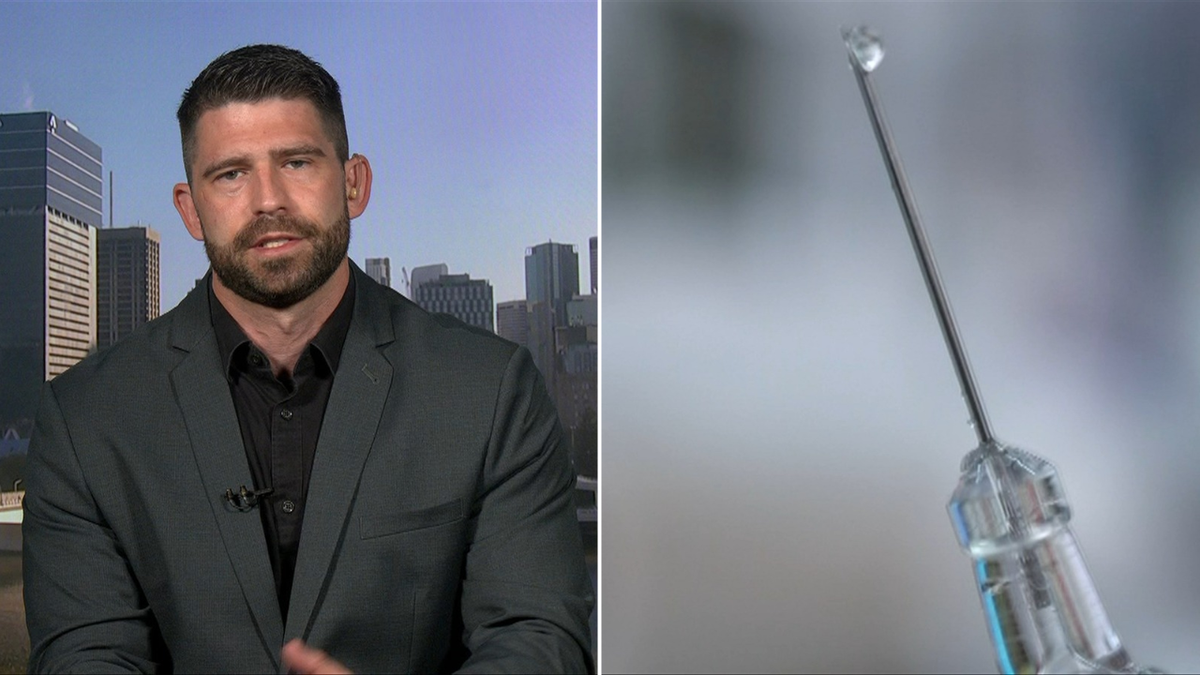
Tim Pienkowski, a peptide researcher at the University of Queensland, said the issue should have been addressed earlier but welcomed the inquiry. He said he hoped his two years of research would help inform measures to protect consumers.
“I think we should have been on top of this a little while ago,” he said.
Mr Butler said peptides were frequently promoted on social media as “wonder-drugs”, despite the potential risks involved.
“I am extremely concerned about escalating reports by the TGA of unapproved peptides being prescribed and delivered via telehealth and one-stop-shop style dispensaries,” he said.
Concerns over unregulated online sales
Mr Pienkowski distinguished unapproved peptides from approved and regulated medicines such as Ozempic. He said substances including CJC1295 and ipamorelin were growth hormone secretagogues, which prompt the body to release more human growth hormone.
He said those peptides had been linked to the death of Australian actor Richard Norton, although the material presented the connection as an allegation.
Australians can still receive a prescription for an unapproved peptide, but Mr Pienkowski said the more serious concern was the purchase of such products online without a prescription.
“The other way and the more concerning way for me is when you go online and you find these websites for Chinese vendors that will send you these unapproved peptides without a prescription and through an unregulated pathway,” he said.
Research carried out at the University of Queensland found substantial variation in the contents and purity of the products, he said, including the presence of other substances such as heavy metals.
The inquiry will now consider how unapproved peptides are being marketed and supplied, as well as the effect their use is having on Australians’ health.
