


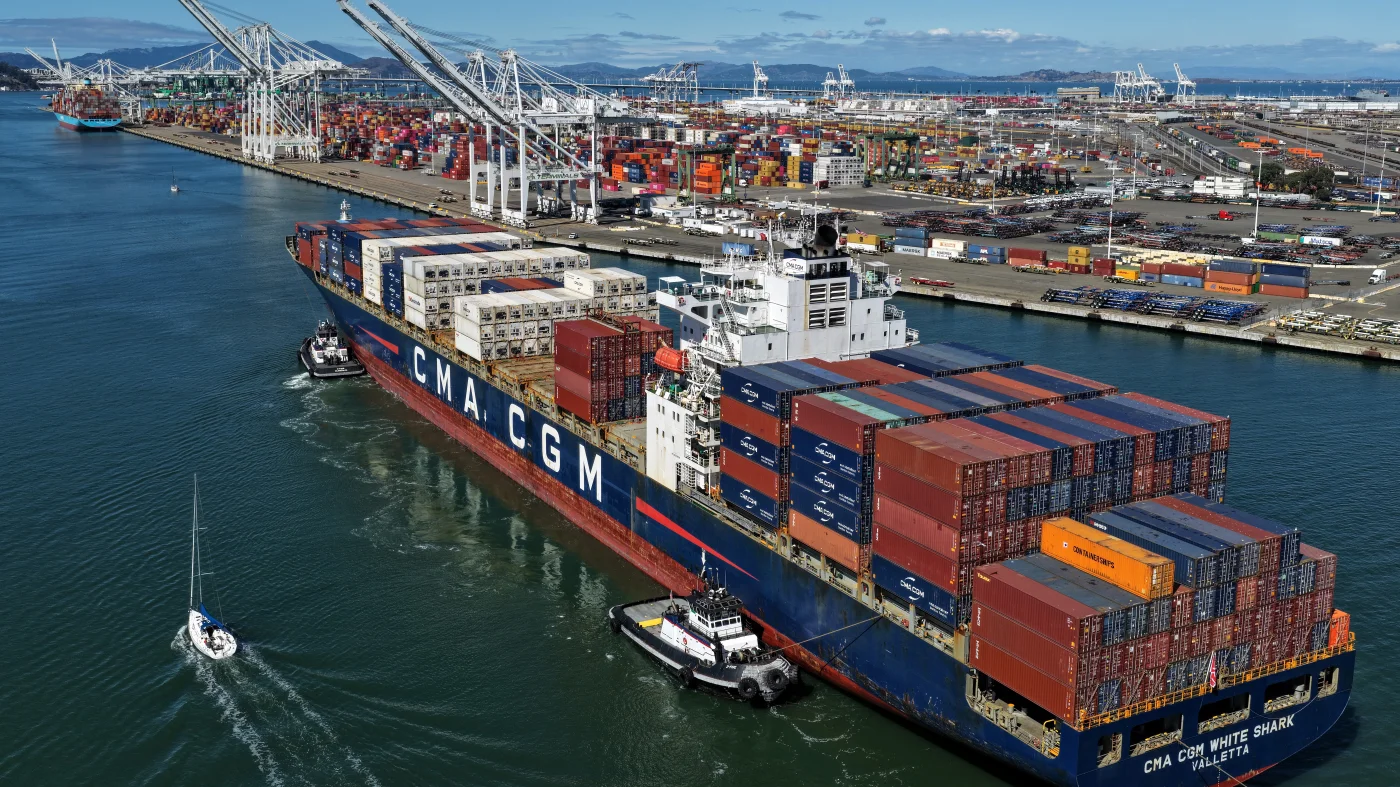
Up to 50 commercial shipping vessels may have been compromised in cyberattacks suspected by US officials of being linked to Iran, raising concerns about the security of ships carrying cargo to American ports.
The breaches are being investigated by the US government, according to a US official familiar with the matter, a former military cyber operator and an industry executive briefed on the attacks. There have been no reports of operational disruption, vessel instability, danger to crews or environmental damage.
The suspected campaign is being examined against the backdrop of an ongoing war between the United States and Iran. It follows other cyber incidents that US officials and security experts believe were linked to Iranian hackers, including attacks on water-treatment systems and refrigeration equipment.
In August, the US Coast Guard and FBI sent a “highly specialised team” to board two foreign commercial vessels travelling to US ports in the Gulf of America. The agencies said the ships’ captains, crews and shore-based companies helped ensure the threats were contained.
Officials believe many more vessels in international waters may have been compromised, while others could be exposed to similar attacks. The suspected breaches have highlighted the growing risks posed by ships’ reliance on internet-connected systems.
Cyberattacks on commercial shipping vessels
The attackers are believed to have exploited known vulnerabilities in Fortinet FortiGate devices, which are widely used in the maritime industry to manage firewalls and virtual private networks.
A Coast Guard and FBI bulletin issued in September warned that attackers were scanning for unpatched weaknesses in the devices to gain access. In some cases, crew members reportedly noticed problems with email or were unable to access their accounts. At least one vessel experienced a prolonged communications blackout.
Investigators believe hackers may then have moved from the ships’ information-technology networks into operational-technology systems, which control physical processes on board.
Those systems could potentially affect propulsion, steering, navigation and cargo management, although officials did not provide examples of such interference. One of the vessels was an LNG tanker, where maintaining the correct temperature is important when transporting potentially explosive materials such as fuel or chemicals.
The Coast Guard said modern ships were highly integrated and that a successful cyberattack could create risks including collision, grounding, an oil spill or an explosion. It said it regularly issued warnings about vulnerabilities and measures owners and operators could take to protect their networks.
A former Navy official said security agencies had been monitoring the possibility of attackers taking control of operational systems on naval and merchant ships for years. The US official familiar with the investigation described the suspected attacks as relying on a known vulnerability that could have been addressed through basic cyber-security measures.
US authorities are preparing to investigate vessels entering American ports during the winter and the busy holiday shipping period, when disruption to maritime transport could affect the movement of goods.
