


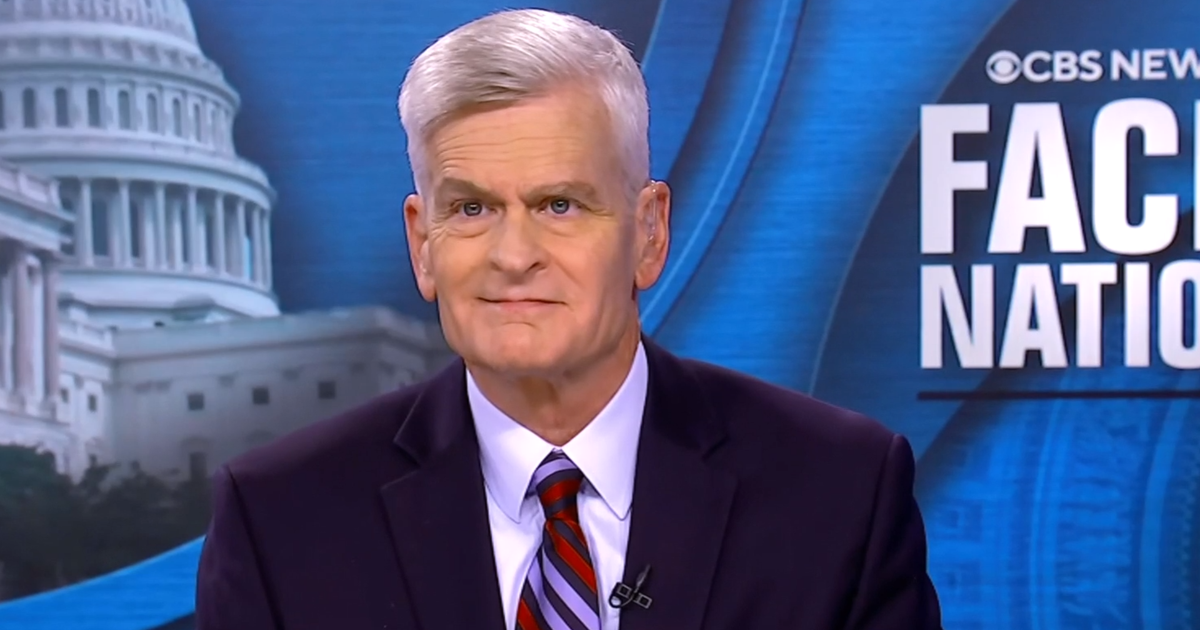
Republican Senator Bill Cassidy has said Donald Trump should replace Robert F Kennedy Jr as US health secretary, accusing him of failing to address rising healthcare costs, ultra-processed food and a worsening measles outbreak.
Mr Cassidy, a doctor and chairman of the Senate Committee on Health, Education, Labor and Pensions, said the US had lost its measles elimination status and that infants were dying from the disease.
“If I were president, I would choose someone else,” he said in an interview, arguing that the health secretary should be held accountable for “higher healthcare costs, more measles deaths, losing elimination status, and no progress on processed foods”.
Measles risk to infants and vulnerable people
Mr Cassidy said unvaccinated people could expose babies who were too young to receive the measles vaccine, as well as pregnant women and people undergoing cancer treatment.
“You may decide not to be vaccinated because it’s your free will, but the child who’s too young to be vaccinated is vulnerable if you come into that child’s presence,” he said.
He called for a much stronger public health campaign, saying the message that people could transmit disease to vulnerable children should be “pounded, pounded, pounded”.
Mr Cassidy said he was in regular contact with the director of the Centers for Disease Control and Prevention, Dr Schwartz. He cited a broken online tool for finding flu vaccination locations as one of the issues requiring attention, saying it had been malfunctioning for a year.
He said there could be a public hearing on the response to the measles outbreak in the coming weeks, although only about four weeks remained in the relevant period.
Senator questions FDA nomination
The senator also refused to say whether he would support Dr Heidi Overton, Mr Trump’s nominee to become commissioner of the Food and Drug Administration.
Mr Cassidy said he had spent the week speaking to Dr Overton, Republican senators and advisers, but still had questions about her nomination. He said the committee’s decision would be known on Wednesday.
He acknowledged the argument for approving a permanent commissioner, even if the candidate was not considered perfect, rather than relying on a succession of temporary administrators who might be more heavily influenced by the health secretary.
“I’ve heard from a lot of people who are significant, who think deeply about the FDA, who have said it’s better to have a steady hand,” he said. “I’ve heard from others that have a different opinion.”
Mr Kennedy has said the Senate would have no leverage over him after Democrats take control, a position Mr Cassidy dismissed as an attempt to deflect responsibility for failures at the Department of Health and Human Services.
He said the midterm elections had shown that voters wanted a change, particularly in healthcare, and warned that the issue could affect the president’s legacy.
Dispute over Social Security plan
Mr Cassidy also accused Senator Ron Wyden, the ranking Democrat on the Senate Finance Committee, of refusing to co-operate on legislation intended to shore up Social Security.
He said Republican leaders and the president had committed to holding a hearing and committee vote on a Social Security bill, which could be his proposal or another senator’s. The measure would borrow 1.5 trillion dollars for an investment fund separate from the Social Security trust fund, with the aim of helping cover up to 70% of future liabilities.
Mr Cassidy said there was bipartisan support for taking action, but claimed Mr Wyden opposed his plan because it involved investing tax money in the stock market. Mr Wyden had instead refused to be “constructive”, he alleged.
With only 20 working days remaining before the end of the year, Mr Cassidy said Congress also faced defence and government funding decisions, including the possibility of a shutdown.
