


Restaurant chains are turning to improved food quality and taste to win back diners, as customers eat out less often and become more selective about where they spend their money.
Executives have spent the past two years stressing “value”, often using the term to mean more than lower prices. Now, companies including Wendy’s, Burger King, Chipotle Mexican Grill, McDonald’s and Chili’s are putting greater emphasis on recipes, ingredients and consistency.
Promotions can provide a short-term lift in customer numbers, but restaurant bosses are increasingly relying on stronger core menus to support longer-term sales and franchisee profits.
Food quality becomes central to turnaround plans
For Wendy’s, better food is one of five elements in a turnaround strategy announced after the chain recorded its seventh consecutive quarter of declining same-store sales.
Chief executive Bob Wright said the company was testing “thicker, crispier bacon, a richer and creamier Frosty, whole leaf lettuce on sandwiches and improved salads”. The chain has also begun rebuilding its wider food offering, with a focus on quality and the appeal of its core products.
Wendy’s rejected a 1.4 billion dollar takeover proposal led by Nelson Peltz’s Trian Partners on the same day, arguing that the offer did not reflect the potential value of its turnaround plan.
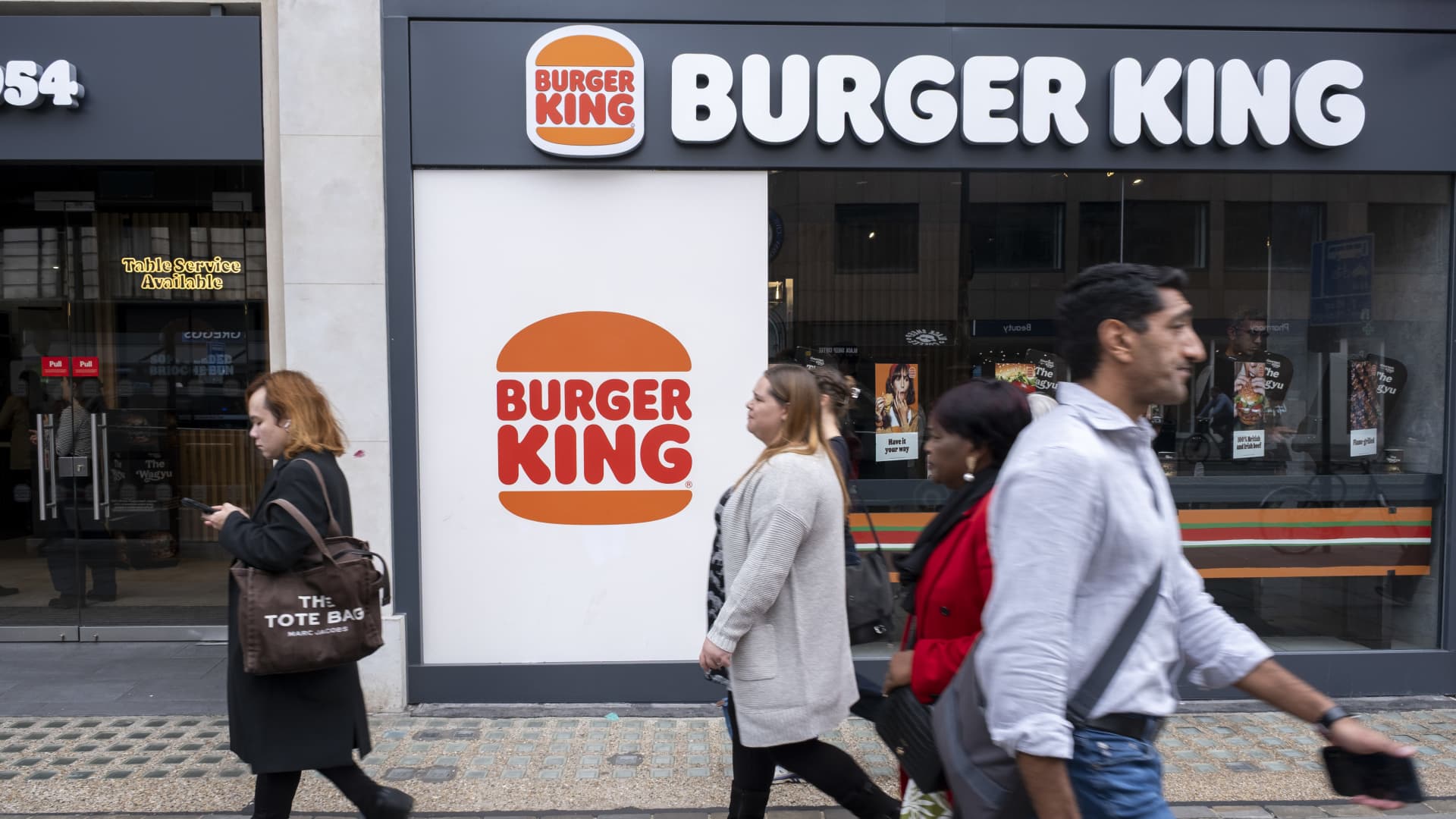
Burger King is following a similar path in the US. Its multi-year recovery effort has included a revised Whopper, featuring a different bun and mayonnaise, as well as new nuggets made with 100% white meat, crispier coating and a more strongly flavoured marinade.
“We’ve tried to look at our biggest categories first,” said Josh Kobza, chief executive of Burger King’s parent company Restaurant Brands International. He said the business had also prioritised changes that were relatively straightforward to implement.
Whopper sales rose by a double-digit percentage in the third quarter, while nugget sales increased by more than 35%, according to Kobza. Burger King said its US same-store sales climbed 8.4% during the period.
The chain has used advertising featuring complaints about its former Whoppers and nuggets, with Burger King US president Tom Curtis, a former Domino’s executive, appearing in the campaigns.
The approach echoes Domino’s recipe overhaul in 2009, when the company changed its sauce, altered its crust and switched to shredded mozzarella with some provolone. US same-store sales rose 9.9% the following year after the changes and a blunt advertising campaign.
Established performers also refresh their menus
Menu improvements are not limited to struggling businesses. Chili’s has reported a 52% rise in same-store sales over the past three years, but is still updating more of its existing range.
After changes to its ribs, burgers and nachos, the chain plans to focus on salads and steaks. Kevin Hochman, chief executive of parent company Brinker International, said more beef would be dry-aged to make it more tender, despite the additional cost.
Applebee’s has introduced a juicier chicken tender, while its parent company, Dine Brands, plans to overhaul more of the chain’s protein products in 2027.
“We think proteins are, number one, our biggest opportunity,” said Dine Brands chief executive John Peyton. He said customers were increasingly focusing on protein while eating fewer carbohydrates.
McDonald’s is also testing hand-breaded chicken wings, strips and a sandwich at a small number of restaurants in the Chicago area. The trial is due to expand to more US locations and to Ireland in early 2027.
The company is working to improve its coffee with fresher beans and upgraded equipment, while also introducing a multi-year training programme aimed at corporate employees, restaurant staff and franchisees.
McDonald’s US same-store sales fell 0.2% in the third quarter after its value strategy failed to gain the traction it had hoped for. The company’s menu trials and staff training reflect the growing focus on ensuring that recipe changes are delivered consistently in restaurants.
